
WhatsApp SIM Rule: No SIM, No Access Post March 1st
Starting March 1st, WhatsApp, Telegram, and Signal will require a SIM card to function due to a new 'SIM-binding' rule. Learn what this means for users.
 frame and share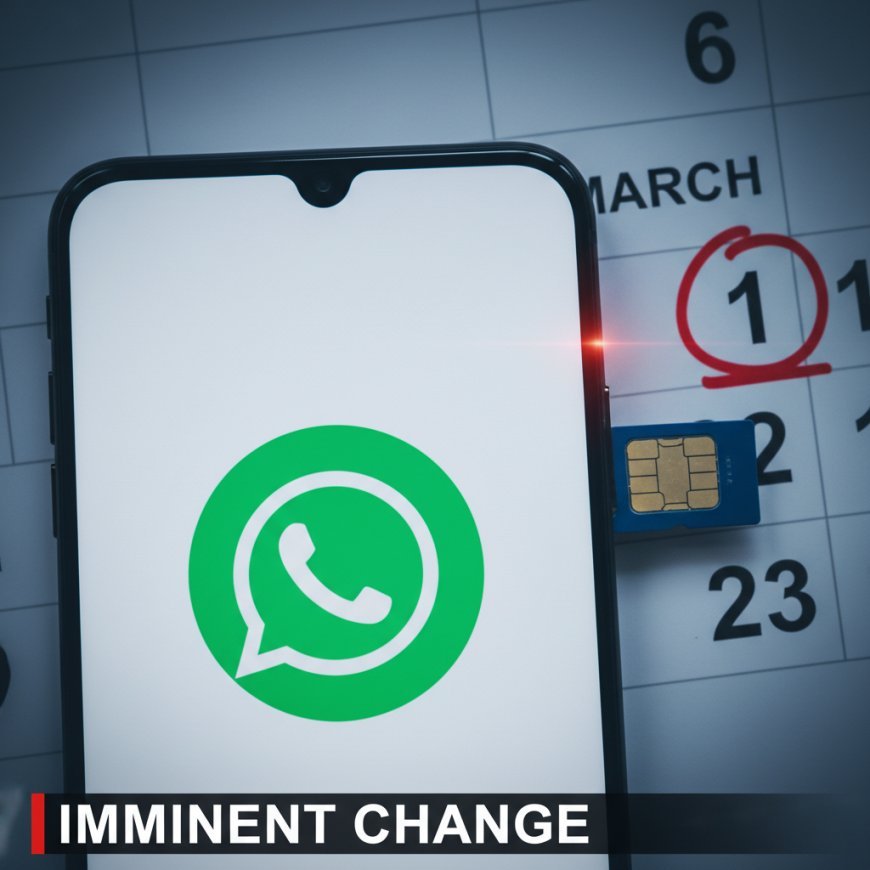


A significant change is coming to how millions use their favorite messaging apps, particularly WhatsApp, Telegram, and Signal. Starting March 1st, these popular communication platforms will cease to function on devices that do not have an active SIM card installed. This new mandate is part of the implementation of the 'SIM-binding' rule, poised to reshape the digital communication landscape.
Major Shift for Messaging App Users
The directive, effective from the beginning of March, makes it mandatory for mobile users to have a physical SIM card present in their device to operate apps like WhatsApp, Telegram, and Signal. Until now, users could often access these services on secondary devices, tablets, or even phones without an active SIM, provided they had an internet connection and the initial verification was done with a SIM-enabled device. This flexibility is now set to end.


What is SIM-Binding?
'SIM-binding' essentially links the functionality of an application directly to the presence of an active SIM card within the mobile device. This means the app will verify not just your phone number but also the physical presence and activity of the SIM card associated with that number in the device you are using. If the SIM card is removed or inactive, the messaging app will stop working.
Impact on Daily Communication
For a vast majority of users who consistently use their primary SIM-enabled smartphone for messaging, the immediate impact might seem minimal. However, this rule will significantly affect individuals who:
- Use Wi-Fi-only tablets or secondary phones without a SIM card for messaging.
- Temporarily remove their SIM card (e.g., while traveling internationally and using an eSIM or local Wi-Fi only).
- Share a device within a household where the primary user's SIM is removed.
The apps specifically mentioned in the context – WhatsApp, Telegram, and Signal – are widely used, and this change could lead to a sudden disruption for those not prepared.
The Rationale Behind the Rule (Inferred)
While the direct reasoning for the 'SIM-binding' rule wasn't explicitly provided in the context, such measures are typically implemented to enhance security and combat fraud. By tightly linking app functionality to a physical SIM card, authorities and service providers aim to:
- Prevent Misuse: Make it harder for malicious actors to use anonymous or temporary numbers for spam, scams, or illegal activities.
- Enhance Verification: Add an additional layer of identity verification beyond just OTPs sent to a number.
- Improve Accountability: Ensure that every active messaging service account is tied to a verifiable physical SIM, making users more accountable for their digital actions.
What Users Need to Do
To avoid any disruption in service from March 1st, users of WhatsApp, Telegram, and Signal should ensure that their primary device always has an active SIM card inserted. Those who rely on these apps on secondary, SIM-less devices will need to adjust their usage habits or acquire SIM-enabled devices for continued access.
This rule marks a pivotal moment in how mobile messaging services operate, prioritizing security and authentication through physical SIM presence. Users are advised to take note of this impending change to ensure uninterrupted communication.