Leadership by Example: Can Empathy Save the World?
Exploring the devastating legacy of world wars, the waning influence of the UN, and the urgent need for cooperative leadership to prevent future conflicts.
 frame and share


World War remains one of the most catastrophic events in human history, leaving a legacy of immense suffering and generational trauma. While some historians point to technological advancements in medicine and communication or the acceleration of social change as unintended outcomes of wartime research, these benefits can never justify the staggering human cost. Today, as geopolitical tensions rise, the global community is revisiting the frameworks designed to prevent such tragedies.
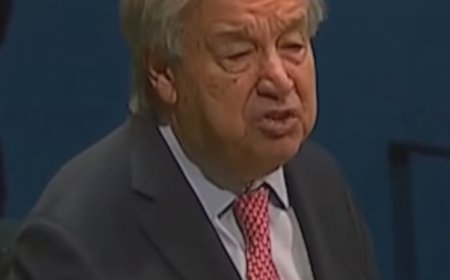
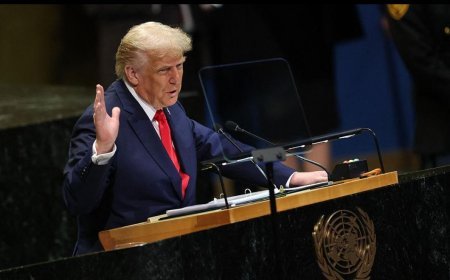
The United Nations (UN), once the cornerstone of international peace and security, is facing a period of waning influence. Experts argue that geopolitical interests and economic dependencies often lead to watered-down statements and inaction during crises. This has prompted calls for significant UN reform, including the expansion of the Security Council and the empowerment of regional organizations like the EU and ASEAN to take more decisive roles in conflict resolution.
A shift toward cooperative leadership is being hailed as the necessary evolution for 21st-century diplomacy. This model prioritizes inclusive decision-making and mutual respect over military might. Leaders with humanitarian backgrounds, such as Nelson Mandela and Jimmy Carter, serve as historical templates for an empathetic approach that bridges divides. By focusing on resource sharing and collaborative problem-solving, nations can address the root causes of conflict, such as poverty and climate change, rather than merely managing the symptoms of war.
Furthermore, the role of the individual has never been more vital. From climate strikes to global solidarity movements, grassroots activism is proving that small voices can create ripples of change. By advocating for systemic reformssuch as stricter checks and balances and term limits and fostering dialogue within their own communities, citizens can push their leaders toward a mindset that prioritizes global well-being over narrow national interests.