10 Lesser-Known India UNESCO World Heritage Sites for 2026
Explore India’s hidden treasures in 2026. From Assam’s royal Moidams to Maratha forts, discover 10 lesser-known UNESCO World Heritage Sites beyond the Taj Mahal.
 frame and share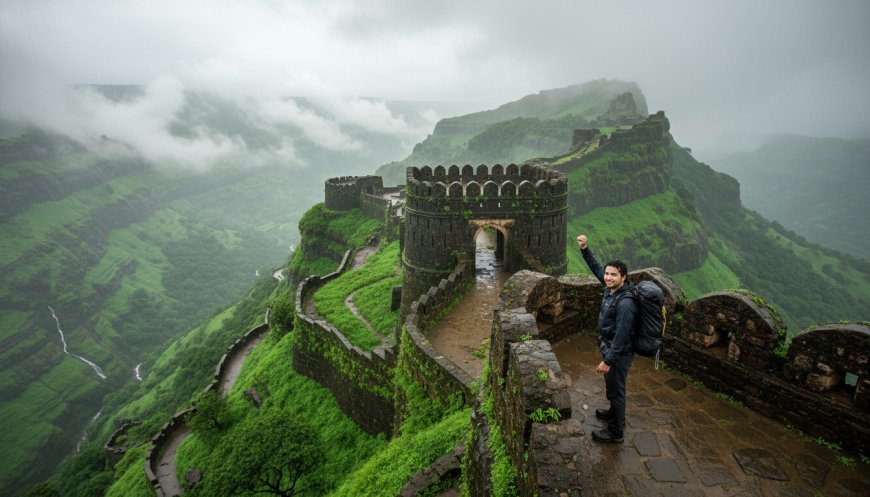


India’s UNESCO World Heritage Sites are often reduced to a familiar checklist. Yet beyond the famous mausoleums and monumental temples exists a quieter, richer layer of history shaped by forgotten dynasties, sacred landscapes, and military ingenuity. These ten sites are not just destinations; they are immersive experiences where architecture, belief systems, and geography intertwine, making them ideal for travellers seeking depth rather than crowds in 2026.
1. Moidams: The Mound Burial System, Assam
Hidden amid the quiet countryside of Upper Assam, the Moidams are royal burial mounds built by the Ahom dynasty. Often likened to the pyramids of Egypt, these earthen structures were designed according to Tai Ahom cosmology, with chambers containing royal belongings meant for the afterlife. This site is a rare surviving example of indigenous funerary architecture in South Asia.


- How to reach: Located at Charaideo; the nearest airport is Jorhat.
2. Champaner-Pavagadh Archaeological Park, Gujarat
This site feels like a city paused mid-sentence. Once the capital of Gujarat under Sultan Mahmud Begada, it features a layered landscape of palaces, mosques, and stepwells. The architectural richness lies in its seamless blending of Hindu and Islamic styles, reflecting a living medieval city that once thrived with trade and faith.


- How to reach: Accessible via Vadodara railway station or airport.
3. Rock Shelters of Bhimbetka, Madhya Pradesh
Bhimbetka is a record of humanity’s earliest conversations with art. Spread across the Vindhya hills, these rock shelters contain paintings spanning from the Palaeolithic period to medieval times. It is one of the oldest continuously inhabited places on Earth, showcasing the intimacy of prehistoric survival and community.
- How to reach: 45 kilometres from Bhopal, easily accessible by road.
4. Pattadakal Group of Monuments, Karnataka
Pattadakal served as a ceremonial centre where Chalukya kings were crowned. What makes this site exceptional is its experimental nature; here, northern (Nagara) and southern (Dravida) architectural styles coexist. The temples are adorned with panels depicting episodes from the Ramayana and Mahabharata.
- How to reach: The nearest airport is Hubli; road connections from Badami are available.
5. Rani ki Vav, Gujarat
Rani ki Vav is a monument built underground, reaching downward through seven levels of intricately carved stone. Constructed in the 11th century as a memorial to a king, this stepwell was designed as an inverted temple, highlighting ancient India's profound respect for water as a sacred resource.
- How to reach: Located in Patan; Mehsana is the nearest railway station.
6. Sacred Ensembles of the Hoysalas, Karnataka
Built between the 11th and 13th centuries, temples at Belur, Halebidu, and Somanathapura are often described as stone poems. Carved into soapstone, the star-shaped platforms and fluid sculptures of dancers and warriors suggest a society deeply invested in aesthetics and storytelling.
- How to reach: Hassan town is well-connected by rail and road.
7. Maratha Military Landscapes
This ensemble includes 12 forts like Raigad, Shivneri, and Lohagad. These sites represent a sophisticated network of defense designed for mobility and survival. They demonstrate how Maratha rulers used the rugged topography of the Western Ghats as a strategic ally against invaders.
- How to reach: Pune and Mumbai serve as major access points.
8. Khangchendzonga National Park, Sikkim
Where natural grandeur and spiritual belief coexist, this park is dominated by the mighty Khangchendzonga peak. For local communities, the mountains are living deities. It is a biodiversity treasure sheltering rare species adapted to extreme altitudes.
- How to reach: Bagdogra airport, followed by road travel to Gangtok. Permits are required.
9. Great Himalayan National Park, Himachal Pradesh
Tucked away in the Western Himalayas, this remains one of India’s least disturbed natural landscapes. It protects ecosystems that have evolved with minimal human interference, offering a sanctuary for travellers seeking solitude and raw nature.
- How to reach: Located in Kullu district; Bhuntar airport is the nearest air link.
10. Buddhist Monuments at Sanchi, Madhya Pradesh
The Great Stupa at Sanchi, commissioned by Emperor Ashoka, is one of the earliest stone structures in India. Its carved gateways narrate the life of the Buddha and the spread of Buddhist philosophy, reflecting a time when Buddhism flourished at the heart of the subcontinent.
- How to reach: 40 kilometres from Bhopal; accessible by road and rail.
Frequently Asked Questions
What are lesser-known UNESCO sites? These are recognized landmarks that receive fewer visitors than popular spots like the Taj Mahal, offering a more quiet, immersive experience. Why visit in 2026? They offer a chance to explore deep history without the crowds, making for responsible and thoughtful travel. Are permits required? Most cultural sites are open, but natural sites like Himalayan parks often require permits.