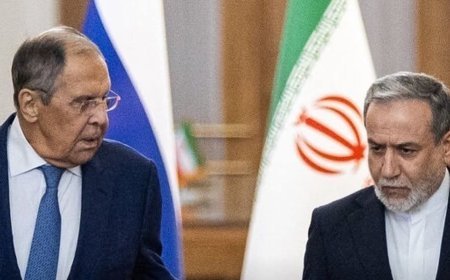
Germany Admits Europe's BRICS Blunder Estranged India
A senior German official confessed that Europe made a strategic mistake by viewing India solely through the BRICS lens, which created unnecessary distance between the two regions.
 frame and share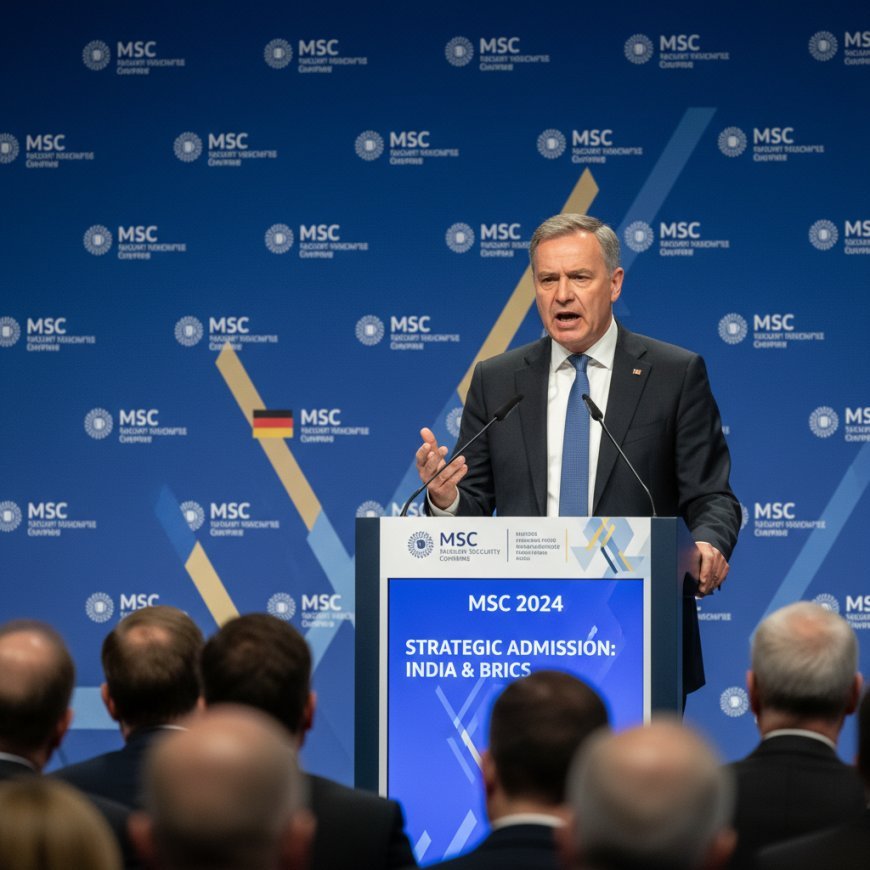


BERLIN - In a moment of unusual diplomatic candor, Germany has publicly admitted that Europe’s foreign policy framework regarding India suffered from a major strategic oversight, confessing that viewing New Delhi primarily through the lens of the BRICS framework created an unnecessary and damaging distance between the two regions.
The admission came from Johann Wadephul, Deputy Chairman of the CDU/CSU Parliamentary Group, who addressed the issue during a session at the prestigious Munich Security Conference (MSC).


The Strategic Error of BRICS Categorization
Wadephul stated that Europe needs to adjust its perspective on key global players, emphasizing that India should not be judged merely as a geopolitical component of a bloc that includes both Russia and China. He specifically accepted that Europe had made a strategic miscalculation by viewing nations like India and Brazil through the restrictive prism of their BRICS membership.


“We should not view India simply through the perspective that it is part of BRICS with China and Russia,” Wadephul stated, acknowledging the validity of India’s independent foreign policy.
The German lawmaker conceded that this narrow focus grouping India primarily with Beijing and Moscow had prevented deeper engagement and fostered a significant strategic distance between the European Union and India.
Reversing the Policy Distance
This public mea culpa signals a crucial shift in how major European powers intend to engage with India. For years, European foreign policy circles debated India’s alignment, often expressing reservations based on New Delhi's close defense ties with Russia and its participation in multilateral frameworks like BRICS and the Shanghai Cooperation Organisation (SCO).
Wadephul’s clarification serves as an official acknowledgment that geopolitical complexity demands a nuanced approach, confirming that India must be treated as an autonomous strategic partner based on bilateral relations, rather than defined by its association with broader, sometimes antagonistic, groupings.
The correction is timely, given the increasing geopolitical importance of the Indo Pacific region and the global necessity of aligning with democratic powers like India to counter authoritarian expansionism. Germany and the wider EU are now keen to accelerate trade agreements and strengthen security cooperation with India, shedding the previous reservations caused by the 'BRICS lens' and fostering a partnership based on shared democratic values and economic interests.