US: Iran Operation Nearing Goals, Eyes Future Leadership
The White House confirms US military operations in Iran, 'Operation Epic Fury,' are rapidly meeting objectives, devastating naval forces and missile threats, while intelligence agencies consider Iran's post-conflict leadership.
 frame and share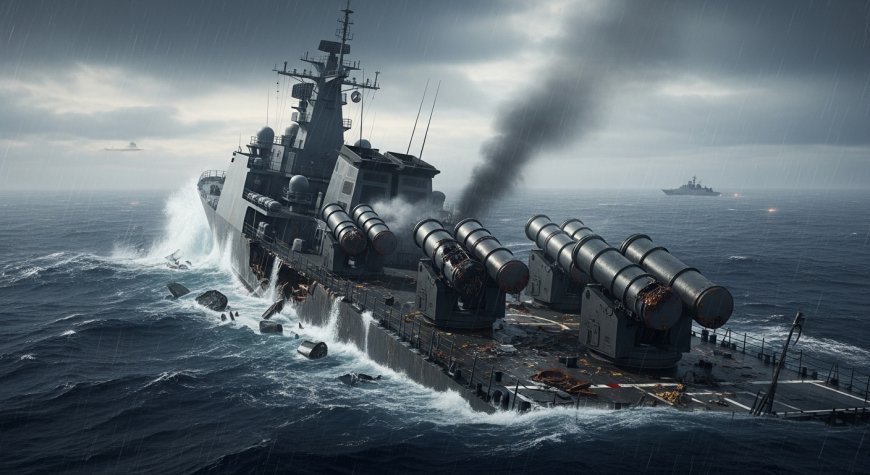


Washington, D.C. – The White House announced today that U.S. military operations against Iran, dubbed "Operation Epic Fury," are rapidly achieving their objectives, with President Donald Trump simultaneously pushing to expand American weapons production and considering the future political landscape of Iran.
Press Secretary Karoline Leavitt told reporters that the ongoing campaign is progressing quickly and could meet its goals within weeks. "What I will tell you is what President Trump has already laid out, which is that the achievable objectives of Operation Epic Fury expect to last about four to six weeks, and we are well on our way to achieving those objectives," Leavitt stated.


Leavitt highlighted significant damage inflicted on Iran's military capabilities, particularly its naval forces. "Annihilating Iran's Navy, we know that we sunk more than 30 Iranian vessels and ships. Their Navy has now been deemed combat ineffective," she declared.


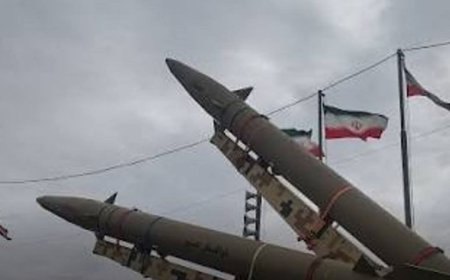
According to the White House, a primary aim of the operation is also to eliminate the ballistic missile threat Iran posed to U.S. troops and bases in the region. "Taking out the ballistic missile threat that Iran posed to the United States and our troops and bases in the region. We have done a tremendous job," Leavitt affirmed, adding that retaliatory ballistic missile strikes from Iran are "down 90 percent" just six days into the operation.
The press secretary also noted a minimal response from Iranian-backed proxy groups. "We've seen Hezbollah and the Houthis hardly putting up a fight over the course of the last six days," she said.
Leavitt stressed that the broader objective of Operation Epic Fury is to remove the persistent threat Iran poses to the United States and its allies. She clarified President Trump's remarks about Iran's "unconditional surrender," explaining it refers to a point when Tehran no longer poses a threat and the operation's goals are fully realized. "When he, as commander in chief of the U.S. Armed Forces, determines that Iran no longer poses a threat to the United States of America and the goals of Operation Epic Fury have been fully realized, then Iran will essentially be in a place of unconditional surrender," she elaborated.
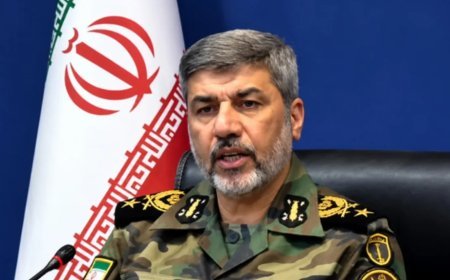
Leavitt further suggested that Iran's leadership structure has already been severely weakened, citing the elimination of "nearly more than 50 leaders of the former terrorist regime" by the United States and Israel.
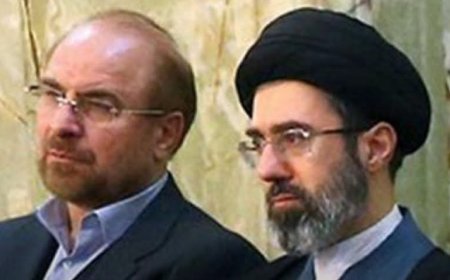
Regarding Iran's political future, Leavitt confirmed that U.S. intelligence agencies are actively evaluating possible leadership scenarios within the country, though she declined to provide further details.
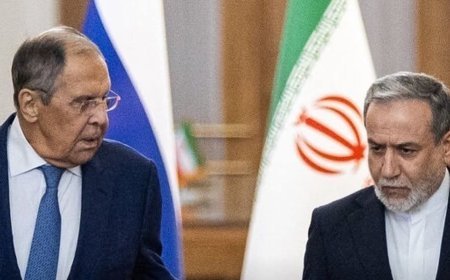
She also downplayed reports of potential Russian intelligence support to Iran, asserting that the battlefield situation clearly demonstrates the U.S. military remains firmly in control. "It clearly is not making a difference with respect to the military operations in Iran because we are completely decimating them," Leavitt remarked.
In a related development, Leavitt confirmed President Trump's scheduled meeting with defense contractors at the White House later today. This meeting aims to reinforce the administration's "aggressive and fierce support for rapidly increasing the ability of U.S. manufacturers to produce American-made weapons."