2026’s First Major Global Disaster: Over 200 Buried Alive in Congo Mine Collapse
A massive landslide at the rebel-held Rubaya coltan mine in DR Congo has killed over 200 people. Explore the details of the 2026 tragedy, the M23 rebel involvement, and the shockwaves sent through the global smartphone industry.
 frame and share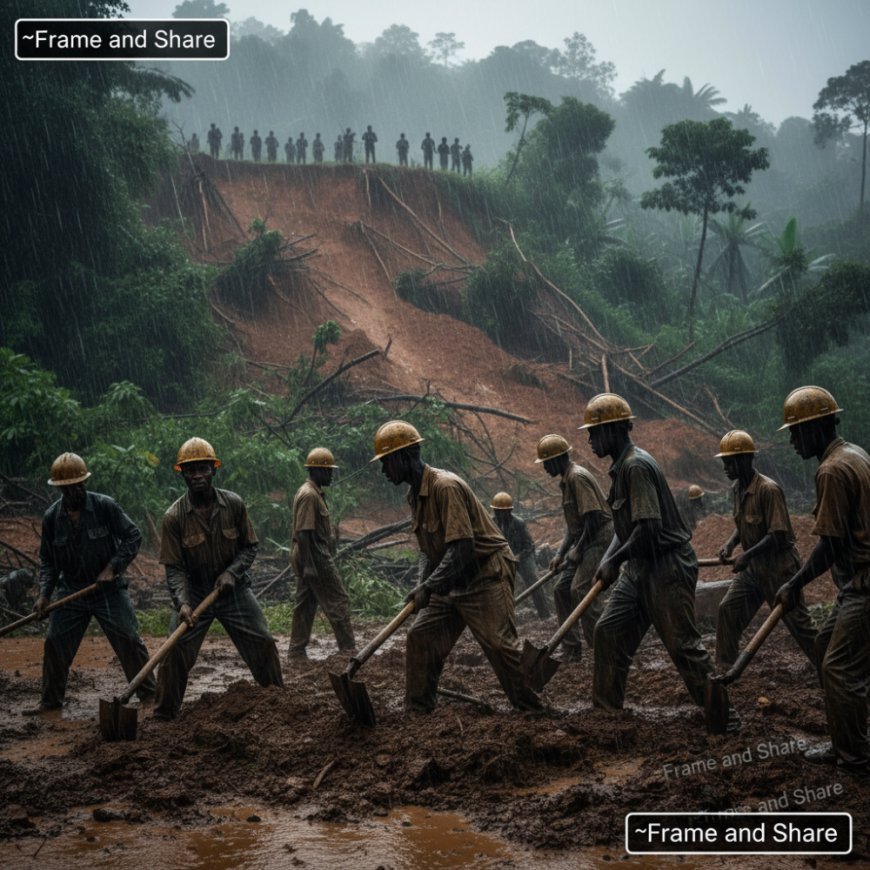


A Tragedy in the Heart of Darkness
As the world settled into the new year, the first major humanitarian disaster of 2026 struck the conflict-ridden hills of the eastern Democratic Republic of Congo (DRC). In a catastrophic event that has sent shockwaves through both the local community and the global technology sector, a massive landslide at the Rubaya coltan mine has claimed the lives of more than 200 people.
The disaster, which occurred following days of torrential rain, has turned the mineral-rich North Kivu province into a graveyard. The tragedy is compounded by the complex geopolitical web surrounding the site, which is currently under the control of the notorious M23 rebel group. As rescue efforts flounder in the mud, the incident has once again highlighted the deadly cost of the minerals that power our modern lives.


The Collapse: What Happened in Rubaya?
The disaster unfolded in two waves between Wednesday and Thursday (January 28-29, 2026). The Rubaya mine, a sprawling network of open pits and precarious tunnels, had been soaked by unseasonal heavy rains. According to eyewitnesses, the unstable soil on the hillside gave way without warning, triggering a deluge of mud and rock that swallowed everything in its path.


-
The Victims: The dead include not just artisanal miners, known locally as creuseurs, but also women and children who were at the site washing minerals or selling food to the workers.
-
The Toll: While official figures confirm over 200 deaths, local civil society groups fear the number could be much higher, as hundreds of unregistered workers were believed to be in the pits at the time.
-
Rescue Efforts: Rescue operations have been chaotic and largely ineffective. The remote location, combined with the heavy rebel presence and continuing rains, has made it impossible for heavy machinery to reach the site. Desperate families have been digging through the sludge with bare hands to recover the bodies of their loved ones.
The 'Blood Mineral' Connection: Why Rubaya Matters
While the loss of life is the primary tragedy, the location of the disaster gives it global significance. Rubaya is not just any mine; it is one of the world's most critical sources of Coltan (columbite-tantalite).
Coltan is the ore from which Tantalum is extracted—a heat-resistant metal that is absolutely essential for the manufacturing of capacitors used in smartphones, laptops, electric vehicles, and game consoles.
-
Global Supply: The Rubaya mines alone are estimated to produce approximately 15% of the world's tantalum supply.
-
The Tech Impact: This disruption raises immediate alarms for global tech giants (like Apple, Samsung, and Tesla) regarding supply chain stability. However, it also brings uncomfortable ethical questions to the forefront: Are our devices being funded by the deaths of Congolese miners?
The M23 Factor: Rebels and Resources
The tragedy is inextricably linked to the ongoing war in eastern Congo. Since April 2024, the Rubaya area has been under the occupation of the M23 (March 23 Movement), a Tutsi-led rebel group that the UN and Kinshasa allege is backed by neighboring Rwanda (a claim Rwanda denies).
-
Funding the War: Reports from the United Nations indicate that M23 has been using the Rubaya mine as a financial engine, generating an estimated $300,000 to $800,000 per month by taxing the production and transport of minerals.
-
Lack of Safety: Under rebel control, government oversight and safety regulations have completely collapsed. Miners are forced to work in perilous conditions to meet production quotas that fund the insurgency, turning the mines into death traps.
Global Fallout and the Path Ahead
The disaster in Rubaya is a grim reminder of the "resource curse" that plagues the DRC. While the ground beneath their feet holds trillions of dollars in wealth, the people living above it remain among the poorest and most vulnerable in the world.
For the international community, the 2026 Rubaya collapse forces a reckoning. Tech companies face renewed pressure to audit their supply chains and ensure their minerals are not "conflict stones" funding armed groups. Meanwhile, for the families in North Kivu, the grief is raw, as they mourn the loss of a generation buried under the mud in the pursuit of the metal that connects the world.