Captain Sumit Kapoor’s Shocking Past: Failed Alcohol Tests & a 3-Year Suspension Before the Tragic Crash
Exclusive report on Captain Sumit Kapoor, the pilot involved in the Ajit Pawar helicopter crash. Revealing his history of failed alcohol tests in 2010 and 2017, leading to a 3-year suspension. Was safety compromised?
 frame and share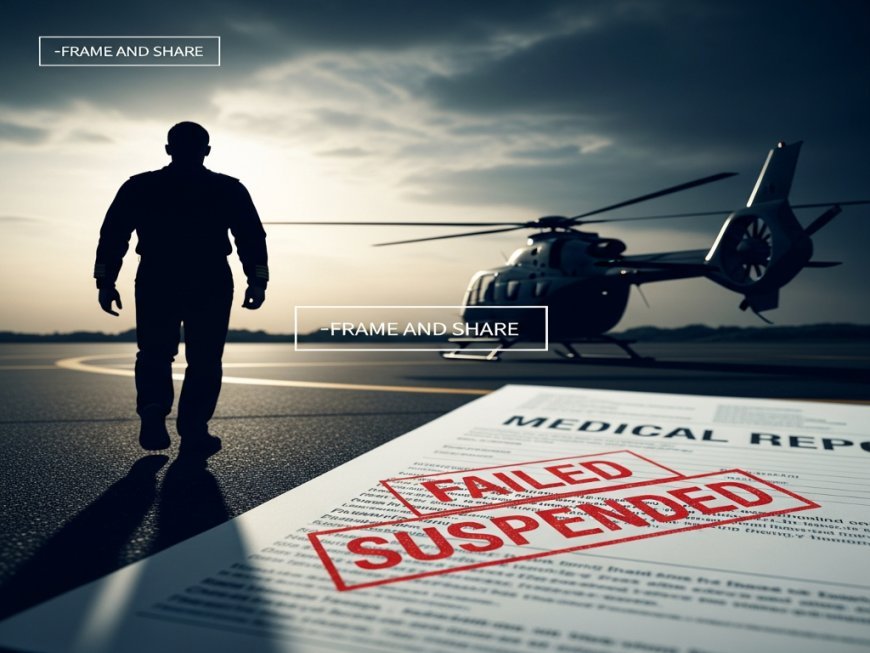


The recent helicopter crash involving Maharashtra’s Deputy Chief Minister, Ajit Pawar, has plunged the state into mourning. As investigations begin to unravel the cause of the disaster, shocking details have emerged regarding the pilot in command, Captain Sumit Kapoor. While the initial focus was on technical failure or weather conditions, new reports suggest a disturbing history of negligence that raises serious questions about VIP flight safety protocols in India.
According to a report by Maharashtra Desha, Captain Sumit Kapoor had a tainted track record, having failed mandatory pre-flight alcohol tests not once, but twice in his career. These revelations have sparked outrage, with citizens and experts asking how a pilot with such a history was entrusted with the life of one of the state's most prominent leaders.


The "Breath Analyzer" Failures: A History of Negligence
Aviation regulations in India are notoriously strict regarding the "bottle to throttle" rule. Pilots are required to undergo a Breath Analyzer (BA) test before every flight to ensure they are not under the influence of alcohol. For Captain Kapoor, this safety net seemingly caught him on two separate occasions, yet he managed to return to the cockpit.


First Incident: 2010 (Sahara Airlines)
The first red flag in Captain Kapoor's career appeared over a decade ago. In 2010, while flying for Sahara Airlines, Kapoor tested positive during a mandatory pre-flight alcohol test. At the time, it was treated as a severe lapse in judgment, a warning sign that should have marked him for closer scrutiny.
Second Incident: 2017 (IndiGo Airlines)
Despite the earlier warning, the pattern repeated itself seven years later. In 2017, while employed by IndiGo Airlines, Captain Kapoor failed the BA test for the second time. A repeat offense in the aviation industry is treated with extreme severity due to the catastrophic risks involved.
The 3-Year Suspension
Following the second violation in 2017, regulatory bodies took decisive action. Captain Sumit Kapoor was suspended from flying for a period of three years. A suspension of this magnitude is intended to be a career-defining punishment, ensuring that the pilot undergoes rehabilitation and strict recertification before ever touching flight controls again.
The burning question now facing investigators and the public is simple: How did a pilot with a 3-year suspension for alcohol violations clear the vetting process for high-profile VVIP transport?
Ignored Warnings: The ICAO Red Flags
The tragedy is further compounded by reports that international aviation bodies had already warned India about infrastructure safety. The International Civil Aviation Organization (ICAO) had previously issued "Red Flags" concerning runway safety in India, specifically recommending the extension of "Runway End Safety Areas" (RESA) for table-top airports and risky landing strips.
The report suggests a systemic failure where regulatory warnings were ignored. Was the crash a result of a difficult runway, or was it the inevitable outcome of human error compounded by a lack of strict oversight? The intersection of a pilot with a troubled past and ignored safety warnings has created a deadly perfect storm.
The Aftermath: Questions on Accountability
As the state mourns the loss of Ajit Pawar, the focus has shifted to accountability. The incident is no longer seen just as an unfortunate accident but potentially as a case of criminal negligence.
-
Vetting Failure: Who authorized the hiring of Captain Kapoor for VVIP duties despite his record?
-
Regulatory Oversight: Did the aviation regulator ensure he was fully rehabilitated after his 2017 suspension?
-
Systemic Apathy: Why were ICAO’s warnings regarding runway safety areas (RESA) not implemented in time?
The crash has robbed Maharashtra of a dynamic leader, described by many as a "hardworking tiger." While political leaders like Sharad Pawar have stepped in to quell rumors of foul play or sabotage, the facts surrounding the pilot's history paint a grim picture of procedural lapses.
The death of Ajit Pawar is a wake-up call for Indian aviation. The presence of a pilot with a history of failed alcohol tests in the cockpit of a state leader’s aircraft is a breach of trust that demands a thorough overhaul of pilot vetting procedures. As the investigation proceeds, one thing is clear: this was a catastrophe that seemingly had its roots planted years ago in overlooked errors and suspended licenses.