
Engineering Fathers: Imhotep & India's Visvesvaraya
Discover the multifaceted legacy of engineering's fathers, from ancient Egypt's Imhotep, architect of the Step Pyramid, to India's modern visionary Sir M. Visvesvaraya.
 frame and share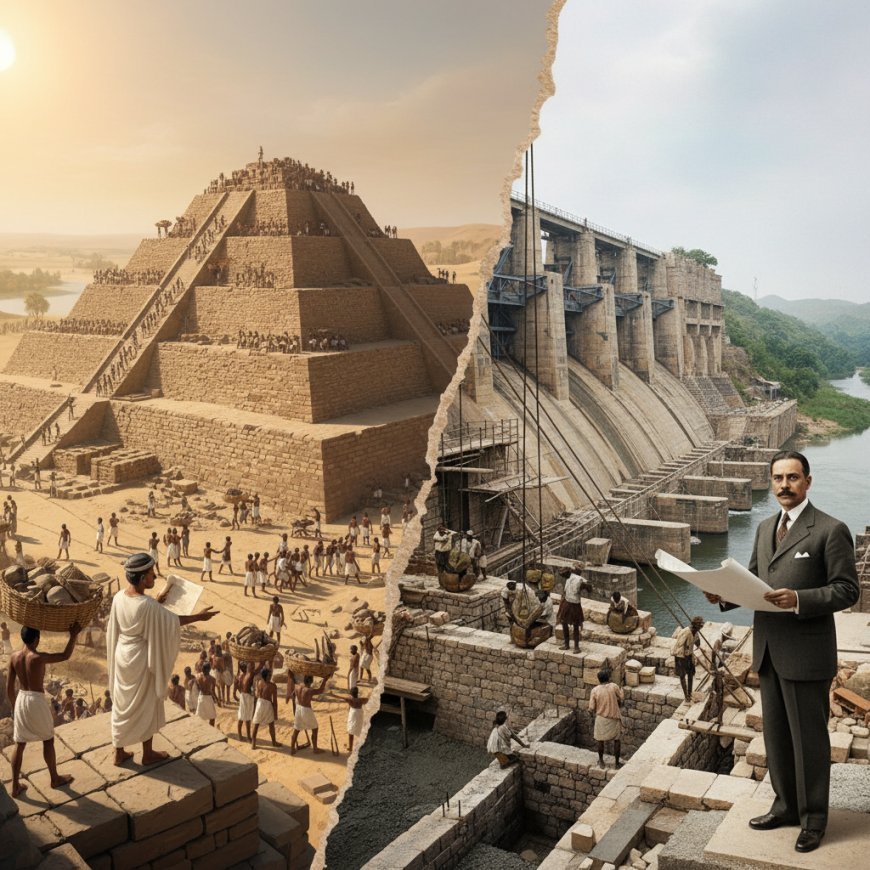


The title "Father of Engineering" evokes images of visionary minds who laid the very groundwork for human civilization. While history often points to a singular figure, the profound impact of engineering throughout different eras and cultures reveals a more nuanced truth. Across millennia, two names stand out, each revered as a pioneering giant in their own right: Imhotep of ancient Egypt and Sir Mokshagundam Visvesvaraya of modern India.
Imhotep: The Architect of Ancient Wonders
Dating back to approximately 2600 BCE, Imhotep was a polymath of ancient Egypt whose genius transcended disciplines. He is widely acknowledged as the world's first multi-disciplinary genius and the original "Father of Engineering" for his groundbreaking work during the Third Dynasty.


- The Step Pyramid: Imhotep’s most famous achievement is the design and construction of the Step Pyramid for Pharaoh Djoser at Saqqara. This monumental structure was the world's first true stone building and a revolutionary departure from traditional mastaba tombs, marking a pivotal moment in architectural history.
- Architectural Innovations: Beyond the pyramid, Imhotep introduced radical architectural concepts, including the pioneering use of stone columns and arches, forever changing the landscape of Egyptian construction.
- Engineering Marvels: His expertise extended to practical engineering, significantly contributing to water management, irrigation systems, and large-scale construction projects that powered the development of a thriving civilization.
- Medical Pioneer: Remarkably, Imhotep is also recognized as the "Father of Egyptian Medicine," having authored critical medical texts, showcasing his unparalleled breadth of knowledge.
Imhotep's legacy is etched in stone, a testament to his innovative spirit and enduring influence on engineering and architecture.


Sir M. Visvesvaraya: India's Modern Engineering Titan
Centuries later, on another continent, Sir Mokshagundam Visvesvaraya emerged as a colossal figure in Indian engineering. Born on September 15, 1861, in Kolar, Mysore (now Karnataka), Sir Visvesvaraya's contributions earned him the esteemed title of "Father of Engineering in India." He was not only a brilliant engineer but also a statesman and city planner whose vision transformed the nation.
- Krishna Raja Sagara Dam: One of his crowning achievements was the design and construction of the Krishna Raja Sagara (KRS) Dam in Mysore, an engineering marvel that, at the time, was India's largest dam, crucial for irrigation and power generation.
- Mysore's Water Supply System: Sir Visvesvaraya meticulously designed and implemented a sophisticated water supply system for Mysore city, providing essential infrastructure for urban growth.
- Bangalore's Development: His foresight profoundly impacted Bangalore's urban development, with his contributions to city planning, roads, bridges, and other vital infrastructure laying the foundation for its future as a major metropolis.
- National Recognition: His immense contributions were recognized globally. He was conferred Knighthood by the British government in 1915 and, most notably, India's highest civilian honor, the Bharat Ratna, in 1955. He also served as the Diwan of Mysore, playing a significant role in India's independence movement indirectly through strengthening the state.
A Shared Legacy of Innovation and Progress
While separated by millennia and continents, both Imhotep and Sir M. Visvesvaraya share a common thread: an insatiable drive to innovate and apply engineering principles to solve complex societal challenges. Imhotep laid the foundational blocks of monumental architecture and practical engineering, shaping the ancient world. Sir Visvesvaraya, with his modern engineering prowess, harnessed natural resources and built vital infrastructure that propelled India into the 20th century.
Their legacies continue to inspire generations of engineers, architects, and innovators worldwide, reminding us that the spirit of engineering is timeless a constant quest to build, improve, and elevate human civilization.