Decoding Your Power Meter's Red Blink: Save Money Now!
Ever wondered why the red light on your electricity meter constantly blinks? This little flicker holds clues to your power consumption and could be costing you a fortune. Learn what it means and how to prevent a hefty bill.
 frame and share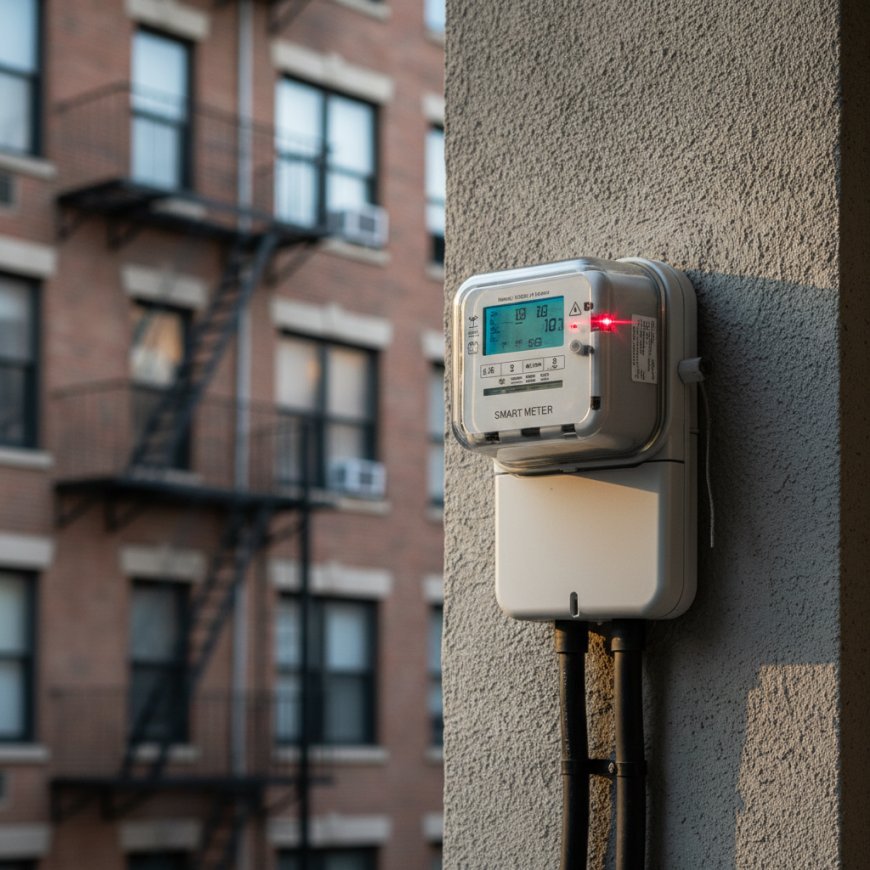


Mumbai: As the month ends, the arrival of the electricity bill often causes widespread alarm. "How did the bill get so high?" is a question echoed in countless homes. While we meticulously calculate the usage of our ACs, refrigerators, and fans, our attention often neglects that small digital meter installed outside our homes. This meter features a tiny 'red light' that constantly blinks.
The Mystery of the Blinking Red Light Unveiled
Many homeowners overlook this blinking red light, dismissing it as a normal operational indicator. However, this seemingly insignificant flicker holds crucial information about your electricity consumption and, if misunderstood, could lead to a significant financial blow.


What Does the Red Light Mean?
That little red light on your digital electricity meter is often a 'pulse indicator' or 'LED indicator'. Each blink signifies a certain amount of electricity consumed, typically measured in watt-hours (Wh) or multiples thereof. For instance, on many meters, 1000 blinks might equate to 1 unit (1 kWh) of electricity. The faster the light blinks, the higher your current electricity consumption.
Why Constant Blinking Should Make You Vigilant
While the light is supposed to blink when electricity is being used, a continuous and rapid blink, even when you believe most appliances are off, could be a red flag. Here's why you need to be cautious:
- High Unnoticed Consumption: The rapid blinking is a direct indicator of power draw. If it's blinking fast, even without heavy appliance use, it means your home is consuming a lot of electricity.
- Phantom Loads: Many modern appliances consume power even when turned off (e.g., TVs on standby, chargers plugged in, set-top boxes). These 'phantom loads' can add up significantly.
- Faulty Appliances: An old or malfunctioning appliance might be drawing more power than it should, causing the meter to spin faster.
- Wiring Issues or Leakage: In rare cases, constant rapid blinking without explanation could point to internal wiring issues or even electricity leakage, which is both dangerous and costly.
How to Be Vigilant and Save Money
It's time to pay attention to that little red light! Here’s how you can take control:
- Monitor the Blink Rate: Observe how fast the light blinks when different appliances are on and off.
- Test for Phantom Loads: At night or when leaving home, switch off all non-essential appliances at the socket. Check if the red light significantly slows down or stops. If it still blinks rapidly, something is consuming power.
- Identify Power Hogs: Systematically turn off one appliance at a time and observe the meter. This can help you pinpoint which devices are consuming the most electricity.
- Regular Meter Checks: Compare the meter reading with your bill regularly. If there's a significant discrepancy or an unexpectedly high bill, and the light is blinking rapidly, investigate further.
- Professional Inspection: If you suspect a faulty meter, internal wiring issues, or unexplained high consumption, contact your electricity provider for a professional inspection.
Don't let the mystery of the blinking red light cost you a fortune. By understanding what it means and being vigilant, you can decode your electricity consumption, identify energy wastage, and prevent those shocking monthly bills. A little awareness can lead to significant savings!