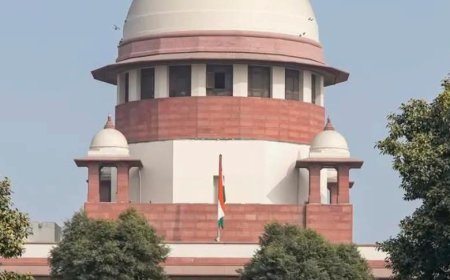
Know Your Rights: Police Misconduct Laws in India & Complaint Process
Police are meant to protect citizens, not misuse authority. Learn your rights under Article 21, CrPC and IPC, laws against police misconduct in India, and the correct legal process to file complaints.
 frame and share


Protectors or Abusers of Power?
India is a democratic nation governed by the rule of law. The police play a crucial role in protecting citizens, preventing crime, and maintaining public order. However, there are frequent instances where police officers misuse their authority instead of exercising it lawfully.
Cases of custodial violence, illegal arrest, physical abuse during interrogation, and refusal to register First Information Reports (FIRs) are serious violations of human rights. Fear, lack of awareness, and social pressure often force victims to remain silent.


The Constitution of India and criminal laws provide strong safeguards against police misconduct. Awareness of these legal protections is the first and strongest defense against abuse of power.


Fundamental Rights Against Police Misconduct
Indian law ensures that every individual is treated with dignity and fairness, even during arrest or police custody.
1. Right to Life and Dignity – Article 21
Article 21 of the Constitution guarantees the Right to Life and Personal Liberty. Courts have repeatedly held that this right includes the right to live with dignity.
Any form of torture, cruel treatment, or inhuman behavior by police officials is unconstitutional and illegal. Custodial violence directly violates this fundamental right.
2. Right to Know Grounds of Arrest – Section 50, CrPC
Under Section 50 of the Code of Criminal Procedure (CrPC), a person who is arrested must be informed of the reasons for arrest and the offense alleged against them.
Arrest without explanation or legal grounds is a violation of due process.
3. Right to Legal Counsel – Section 41D, CrPC
Every arrested person has the right to meet and consult a lawyer of their choice during interrogation. Police authorities cannot deny access to legal assistance under any circumstances.
This safeguard protects individuals from coercion, illegal confessions, and custodial abuse.
4. Right to File Complaint Against Police – Section 166A, IPC
If a police officer deliberately refuses to register an FIR or fails to perform legal duties, Section 166A of the Indian Penal Code makes such conduct punishable.
This provision plays a critical role in ensuring accountability of law enforcement officials.
Penal Provisions Punishing Police Abuse
The Indian Penal Code (IPC) clearly establishes that police officers are not above the law.
-
Section 166A IPC – Willful disobedience of law by a public servant
-
Section 330 IPC – Causing hurt to extract confession (punishable up to 7 years imprisonment)
-
Section 342 IPC – Wrongful confinement or illegal detention
-
Section 376 IPC – Sexual violence or rape in police custody
These provisions recognize police brutality as a serious criminal offense.
How to Take Action Against Police Misconduct
Remaining silent is never a solution. Indian law provides multiple remedies to seek justice.
1. Complaint to Senior Police Officers – Section 154(3), CrPC
If an FIR is refused at the police station, a written complaint can be sent to the Superintendent of Police (SP) or Police Commissioner, who may order an investigation.
2. Approach Magistrate or Human Rights Commission
Victims can directly approach the jurisdictional Magistrate. Complaints can also be filed before the National Human Rights Commission or the respective State Human Rights Commission for independent inquiry.
3. Constitutional Remedies Before Courts
Under Articles 226 and 32 of the Constitution, citizens can approach High Courts or the Supreme Court of India through writ petitions. Courts can order impartial investigations, disciplinary action, or immediate relief.
4. Claim for Compensation
Under Section 357 of the CrPC, courts may award monetary compensation to victims of custodial torture and illegal detention for physical and mental harm suffered.
Key Institutions and Legal Support Mechanisms
-
National Human Rights Commission (NHRC)
-
State Human Rights Commissions
-
Police Complaints Authority (PCA)
-
Right to Information Act, 2005 (RTI)
-
Legal Services Authorities providing free legal aid
These institutions strengthen accountability and protect citizens from abuse of power.
Awareness Is the Strongest Protection
Police authority is not absolute; it is strictly bound by the Constitution and the law. An informed and aware citizen is the strongest safeguard against police misconduct.
If you ever face police abuse, do not panic. Preserve evidence such as medical reports, videos, or witness statements, file written complaints, and seek legal assistance immediately.
The law exists to protect you not to frighten you.