Mumbai-Pune Expressway Nightmare: 12-Hour Traffic Paralysis After Gas Tanker Overturns; CM Fadnavis Orders Probe
A massive traffic jam on the Mumbai-Pune Expressway left thousands stranded for over 12 hours after a propylene gas tanker overturned near the Adoshi tunnel. Chief Minister Devendra Fadnavis has ordered a high-level inquiry. Read the full details of the "shocking revelation" behind the delay.
 frame and share


The Highway That Turned Into a Parking Lot
For thousands of commuters traveling between Maharashtra's two biggest cities Mumbai and Pune Tuesday evening turned into a harrowing ordeal that lasted well into Wednesday morning. The iconic Mumbai-Pune Expressway, usually a symbol of speed and connectivity, was reduced to a 12-hour standstill, forcing families, office-goers, and tourists to spend the night in their vehicles without food, water, or access to restrooms.
The chaos, which social media users described as a "literal parking lot," was not caused by a simple breakdown but by a potentially catastrophic accident involving a chemical tanker. As public anger mounted over the delay, a shocking revelation about the nature of the cargo emerged, prompting Chief Minister Devendra Fadnavis to step in and order an immediate inquiry.


The Incident: Panic at Adoshi Tunnel
The sequence of events began around 5:00 PM on Tuesday, February 3, 2026. A heavy-duty tanker moving towards Mumbai reportedly lost control on the slope near the Adoshi Tunnel in the Bhor Ghat section (Raigad district). The vehicle overturned, blocking key lanes.
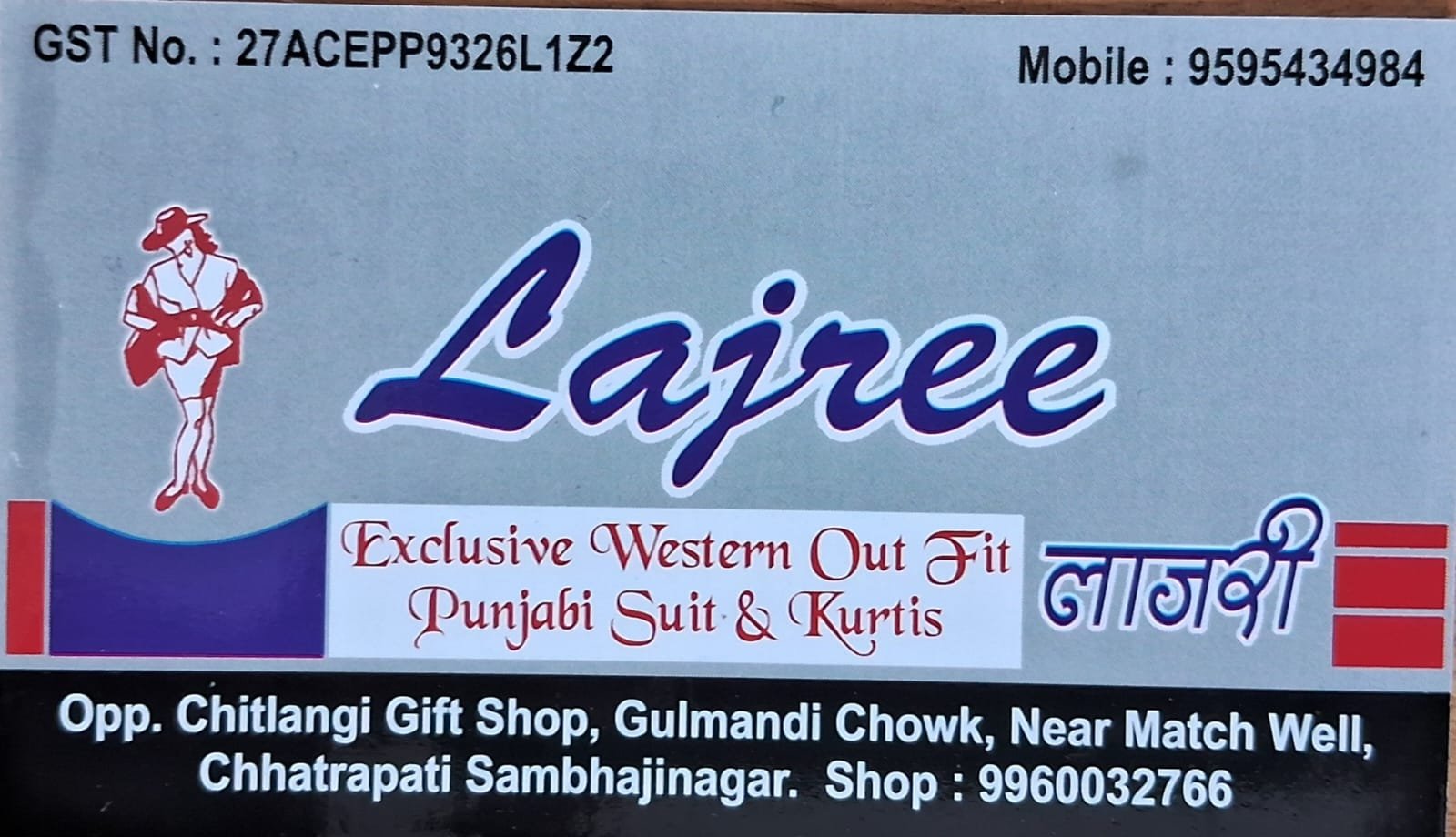
While accidents are unfortunately common on this stretch, the situation escalated rapidly when white fumes began billowing from the overturned tanker. It was discovered that the tanker was carrying Propylene, a highly flammable and hazardous liquefied gas used in the petrochemical industry.
The "Shocking Revelation": Why It Took So Long?
Commuters stuck in the jam were initially baffled as to why a single overturned vehicle was not cleared for hours. The "shocking revelation" that later surfaced was the sheer volatility of the situation.
-
Explosion Risk: Authorities revealed that a gas leak had started immediately after the crash. Propylene is heavier than air and highly combustible. Even a tiny spark—from a vehicle engine, a cigarette, or metal friction—could have triggered a massive explosion, potentially causing a disaster of catastrophic proportions in the ghat section.
-
The Rescue Operation: Standard cranes could not be used immediately. The highway police had to completely stop traffic on the Mumbai-bound arm and divert vehicles to the Pune-bound lanes, effectively choking both sides.
-
Specialized Response: The state government had to summon specialized teams from the National Disaster Response Force (NDRF) and Bharat Petroleum Corporation Limited (BPCL). The operation involved transferring the hazardous chemical to an empty tanker mid-highway, a delicate process that began only at 4:30 AM on Wednesday due to the complexity involved.
CM Fadnavis Intervention: Inquiry Ordered
Recognizing the severity of the disruption and the potential safety lapses, Chief Minister Devendra Fadnavis took serious cognizance of the incident.
On Wednesday, the CM’s office issued a directive to the Maharashtra State Road Development Corporation (MSRDC) and the state police. The key points of the order include:
-
Immediate Inquiry: A probe into why the tanker overturned (speeding or mechanical failure) and the response time of the emergency teams.
-
SOP Review: A review of the Standard Operating Procedures (SOPs) for transporting hazardous chemicals on the Expressway, especially during peak hours.
-
Future Preparedness: Recommendations on equipping the Expressway control teams with better hazmat (hazardous material) handling capabilities to prevent such prolonged blockades in the future.
Commuter Plight: A Night of Horror
While the authorities worked to avert an explosion, the human cost of the jam was visible on the tarmac. Queues of vehicles stretched for over 10 to 12 kilometers.
-
No Escape: Trapped on the ghat section, motorists had no U-turn options.
-
Basic Needs: Reports highlighted the distress of passengers, including children and the elderly, who ran out of water and food. The lack of washrooms on the blocked stretch added to the misery.
-
Social Media Outrage: Furious citizens tagged the PMO and CMO handles on X (formerly Twitter), questioning the disaster management readiness of a state that aspires to a $1 trillion economy. One user wrote, "It’s not a highway, it’s a trap. We have been stuck for 8 hours with no police in sight to guide us."
A Wake-Up Call
The traffic has since slowly resumed after the successful transfer of the gas and the removal of the tanker wreckage. However, the 12-hour paralysis of Maharashtra's economic lifeline serves as a wake-up call.
While the "shocking" nature of the cargo justified the caution to prevent an explosion, the lack of contingency plans for stranded passengers remains a glaring gap. With the CM’s inquiry now in motion, daily commuters hope that this incident will lead to stricter regulations on chemical transport and better crisis management on the Mumbai-Pune Expressway.