SC Denies Hearing Assam CM Hate Speech Case; Time Constraints Cited
The Supreme Court declined to hear the Assam Chief Minister's plea against hate speech accusations, citing prior pending cases. Journalist Zakir Ali Tyagi criticized the ruling.
 frame and share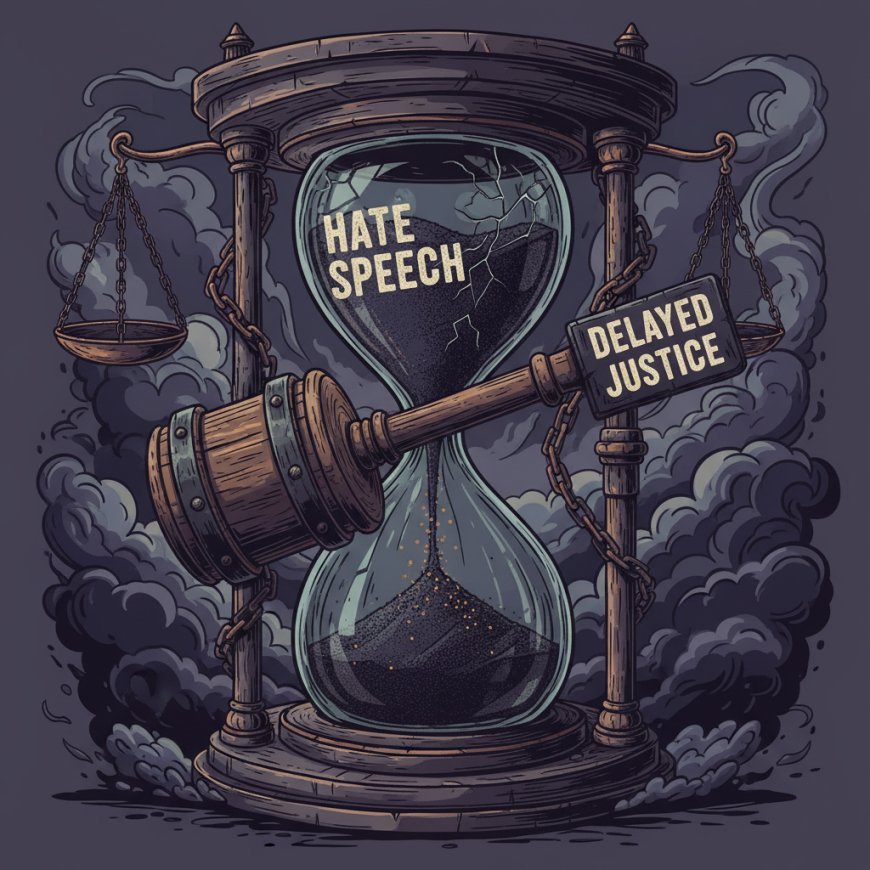


India’s Supreme Court has refused to entertain a petition filed by the Assam Chief Minister regarding ongoing accusations that he engaged in hate speech targeting the Muslim community. The Court's rationale for the denial citing a severe shortage of time due to the CM already having several cases pending has sparked immediate and intense debate regarding judicial priorities in the country.
SC Cites Unprecedented Time Constraint
The plea sought relief concerning multiple allegations suggesting the Chief Minister had used inflammatory and divisive language during public addresses in Assam. However, the bench ruled that the matter could not be prioritized at this juncture. The Court explicitly stated that the petitioner, a sitting Chief Minister, already has numerous cases pending, and the judicial calendar simply does not have the necessary time to accommodate another hearing right now.


This decision, denying a hearing to a high-profile politician based explicitly on judicial time management, has been met with significant skepticism by legal experts and human rights advocates, who question the allocation of the court's precious schedule.


Journalist Slams Judicial Priorities
The denial quickly drew a sharp, public critique from prominent journalist Zakir Ali Tyagi. Tyagi issued a powerful response, challenging the perceived imbalance in how the judicial system allocates its attention and resources, particularly when matters concerning civil liberties are concerned.
In a direct statement challenging the judiciary’s focus, Tyagi stated: "If the Supreme Court doesn't have time to hear a petition against the Assam CM a matter involving serious allegations of hate speech then the CJI should show the public what petitions they do have time for. Individuals like Umar Khalid, Sharjeel Imam, and Khalid Saifi have faced years of delayed hearings while they remain incarcerated. Their right to justice is apparently less valuable than the calendar of a sitting politician."
Tyagi’s comments underscore a pervasive concern among civil rights groups that high-profile cases involving political opposition or fundamental freedoms are often indefinitely stalled, raising uncomfortable questions about judicial accountability and the protection of minorities in India.