The 'SaaSpocalypse': How Anthropic's New AI Agents Sparked Chaos in IT Stocks
Indian IT stocks like TCS, Infosys, and Wipro faced a massive sell-off following the launch of Anthropic's new AI "Cowork" agents. Is this the end of the traditional IT service model, or a classic market overreaction? We analyze the "SaaSpocalypse" and what it means for your portfolio.
 frame and share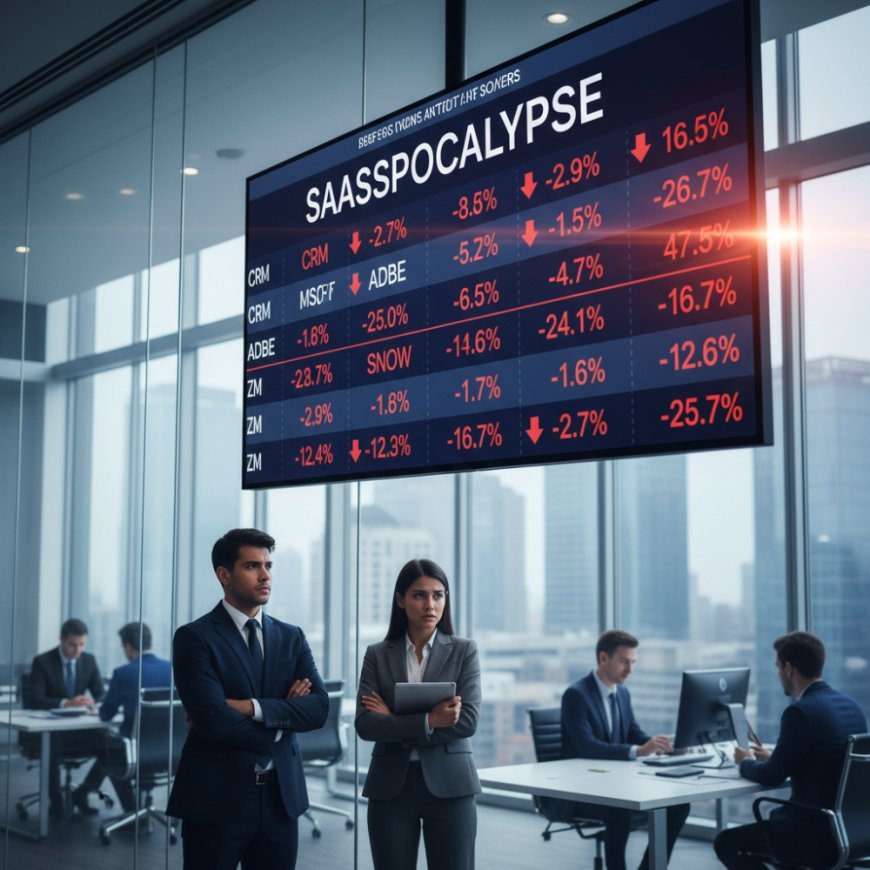


Mumbai/New York: The calm of the early 2026 bull market was shattered this week by a new entrant in the artificial intelligence arena. It wasn't a chatty bot or an image generator, but a suite of "agentic" tools from AI unicorn Anthropic that has sent shivers down the spines of investors in Indian IT and global SaaS (Software as a Service) companies.
The launch of Claude Cowork plugins autonomous AI agents designed to execute complex professional workflows triggered a sharp sell-off in IT heavyweights like Tata Consultancy Services (TCS), Infosys, and Wipro. Traders have dubbed the event the "SaaSpocalypse," fearing that these new AI capabilities signal an existential threat to the labor-intensive business models that power India's $250 billion IT industry.


But as billions of dollars in market value evaporate, a growing chorus of analysts is asking a critical question: Is the market pricing in a legitimate doomsday, or is this just another panic attack in the face of technological change?


The Trigger: What Did Anthropic Launch?
The chaos began when US-based AI lab Anthropic introduced a major expansion to its Claude ecosystem. Unlike previous AI tools that simply "assist" humans by drafting emails or summarizing text, the new Claude Cowork agents are built on the Model Context Protocol (MCP). This technology allows the AI to:
-
Act Autonomously: Navigate internal company files, databases, and third-party apps to complete multi-step tasks without human hand-holding.
-
Replace Workflows: Execute end-to-end processes in legal review, sales data entry, marketing analytics, and even basic coding—tasks that traditionally form the "bread and butter" of IT outsourcing contracts.
For investors, the demo was a wake-up call. If an AI agent can securely connect to a company's database and "do the needful" for a fraction of the cost, what happens to the billing rates of the armies of engineers currently employed to do the same?
The Fallout: Billions Wiped Out in Days
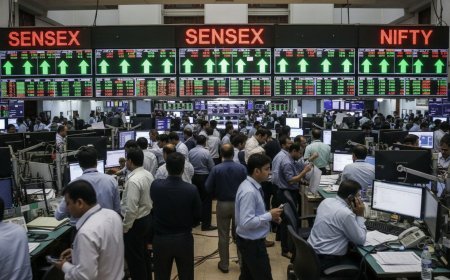
The reaction on Dalal Street and Wall Street was swift and brutal.
-
Indian IT Bleeds: The Nifty IT index suffered its steepest single-day drop in nearly four years. Majors like Infosys and Wipro saw their stock prices tumble by over 7-8% in intraday trading, dragging the broader indices down.
-
Global SaaS Routing: In the US, companies like Salesforce, ServiceNow, and legal-tech firms saw double-digit corrections. The fear is that "seat-based" subscription models are dead if one AI agent can do the work of ten human users.
"The selloff reflects a structural fear," notes a Singapore-based hedge fund manager. "The market is realizing that 'efficiency' means fewer billable hours. If AI agents reduce the need for human intervention by 40%, revenue estimates for 2027 look drastically different."
The Bear Case: Why The Fear is Real
Skeptics argue that this is not a drill. The "SaaSpocalypse" narrative suggests that the Indian IT sector's classic "pyramid model" hiring thousands of fresh graduates for repetitive coding and maintenance tasks is facing obsolescence.
-
Code Generation vs. Code Execution: While tools like GitHub Copilot helped developers write code faster, Anthropic’s agents can purportedly maintain and debug code repositories autonomously. This strikes at the heart of "Application Maintenance and Support" (AMS) contracts, a cash cow for Indian IT.
-
Deflationary Pressure: If clients can license an AI agent for $500/month to do the work of a junior analyst, IT firms will lose their pricing power. Margins could collapse as clients demand that the cost savings from AI be passed on to them.
The Bull Case: Why It's "Too Early to Plug Out"
Despite the panic, veteran industry watchers believe the sell-off is a massive overreaction. They argue that the death of the Indian IT service model has been predicted—and proven wrong—many times before, from the dot-com bubble to the rise of cloud computing.
1. The "Implementation" Moat "AI agents are powerful, but they don't install themselves," says Unmesh Sharma, Head of Institutional Equities at HDFC Securities. He argues that global enterprises are sitting on decades of "legacy junk"—messy data and old systems that modern AI cannot navigate out of the box. Indian IT firms will be the ones hired to clean this data, integrate these agents, and build the guardrails (security and compliance) needed to run them safely.
2. From Doers to Supervisors Tech Mahindra CEO Mohit Joshi termed the market reaction "skittish." He points out that productivity gains don't necessarily destroy revenue; they often unlock new demand. As the cost of software development drops, companies will build more software, not less, leading to higher volumes of work that require higher-level architectural oversight—a premium service.
3. The Reliability Gap While the demos look flawless, enterprise reality is different. "Hallucinations" (AI making errors) in a critical banking or healthcare system are unacceptable. Human-in-the-loop verification remains essential, ensuring that IT service providers will simply evolve from "coders" to "AI auditors."
A Volatile Transition
The arrival of agentic AI is undeniably a watershed moment. It forces a "valuation reset" where investors must distinguish between IT companies that are merely renting out labor and those that are building deep domain expertise.
For the retail investor, the "SaaSpocalypse" offers a lesson in volatility. While the immediate future for IT stocks may remain turbulent as the market digests the impact of Anthropic's tools, history suggests that betting against the adaptability of the Indian IT sector is a risky proposition. The tools of the trade have changed, but the need for a skilled workforce to wield them has not disappeared it has just evolved.