US-Israel Iran Strikes: Global Economic Shockwaves Erupt
US and Israeli strikes on Iran trigger immense global economic shockwaves, fueling market volatility and reshaping investment priorities worldwide. Understand the cascading impacts.
 frame and share


The modern financial landscape has once again been starkly reminded of its profound interconnectedness, as recent reports of US and Israeli attacks on Iran send immediate economic shockwaves across the globe. These geopolitical tensions, unfolding in a strategically critical region, demonstrate how deeply integrated global financial systems have become, creating cascading impacts that reshape investment priorities and monetary policy considerations worldwide.
Oil Markets Roil Amid Supply Fears
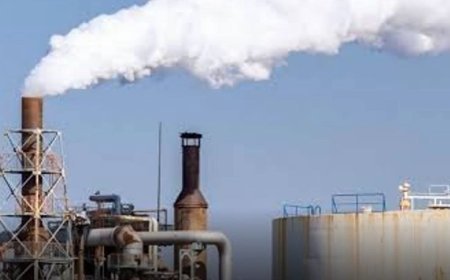
The most immediate and palpable impact of escalating tensions in the Middle East is invariably felt in the energy markets. News of potential or confirmed attacks on Iran, a major oil producer and guardian of the crucial Strait of Hormuz, instantly sends crude oil prices soaring. Investors react with heightened fear of supply disruptions, driving up futures contracts and signaling potential inflationary pressures across economies dependent on imported oil. Fuel prices, transportation costs, and manufacturing expenses are all poised for significant increases, threatening to stifle economic growth globally.


Global Markets Reel: Stocks, Bonds, and Currencies Under Pressure
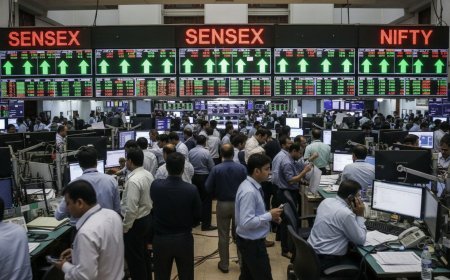
Beyond the oil sector, broader financial markets are experiencing substantial volatility. Stock exchanges from New York to Tokyo register sharp declines as investor confidence erodes. Companies with significant international exposure, particularly those relying on complex global supply chains, face immediate scrutiny. Safe-haven assets, such as gold and US Treasury bonds, typically see a surge in demand as investors seek refuge from uncertainty, pushing bond yields down and gold prices up. Currency markets also react erratically, with major global currencies fluctuating against each other based on perceived stability and economic resilience.


Investor Sentiment and the Search for Stability
The unfolding crisis fundamentally alters investor sentiment, shifting focus from growth opportunities to capital preservation. Geopolitical risk premiums are reassessed, and investment portfolios are repositioned to mitigate exposure to volatile regions and sectors. Industries perceived as vulnerable to supply chain disruptions or direct geopolitical fallout experience outflows, while defensive sectors might see renewed interest. This environment fosters a cautious approach, with many institutional and retail investors adopting a wait-and-see attitude, further contributing to market illiquidity and sudden price swings.
Central Banks Grapple with a Dual Challenge
The economic fallout presents a severe dilemma for central banks worldwide. They face the unenviable task of balancing potential inflationary pressures stemming from higher energy prices with the risk of an economic slowdown triggered by reduced business confidence and market instability. Aggressive interest rate hikes to combat inflation could exacerbate a nascent recession, while a dovish stance might allow inflation to spiral out of control. This complex scenario demands a delicate and highly adaptive monetary policy response, pushing policymakers into uncharted territory as they navigate unprecedented global financial interconnectedness and geopolitical unpredictability.
The New Paradigm: Geopolitics as a Core Economic Driver
Ultimately, the economic shockwaves emanating from US and Israeli actions against Iran underscore a new paradigm where geopolitical events are no longer peripheral but central to global economic stability. Businesses, governments, and investors must integrate sophisticated geopolitical risk assessments into their core strategies. The cascading impacts on supply chains, commodity prices, and financial markets serve as a potent reminder that in our interconnected world, regional conflicts have immediate and profound global economic consequences, reshaping investment priorities and monetary policy considerations for years to come.