Delhi HC Flags 'Erroneous' Findings in Kejriwal Discharge
The Delhi High Court deems trial court's findings on witnesses in Arvind Kejriwal's Liquor Policy Case discharge order 'prima facie erroneous' and needs consideration.
 frame and share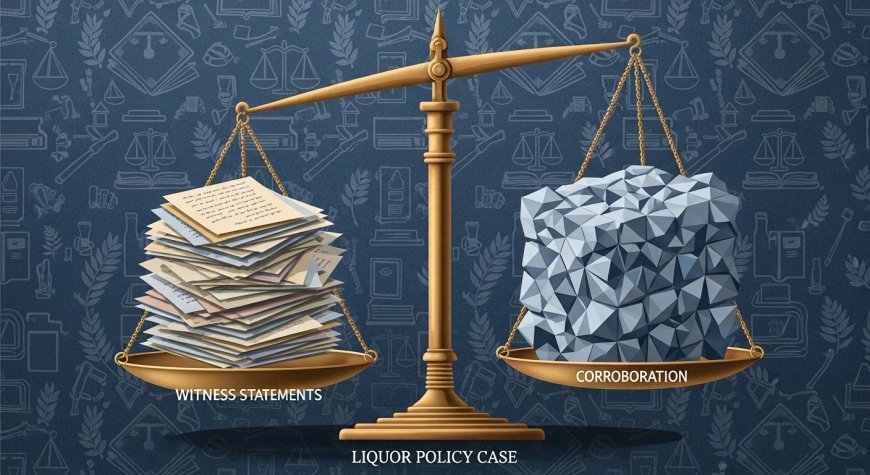


NEW DELHI – In a significant development concerning the ongoing Liquor Policy Case, the Delhi High Court on Monday stated that the trial court's observations made while discharging Aam Aadmi Party (AAP) leaders Arvind Kejriwal, Manish Sisodia, and other accused regarding witness statements and approvers, at the charge stage, are "prima facie erroneous and need consideration."


High Court Flags Trial Court's Findings on Witnesses
The pronouncement by the High Court comes as a critical twist in a case that has seen high-profile political figures under intense scrutiny. The trial court had previously found that allegations against Delhi Chief Minister Arvind Kejriwal were predominantly based on statements from co-accused or witnesses. Crucially, the trial court concluded there was an absence of independent corroboration directly linking Kejriwal to any alleged criminal conspiracy, which ultimately led to the initial discharge order for him and others.


The Core of the Contention: "Prima Facie Erroneous"
The High Court's current stance suggests a potential re-evaluation of how witness testimonies and approver statements were weighed at the initial charge-framing stage. The phrase "prima facie erroneous" indicates that, at first glance, the High Court believes there might be significant flaws in the trial court's reasoning or application of legal principles concerning these crucial pieces of evidence. This observation applies specifically to the trial court's findings on the reliability and corroborative value of statements made by witnesses and approvers.
This development could have profound implications for the future trajectory of the Liquor Policy Case. Legal experts suggest that the High Court's intervention could pave the way for a more detailed examination of the evidence that was previously deemed insufficient for framing charges against the accused.
What This Means for the Accused and the Case
The initial discharge order provided a major relief to Kejriwal, Sisodia, and others, effectively stating that there was insufficient material to proceed to trial. However, the High Court's latest comments signal that this relief might be subject to review. Should the High Court uphold its preliminary assessment, the case could see a renewed focus on the corroborative value of witness statements and the role of approvers in establishing a criminal conspiracy.
The legal battle is far from over, and this latest development underscores the complex nature of high-stakes criminal investigations involving political leaders. All eyes will now be on the Delhi High Court as it proceeds to consider the matter further, potentially reshaping the future of the much-debated Liquor Policy Case.