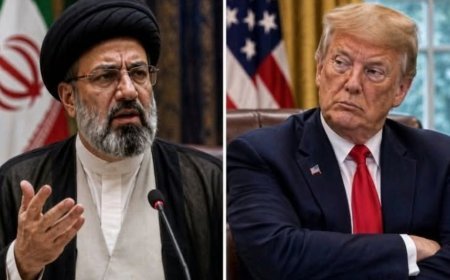
Iran-US War Threatens Global Internet: Tehran Mulls Fees on Undersea Cables, India Faces Risk.
 frame and share


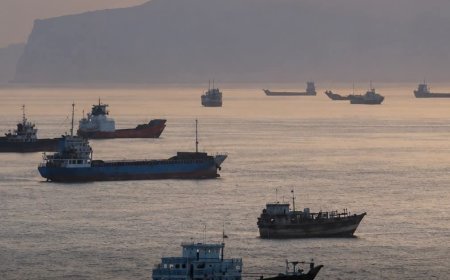
May 9, 2026:As the US-Iran war disrupts multiple sectors, Tehran is now signaling plans to leverage undersea internet cables passing through the Strait of Hormuz, raising alarms about global digital connectivity and potential impacts on India’s internet traffic.
Ian’s New Digital Threat:


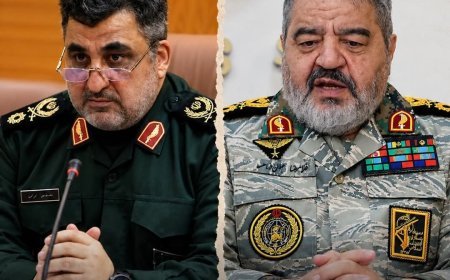
Iranian military spokesperson Ebrahim Zolfaghari announced on X: “We will impose fees on internet cables.” Iranian state-linked media elaborated that global tech giants including Google, Meta, Microsoft, and Amazon would be targets for licensing charges. Authorities also suggested repair and maintenance rights for cables should belong only to Iranian firms. a03be006


Why Strait of Hormuz Cables Matter:.
1Global Data Highway: Undersea fiber-optic cables laid on the ocean floor carry 95-99% of all intercontinental data traffic. Seven major cables run under the Strait of Hormuz, making it a critical digital chokepoint.
Key Routes: Major cables include Asia-Africa-Europe-1 (AAE-1) connecting Southeast Asia to Europe via Egypt; FALCON linking India and Sri Lanka to Gulf countries; and Gulf Bridge International (GBI) connecting all Gulf nations including Iran.
3ndia’s Exposure: Some of these cables terminate in Mumbai, and around 60% of India's internet traffic is carried over these links. About 60% of India’s internet traffic passes through Gulf routes traveling from Mumbai to Europe. a03b61e0
*Potential Global Impact:*
1. *Services at Risk*: Disruptions could affect Instagram reels, Amazon deliveries, WhatsApp chats, Netflix streams, Google searches, banking systems, cloud services, stock exchanges, and e-commerce.
2Economic Fallout: “Damaged cables mean the internet slowing down or outages, e-commerce disruptions, delayed financial transactions... and economic fallout from all of these disruptions,” said analyst Masha Kotkin.
Regional Hit While affected routes carry less than 1% of global bandwidth, countries across the Middle East, India, East Africa, and parts of Asia and Europe could face major economic and digital disruptions. 1413a03bd113f677
Legal & Technical Challenges:
US Sanctions Conflict U.S. sanctions prohibit American companies from paying Iranian state entities, creating a legal dilemma for Google, Meta, and others who cannot comply without violating U.S. law.
2Physical Threats: The IRGC has demonstrated capability to threaten undersea infrastructure via combat divers, mini-submarines, and underwater drones. Iran-linked media warned cables could be disrupted if companies refuse to pay. d9159f82
India’s Contingency Plans:
India’s Department of Telecommunications has asked telecom and subsea cable operators to draw up contingency plans as the conflict could delay new deployments, disrupt maintenance, and put India–Europe connectivity at risk. Industry executives sought government support to engage with Iran to safeguard infrastructure. f78a
Broader War Context:
The threat comes as the US-Israeli war against Iran continues. Meta confirmed pausing part of its 45,000-km 2Africa undersea cable project due to geopolitical tensions affecting segments through Oman, UAE, Qatar, Bahrain, Kuwait, Iraq, Pakistan, India and Saudi Arabia. Reports of a March 3 drone attack on two AWS facilities disrupted operations for Emirates NBD, Snowflake and Policybazaar UAE. 01812741
Key Takeaway : Iran is expanding its Strait of Hormuz leverage beyond oil to global internet traffic, using geography as a geopolitical asset. While a complete internet blackout is unlikely, India remains exposed to congestion and performance issues due to reliance on limited routes.
_