
Mumbai Airport Arrest Sparks Yellow Fever Fears in India
India is on high alert for Yellow Fever after an arrest at Mumbai Airport amid heightened screenings. Learn what Yellow Fever is, how it spreads, and its dangers.
 frame and share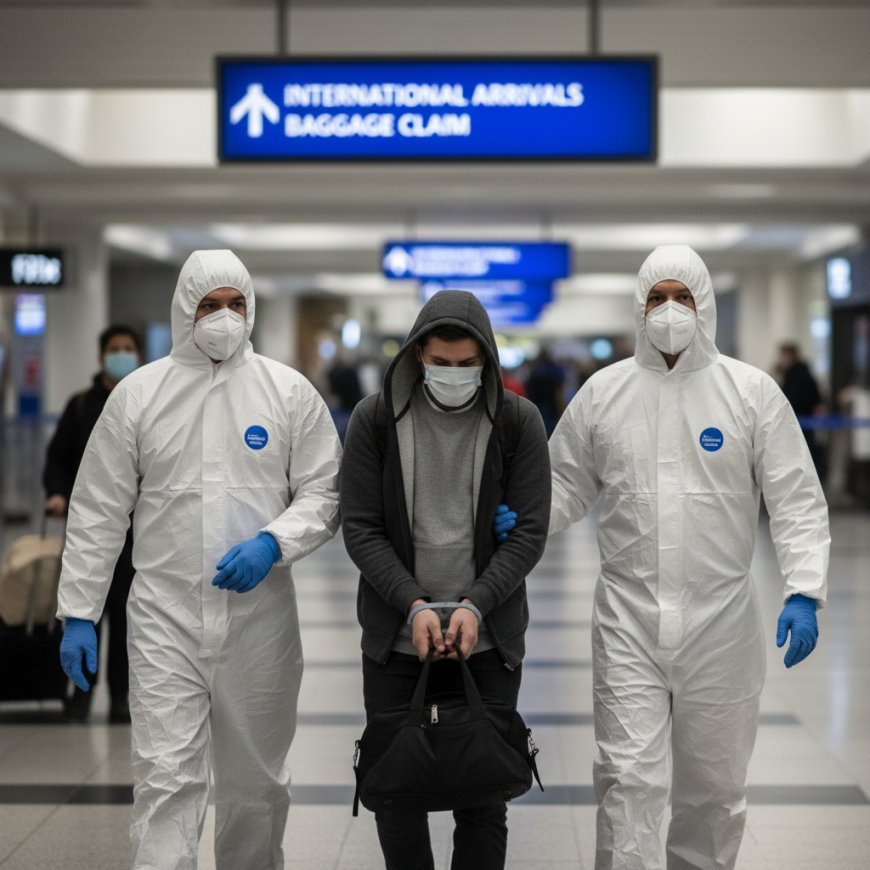


India has ramped up its vigilance against Yellow Fever following a significant incident at Mumbai Airport, where an individual was arrested in connection with the disease. This development comes as airports across the nation intensify screenings for the viral infection, raising questions about Yellow Fever's nature, transmission, and severity.
Yellow Fever Alert: Arrest at Mumbai Airport
The arrest at Chhatrapati Shivaji Maharaj International Airport (CSMIA) in Mumbai has put health authorities on high alert. While specific details about the individual's identity or the exact reason for the arrest remain undisclosed, it underscores India's stringent measures to prevent the entry and spread of Yellow Fever, particularly from travelers arriving from endemic regions.


What is Yellow Fever?
Yellow Fever is an acute viral hemorrhagic disease transmitted by infected mosquitoes, primarily the Aedes aegypti species. The 'yellow' in its name refers to the jaundice that affects some patients. The virus belongs to the flavivirus genus and is endemic in tropical and subtropical areas of South America and Africa.


How Does Yellow Fever Spread?
The disease is transmitted to humans through the bite of infected mosquitoes. It does not spread directly from person to person. When a mosquito bites an infected person or monkey, it becomes infected and can then transmit the virus to other humans or primates. This cycle explains why public health interventions often focus on mosquito control and vaccination.
Is Yellow Fever Dangerous?
Yellow Fever can range from mild, flu-like symptoms to severe disease. Most people infected experience no symptoms or only mild ones like fever, headache, muscle aches, nausea, vomiting, and fatigue. However, about 15% of those infected develop a more severe form, which can be fatal. Severe cases are characterized by high fever, jaundice, bleeding (from the eyes, nose, mouth, or stomach), and kidney failure. The fatality rate among those who develop severe disease can be as high as 30-60%.
There is no specific treatment for Yellow Fever; medical care focuses on managing symptoms. The most effective way to prevent the disease is through vaccination, which provides lifelong immunity for most people within one month of receiving the vaccine.
India's Proactive Measures
Given India's tropical climate and dense population, there's a significant risk of local transmission if the virus were to establish itself. Therefore, the country mandates Yellow Fever vaccination certificates for all travelers arriving from or transiting through endemic countries in Africa and South America. The ongoing airport screenings and the recent arrest highlight India's commitment to safeguarding public health against this potentially deadly disease.