Nipah Virus Death in Bangladesh: WHO Issues Alert, Symptoms & Prevention Guide
WHO confirms a Nipah Virus death in Bangladesh caused by raw date palm sap. Learn about the symptoms, transmission risks, global alerts, and how to stay safe from this deadly virus.
 frame and share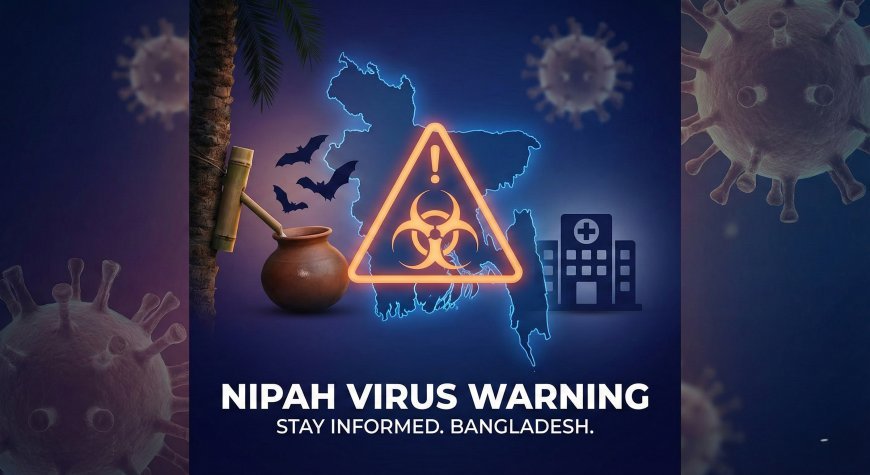


The World Health Organization (WHO) has issued a renewed alert following the death of a woman in Bangladesh due to the deadly Nipah Virus (NiV). This development has sparked concern among global health authorities, particularly in neighboring countries like India. The virus, known for its high mortality rate and lack of a specific cure, continues to pose a significant public health challenge in South Asia.
On Friday, WHO officials confirmed that a woman aged between 40 and 50 passed away in the northern region of Bangladesh in January. The confirmation serves as a grim reminder of the persistent threat posed by zoonotic diseases in the region.
The Incident: Timeline of a Tragedy
According to the details released by the WHO, the victim fell ill on January 21. Her condition deteriorated rapidly, showcasing the aggressive nature of the Nipah virus.
-
Initial Symptoms: The illness began with typical viral symptoms including high fever and severe headache.
-
Progression: As the infection spread, she developed more alarming signs such as excessive salivation, disorientation, and respiratory distress.
-
Critical Phase: The patient eventually suffered from convulsions, a sign of severe neurological impact (encephalitis).
-
Outcome: Approximately one week after the onset of symptoms, the woman succumbed to the virus.
Laboratory tests conducted the day after her death confirmed the presence of the Nipah virus.
Root Cause: The Danger of Raw Date Palm Sap
Investigations into the source of the infection revealed that the woman had no travel history, ruling out the possibility of importing the virus from another location. However, a crucial dietary habit was identified as the likely cause: the consumption of raw date palm sap.
In Bangladesh and parts of India, harvesting date palm sap is a common practice during winter. Unfortunately, the pots used to collect the sap often attract fruit bats (Pteropus genus), which are the natural reservoirs of the Nipah virus. These bats can contaminate the sap with their saliva or urine. Drinking this sap raw, without boiling or pasteurizing it, is a primary route of transmission for the virus from animals to humans.
Contact Tracing and Containment
Following the confirmation of the case, health authorities swiftly initiated contact tracing. The WHO reported that 35 individuals who had been in close contact with the deceased are currently under strict surveillance. Fortunately, all tests conducted on these contacts have returned negative results so far, suggesting that a wider outbreak has been contained for now.
Regional Impact and International Alert
The timing of this case is significant as it coincides with reports of two Nipah virus cases in the neighboring Indian state of West Bengal. The geographical proximity and shared ecological conditions make cross-border vigilance essential.
In response to the potential risk of spread, several Asian nations have ramped up their biosecurity measures:
-
Airport Screening: Countries including Thailand, Malaysia, Indonesia, and Pakistan have implemented thermal screening at international airports.
-
Monitoring: Health officials are closely monitoring travelers arriving from affected regions for signs of fever or respiratory illness.
Understanding the Nipah Virus
Nipah virus is classified as a high-priority pathogen by the WHO due to its epidemic potential and the lack of countermeasures.
-
Mortality: The case fatality rate is estimated to be between 40% and 75%, depending on the strain and the quality of medical care available.
-
Transmission: While primarily transmitted from animals to humans, human-to-human transmission can occur, particularly among caregivers of infected patients.
-
Treatment: There is currently no licensed vaccine or specific antiviral treatment for Nipah virus infection. Management is limited to supportive care to treat complications.
Prevention: How to Stay Safe
With no medical cure available, prevention remains the most effective strategy against Nipah virus infection. The WHO and local health departments advise the following:
-
Avoid Raw Sap: Do not consume raw date palm sap. If it must be consumed, it should be boiled thoroughly to kill any potential pathogens.
-
Fruit Hygiene: Wash fruits thoroughly before eating. Avoid fruits that appear to be bitten by birds or animals, or those found fallen on the ground.
-
Protective Gear: Medical personnel and family members caring for patients with suspected Nipah infection should use standard infection control precautions, including masks and gloves.
-
Hand Hygiene: Regular hand washing with soap and water is crucial.
Conclusion
While the WHO has stated that the current risk of international spread is low and has advised against travel or trade restrictions, the death in Bangladesh is a sober warning. It highlights the intricate link between human health and the environment. As winter continues, communities in affected regions must remain vigilant, abandoning risky traditional practices like drinking raw sap to prevent further loss of life.