Vitamin D & B12 Deficiency: The Hidden Triggers of Heart Attacks
Discover how the silent deficiency of Vitamin D and B12 is increasing the risk of heart attacks, strokes, and hypertension. Learn the symptoms, the science of homocysteine, and dietary solutions to protect your heart.
 frame and share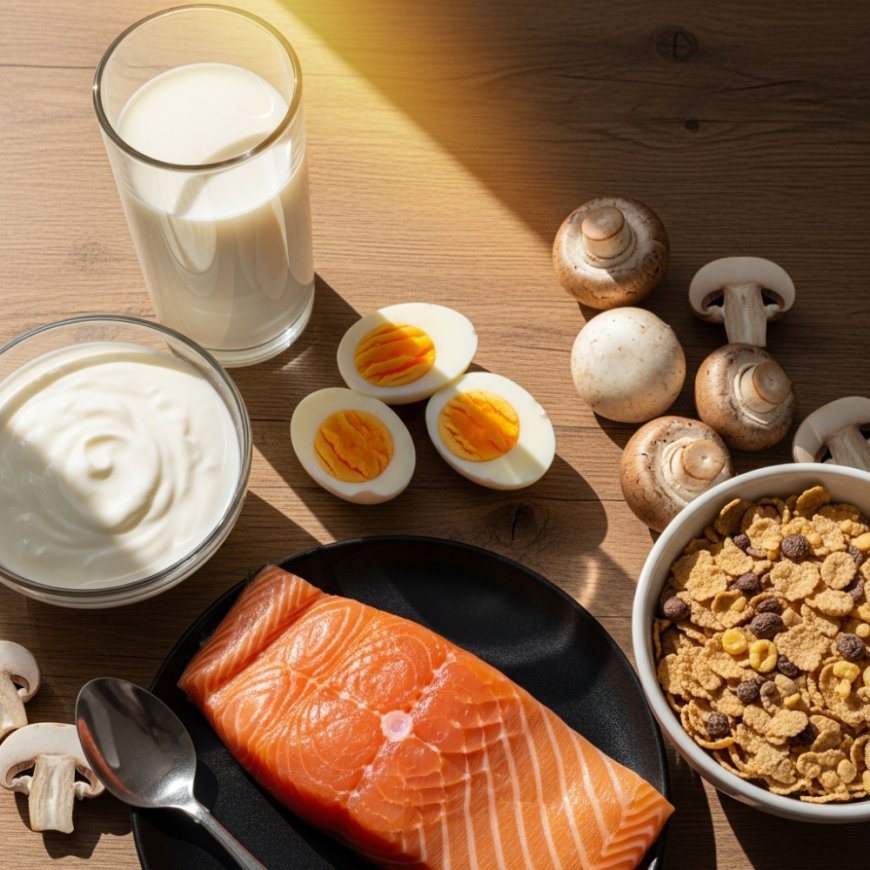


The Silent Threat: How Vitamin D and B12 Deficiencies Are Driving Up Heart Attacks
In recent years, the alarming rise in sudden heart attacks particularly among young and seemingly fit individuals has baffled the public. While traditional culprits like high cholesterol, chronic stress, smoking, and a sedentary lifestyle are frequently blamed, medical researchers are increasingly pointing toward a massive, hidden epidemic: severe micronutrient deficiency.
Specifically, the deficiencies of Vitamin B12 and Vitamin D have emerged as major independent risk factors for cardiovascular diseases. Ignoring these silent deficiencies can quietly degrade your blood vessels, setting the stage for life-threatening cardiac events.
The Vitamin B12 Connection: The Homocysteine Hazard
Vitamin B12 (Cobalamin) is an essential nutrient responsible for nerve function, red blood cell formation, and DNA synthesis. However, its most crucial role in heart health lies in how it regulates a specific amino acid in the blood called Homocysteine.


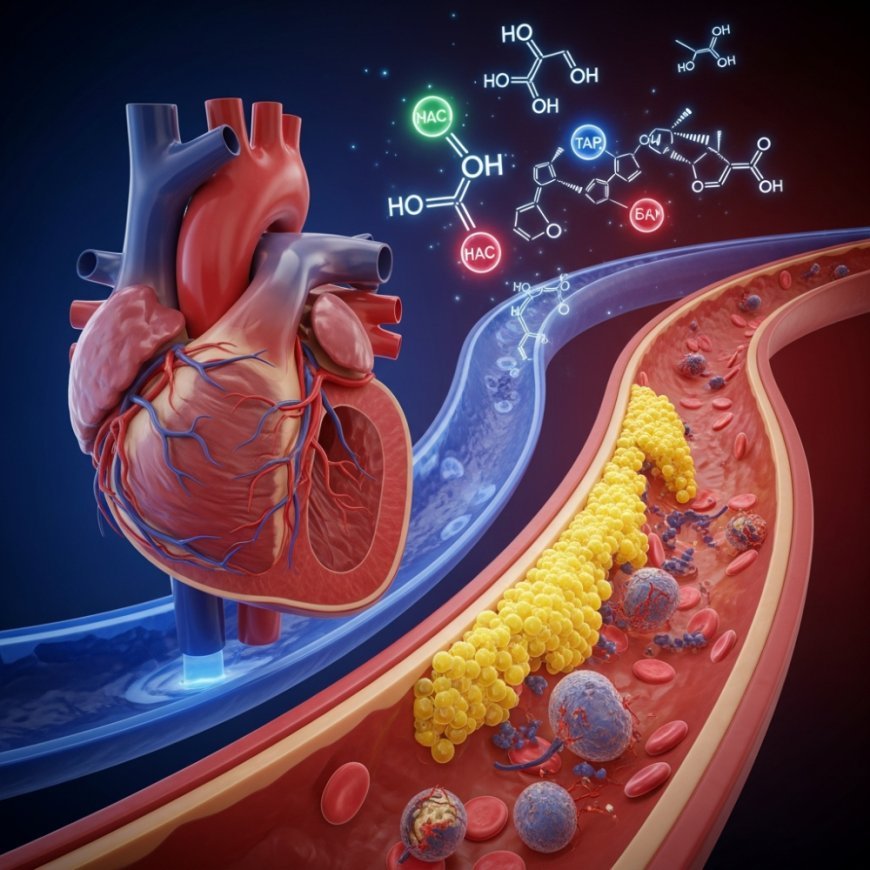
When your body lacks adequate Vitamin B12, it fails to process homocysteine properly. This leads to a dangerous condition known as hyperhomocysteinemia (elevated homocysteine levels).
High levels of homocysteine are highly toxic to the delicate inner lining of your arteries (the endothelium). It acts almost like sandpaper, causing inflammation and microscopic tears in the blood vessels. To heal these tears, the body sends cholesterol and fat to the site, rapidly accelerating the buildup of plaque (atherosclerosis). This narrows the arteries, restricting blood flow and drastically increasing the risk of blood clots, strokes, and heart attacks.
The Vegetarian and Vegan Dilemma
Vitamin B12 is naturally found almost exclusively in animal products—such as meat, fish, poultry, eggs, and dairy. As a result, individuals adhering to strict vegetarian or vegan diets are at a disproportionately high risk of developing a B12 deficiency. For these populations, fortified foods and medical supplements are not just optional; they are vital for cardiovascular longevity.
Vitamin D: The Sunshine Shield Against Hypertension
Vitamin D is unique because it functions more like a hormone than a traditional vitamin. Despite living in sun-rich countries, a staggering percentage of the modern population suffers from Vitamin D deficiency due to prolonged indoor working hours, pollution, and the overuse of sunscreen.
Recent cardiology studies highlight that Vitamin D deficiency is directly linked to hypertension (high blood pressure), endothelial dysfunction, and arterial stiffness.
-
Blood Pressure Regulation: Vitamin D helps regulate the renin-angiotensin-aldosterone system (RAAS), a hormone system that controls blood pressure. Without enough Vitamin D, this system goes into overdrive, causing blood vessels to constrict and blood pressure to spike.
-
Heart Muscle Strength: Severe deficiency forces the heart to pump harder against stiffened arteries, which can eventually lead to an enlarged heart (ventricular hypertrophy) and congestive heart failure.
Warning Signs You Shouldn't Ignore
Because these deficiencies develop gradually, their symptoms are often brushed off as mere fatigue. However, your body usually sends warning signals before a cardiac event occurs:
-
Unexplained, chronic fatigue and weakness.
-
Shortness of breath, even after minor exertion.
-
Palpitations or an irregular, racing heartbeat.
-
Tingling, numbness, or a "pins and needles" sensation in the hands and feet (a classic sign of B12 nerve damage).
-
Frequent dizziness or lightheadedness.
-
Pale or slightly yellowish skin.
How to Protect Your Heart: Preventive Measures
Safeguarding your heart requires a proactive approach to your micronutrient intake.
-
Get Tested: Do not wait for symptoms to appear. Ask your doctor for a comprehensive blood panel that includes Vitamin D3 (25-OH), Vitamin B12, and a Homocysteine level test.
-
Dietary Adjustments:
-
For B12, incorporate dairy products, eggs, fortified cereals, and fortified plant milks if you are vegetarian. Non-vegetarians should consume lean meats and fatty fish.
-
For Vitamin D, include egg yolks, mushrooms, and fortified foods in your diet.
-
-
Embrace the Sun: Aim for 20 to 30 minutes of direct sunlight exposure (preferably between 10 AM and 3 PM) a few times a week, allowing your skin to synthesize natural Vitamin D.
-
Supplement Wisely: If your blood tests reveal a severe deficiency, dietary changes alone will not be enough. Consult a healthcare professional for appropriate oral supplements or intramuscular B12 injections.
Conclusion
A healthy heart relies on more than just low cholesterol and a good treadmill routine; it requires the precise biochemical balance that only essential vitamins can provide. By keeping your Vitamin D and B12 levels in check, you can effectively neutralize a hidden threat and add healthy, vibrant years to your life.