Shehbaz Sharif Appeals For Calm, Forms Negotiation Team Amid PoK Protests
 frame and share

NEWS IN ENGLISH
Pakistan's government led by PM Shehbaz Sharif appears to have made a U-turn on protesters in Pakistan-occupied Kashmir (PoK), shifting from calling them "terrorists" to offering dialogue, even as the death toll mounts.


What happened in PoK:
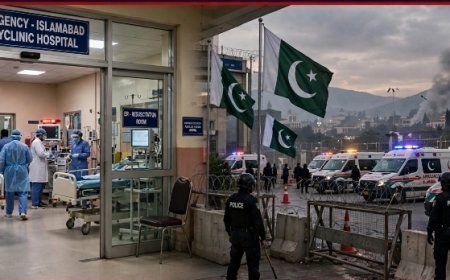
Protests erupted in PoK led by the Jammu Kashmir Joint Awami Action Committee (JK-JAAC)/Awami Action Committee over a 38-point Charter of Demands. Key demands include abolishing 12 "refugee seats" in PoJK's assembly, rollback of elite privileges, subsidies on food and electricity, and better governance. The agitation intensified after protesters in Rawalakot declared PM Shehbaz Sharif, Field Marshal Asim Munir, PoJK PM Faisal Mumtaz Rathore and President Asif Ali Zardari as "Qalandam" or "terrorists". According to reports, 53 people have been killed since last Friday in the crackdown. Other reports cite 12, 27, and 12 civilian deaths at different stages. Authorities also imposed internet and mobile blackouts, and deployed thousands of troops.
Govt's U-turn: From crackdown to talks:
Initially, the government took a tough stance. Officials said murder cases under Section 302 would not be dropped and warned of strict action against "violent mobs". However, as protests grew and casualties rose, Shehbaz Sharif expanded a high-level negotiation committee including Senator Rana Sanaullah, Ministers Sardar Yusuf and Ahsan Iqbal, and others. The team reached Muzaffarabad for talks toward "an immediate and lasting solution". Shehbaz Sharif appealed to citizens to maintain peace, stating "peaceful protest was the constitutional and democratic right of every citizen"* and urged law enforcement to exercise restraint. Federal Minister Tariq Fazal Chaudhry said "90 per cent of the committee's demands have already been accepted".
Protesters' stand:
JK-JAAC leaders welcomed talks but demanded an immediate end to the communication blackout. They warned that restrictions and highway blockades had intensified public anger. The Awami Action Committee also warned: “this is not Sindh, Balochistan or D Chowk; this is Kashmir, where if one body falls, millions come onto the streets”.
International angle:
The unrest triggered global protests by diaspora in London, with 50 British MPs urging the UK government to intervene over "baric" actions. India’s MEA condemned the violence and said there were reports of "severe police brutality".
Facing mounting deaths and domestic pressure, Shehbaz Sharif's government has moved from a hardline approach to offering negotiations, calling for calm while trying to defuse one of the most serious episodes of unrest in PoK in recent years.