SIR Controversy: Detentions, Demonstrations and Growing Debate Over Voter Rights
 frame and share


Anti-SIR Protests Continue: Rahul Gandhi, Abhijeet Dipke and Citizens Challenge Electoral Roll Revision
New Delhi: Protests against the Election Commission’s Special Intensive Revision (SIR) of electoral rolls have intensified, bringing together opposition leaders, activists, student groups and citizens demanding greater transparency in the voter-list revision process.


Congress leader Rahul Gandhi and founder of the Cockroach Janata Party (CJP), Abhijeet Dipke, have emerged as prominent figures in separate but related demonstrations challenging the SIR exercise and demanding accountability from Chief Election Commissioner Gyanesh Kumar.


Rahul Gandhi Leads Opposition’s Protest
On October 6 and 7, Rahul Gandhi joined opposition leaders and INDIA bloc MPs in demonstrations in New Delhi, demanding Gyanesh Kumar’s resignation and raising concerns over the electoral roll revision. The opposition has alleged that the exercise could lead to the exclusion of eligible voters and undermine public confidence in the electoral process. The Election Commission and the government have denied allegations of wrongdoing.
Abhijeet Dipke’s CJP Mobilisation
Meanwhile, CJP founder Abhijeet Dipke called for a major demonstration at Jantar Mantar on October 10. The campaign seeks Gyanesh Kumar’s resignation, the scrapping of the SIR exercise and changes to the process for selecting election commissioners.
Dipke had said he was prepared to face detention or arrest but urged supporters to continue the movement peacefully. However, Delhi Police detained Dipke and fellow CJP leaders Saurav Das and Ashutosh Ranka after they arrived in the capital by air, before they could reach the protest site.
Following his detention, Dipke handed over responsibility for leading the CJP demonstration to Ajinkya Shinde, according to reports. Source: NDTV
Citizens Raise Concerns Over Voter Rights
The protests have also drawn activists, students and citizens concerned about the possible consequences of changes to electoral rolls. Critics argue that documentation requirements and errors in the revision process could prevent eligible voters from exercising their democratic rights.
Demonstrators have called for transparent procedures, accessible grievance-redressal mechanisms and safeguards to ensure that no eligible voter is excluded. The Election Commission, however, maintains that the revision process is intended to improve the accuracy of electoral rolls by identifying duplicate and ineligible entries.
Detentions Bring Right to Protest Into Focus
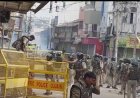
The latest demonstrations have triggered a wider debate over the balance between public order and the constitutional right to peaceful assembly. Reports of detentions and extensive security restrictions in Delhi have drawn criticism from opposition leaders and protest organisers.
Authorities have cited security and public-order considerations, while critics argue that restrictions should not prevent peaceful dissent.
What Lies Ahead?
The SIR controversy has moved beyond legal and political exchanges into sustained street protests. Opposition parties, CJP organisers and civil society participants are continuing to press for accountability, transparency and protection of voting rights.
The central questions remain whether concerns over possible voter exclusion will be adequately addressed, what safeguards will be provided to eligible voters and how the Election Commission will respond to demands for greater transparency.
As the protests continue, the issue is likely to remain a significant point of contention between the opposition, civil society groups and the authorities.