Constitutional Rights vs. Police Restrictions: India's Right to Peaceful Protest
 frame and share


Peaceful Protest Is a Fundamental Right, Not a Crime: Questions Over Government's Handling of Dissent Peaceful protest is one of the most important pillars of democracy. It gives ordinary citizens the freedom to raise their voices, question those in power and demand accountability without resorting to violence. However, the recent handling of protests in the national capital has raised serious questions about the protection of democratic rights and the government's response to public dissent.
Constitutional Rights Must Be Respected


The Indian Constitution guarantees freedom of speech and expression under Article 19(1)(a) and the right to assemble peacefully and without arms under Article 19(1)(b). These freedoms allow citizens to express disagreement with government decisions and demand answers from public institutions.


Although these rights are subject to reasonable restrictions, any restrictions imposed on peaceful demonstrations should be lawful, necessary and proportionate. Maintaining public order is a legitimate responsibility of the authorities, but it should not become a reason to silence every form of criticism.
Thousands Detained During Delhi Protest
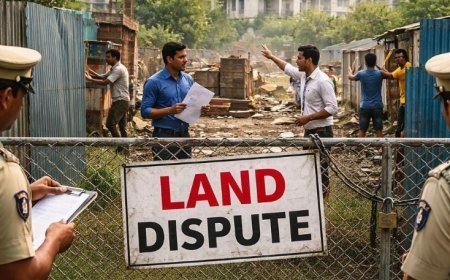
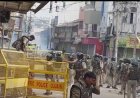
On October 10, 2026, Delhi Police detained more than 3,000 people, according to reports, as demonstrators attempted to reach Jantar Mantar for a protest related to the Special Intensive Revision (SIR) of electoral rolls and demands for accountability from the Election Commission.
Authorities had denied permission for the planned gathering, citing procedural requirements and concerns relating to public safety and traffic management. Police also imposed extensive security restrictions across parts of the capital. Opposition leaders criticised the action, arguing that it restricted the space available for democratic dissent.
The incident has raised an important question: when citizens wish to express their grievances peacefully, should the first response be mass detention and restrictions, or should authorities seek a lawful way to facilitate their demonstration?
Supreme Court's Stand on Peaceful Demonstrations
The Supreme Court of India has recognised peaceful protest as an important constitutional freedom. In its 2018 judgment in Mazdoor Kisan Shakti Sangathan v. Union of India, the Court discussed the importance of allowing citizens to assemble and express grievances while balancing these freedoms with public order and the rights of others.
In July 2026, the Supreme Court also reiterated that peaceful, lawful agitation does not by itself justify excessive police action.
These principles underline the need for restraint, accountability and proportionality whenever the authorities deal with demonstrations.
Democracy Requires the Freedom to Disagree
A healthy democracy is not measured only by elections or the strength of its institutions. It is also measured by how it treats citizens who disagree with those in power.
Peaceful demonstrators should not automatically be treated as troublemakers simply because they question a government policy or demand accountability. At the same time, organisers and participants must respect the law and the rights of others.
The government and law-enforcement agencies have a responsibility to protect public safety while ensuring that constitutional freedoms remain meaningful in practice. Restrictions on demonstrations should be justified by specific circumstances, not merely by the fact that people have gathered to express opposition.
The Way Forward
Instead of allowing confrontations to deepen public mistrust, authorities should encourage dialogue, communicate clear reasons for restrictions and provide reasonable alternatives for peaceful demonstrations. Any allegations of unlawful detention or excessive force should be examined through appropriate legal and independent mechanisms.
The message is clear: peaceful protest is not an attack on democracy; it is one of the ways democracy functions. A democratic government demonstrates its strength not by avoiding criticism, but by responding to it lawfully, transparently and with respect for the Constitution.