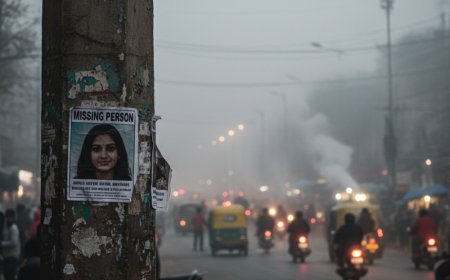
Spiking Trucks With Nails to Save Cows: Blessing in Disguise or Road Crime? Law Exists, But Enforcement Lags.
 frame and share


Short answer: It’s a curse, not a blessing.
Throwing nails/spike blocks on highways to stop cattle trucks endangers everyone and is illegal. The government does have laws against it, but enforcement is weak and politically messy.


Blessing in disguise or curse?
Curse – here’s why:
Impact What actually happens
Human lives at risk High-speed trucks hitting nails can blow tires, roll over, kill drivers, cleaners, and other road users. Bikes/cars behind also crash. You’re playing with human deaths.
Animals suffer more Panicked braking/rollovers crush cows/goats inside. Injured animals die slowly. If the goal is “gau-raksha”, this defeats it.
Illegal vigilantism IPC 279 rash driving, IPC 336 endangering life, IPC 427 mischief, and Motor Vehicles Act violations. Supreme Court in Tehseen Poonawalla vs Union of India, 2018 ordered states to stop cow vigilante violence.
Law & order breakdown When private groups police highways with nails, it normalizes mob justice. Next time it could be used for any cause
“Blessing” argument some use:
Some gau-rakshaks claim “if we didn’t stop it, 40 cows would be slaughtered”_. But Indian law already bans cow slaughter in most states. The legal route is: inform police/RTO, get FIR, let courts punish. Saving cows by risking human death fails both legal and moral tests.
Why hasn’t government stopped this? 3 real reasons.
A. Laws exist, enforcement is patchy
IPC 336/337/338: Endangering life or causing hurt by rash act. Up to 2 years jail.
IPC 283: Danger/obstruction in public way. Up to Rs 200 fine – too weak for 2026.
Prevention of Damage to Public Property Act: Jail up to 5 years for damaging roads.
Supreme Court 2018 order: Every district must appoint nodal officer to prevent cow vigilantism.
Problem: Police often book truck driver under cattle transport laws but let nail-throwers go due to local pressure.
Political + social cover
In many states, gau-rakshak groups have backing from local politicians or religious bodies. Arresting them risks “anti-Hindu” backlash. So cops take “compromise” route. After the 2026 Bakrid advisory, several clerics themselves asked for _stricter state action against vigilantes_ to stop lynchings.
Gap in “attempt to murder” application
Throwing nails at 80 kmph truck = knowledge that death is likely. That fits *IPC 307 attempt to murder. But FIRs are usually filed under bailable “mischief” sections. Courts need police to invoke stronger sections. Without that, bail is instant and deterrence dies.
What should actually happen?
Specific law: Parliament can amend Motor Vehicles Act “Laying nails/spikes on public road = 7 years + non-bailable”. Tamil Nadu already proposed this in 2024 after ambulance deaths.
Police SOP: If cattle truck suspected, only RTO/police can intercept at toll nakas, not by chasing or spikes.
Fast-track courts: As SC ordered, try vigilante violence in 6 months.
Report, don’t attack: If you see illegal cattle transport, dial 112. Taking law in hand makes you the criminal.
Cow protection is legal in most states. Human life is protected in all states. You can’t save one by risking the other. Spiking highways is a crime, not seva.
The practice of throwing nails and spike blocks to stop trucks allegedly carrying cows or goats at high speed has sparked fresh debate after a series of accidents on national highways. While some cow protection groups call it a “necessary step to save gau-mata”road safety experts, police, and courts have termed it a “curse that risks human lives”
In multiple states, self-styled _gau-rakshaks_ have been laying homemade spikes or throwing nails to puncture tyres of suspected cattle trucks. The sudden tyre burst at 80-100 kmph often leads to trucks overturning, killing drivers, cleaners, and even other motorists. In April 2026, an ambulance in Rajasthan crashed into a spiked truck, leaving 3 dead.
“Panicked braking and rollovers crush the same animals we want to save. Injured cows die in pain. This is not raksha, this is cruelty,”said a PETA India spokesperson.
IPC Section 336, 337, 338: Endangering life or causing hurt by rash act. Punishable up to 2 years.
IPC Section 283: Obstruction in public way.
Prevention of Damage to Public Property Act: Up to 5 years jail for damaging highways.
Supreme Court 2018 order in _Tehseen Poonawalla vs Union of India Directed all states to appoint nodal officers and prevent cow vigilantism.
Then why is it still happening?
Weak enforcement: Police often book truck drivers under cattle transport rules but avoid strong action against vigilante groups due to “local political pressure”a senior IPS officer said on condition of anonymity.
Low FIR sections: Instead of IPC 307 ‘attempt to murder’, cases are filed under bailable ‘mischief’, leading to instant bail and no deterrence.
Political cover :In several districts, gau-rakshak outfits enjoy support from local leaders. “Action risks being called anti-Hindu,” said a former DGP.
Government’s stand:
The Centre maintains that “cow protection is a state subject”and "vigilantism will not be tolerated”. After Bakrid 2026, prominent Muslim clerics also demanded "stricter state action against vigilantes to stop lynchings and highway crimes”
What legal experts suggest:
Amend Motor Vehicles Act: Make _“laying spikes on public roads” a non-bailable offence with 7-year jail. Tamil Nadu moved a similar proposal in 2024.
Standard police SOP: Only RTO/police can intercept suspected trucks at toll nakas. No chasing or spikes by civilians.
Fast-track trials: Implement SC’s 2018 order to complete vigilante violence cases in 6 months.
Cow slaughter is banned in 20+ states. The legal remedy is FIR, seizure, and court trial. _“You cannot save animals by risking human death. Throwing nails makes you a criminal, not a saviour,”said Justice A.K. Sikri (Retd), Supreme Court.
Police advisory: Dial 112 if you suspect illegal cattle transport. Taking law into your own hands invites prosecution.