Trump Tells China: Protect Your Own Oil in Strait of Hormuz
Donald Trump signals a shift in Middle East policy, urging China to protect its own tankers in the Strait of Hormuz as he avoids further conflict with Iran.
 frame and share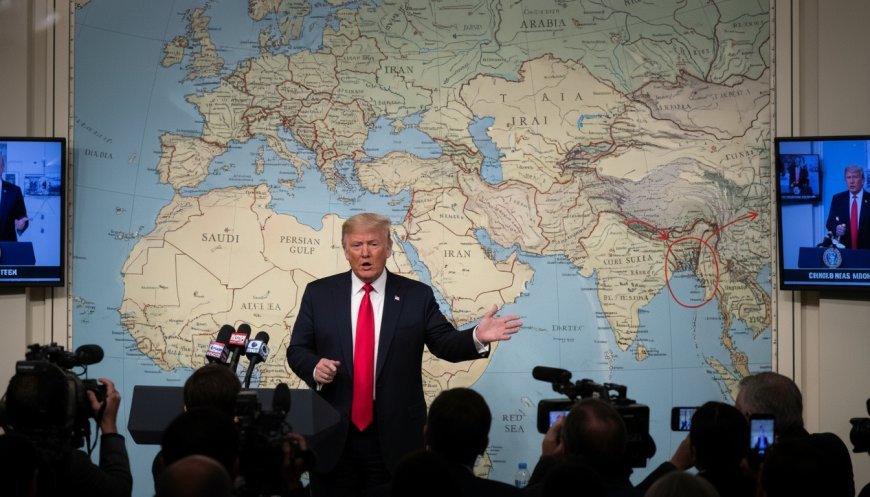


Trump Redefines US Role in the Middle East
In a significant shift of geopolitical strategy, Donald Trump has signaled a desire to distance the United States from long-standing maritime policing duties. Addressing the tensions in the Strait of Hormuz, Trump has suggested that the U.S. is moving toward a policy that avoids direct military engagement with Iran while demanding that other nations pull their weight.
'We Are Not the World's Policeman'
Trump has publicly challenged major oil importers, specifically China, to take responsibility for the security of their own maritime trade routes. 'We are not the world's policeman,' Trump remarked, pointing out the disparity in resource protection. He noted that China receives nearly 90% of its oil through the strait and argued that they should be the ones providing the military escort for their own tankers.


Impact on Global Oil Security
The Strait of Hormuz is recognized as the world's most critical oil transit chokepoint. By suggesting that allies and adversaries alike provide their own naval protection, Trump is effectively looking to say 'bye-bye' to the prospect of a U.S.-led war over regional shipping disruptions. This move places the onus on Beijing to secure its energy supply, a shift that could fundamentally reshape U.S.-China relations and the power balance in the Persian Gulf.
Critics argue this could lead to increased instability, while supporters view it as a necessary step to prioritize American interests and reduce military spending abroad. As the situation develops, the international community watches closely to see if China will step up its naval presence in the Middle East.