Shanghai Stem Cell Trial Restores Natural Insulin in Diabetic Patient, Offers Hope for Long-Term Cure.
 frame and share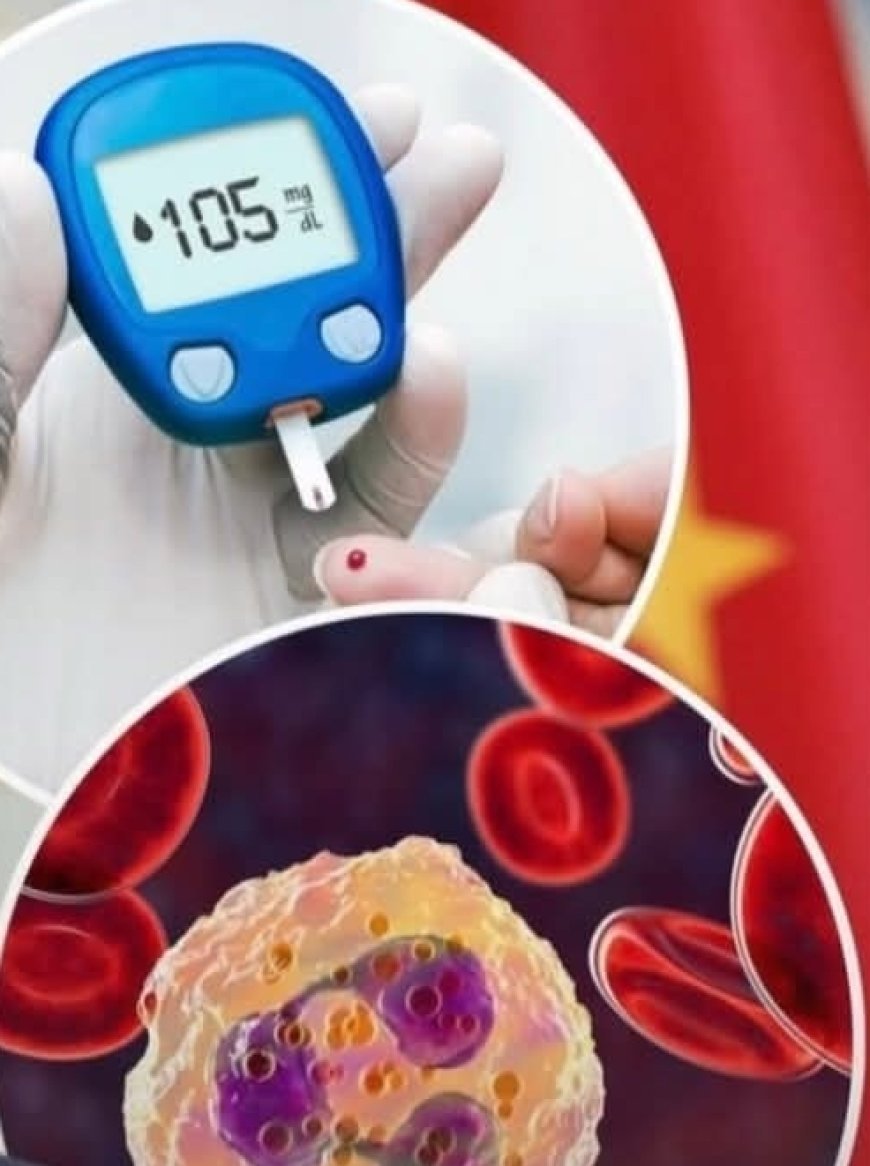


Chinese Researchers Turn Stem Cells Into Insulin Factories; Early Trial Raises Global Hopes for Type 1 & 2 Diabetes
Stem Cell Therapy Shows Promise in Restoring Insulin Production in Diabetes Patients.


Shanghai, May 2026: Researchers in Shanghai are testing an innovative stem cell therapy that can transform into insulin-producing pancreatic cells, potentially enabling the body to naturally restore blood sugar controll. The approach is being hailed as a possible long-term solution for both Type 1 and Type 2 diabetes.


Key findings from pilot study:
Patient background: A volunteer who had lived with diabetes for over 25 years received a transplant of laboratory-grown pancreatic islet cells derived from stem cells.
Remarkable outcome: Following the procedure, the patient’s body began producing insulin naturally again For more than 30 months, the patient has maintained stable blood sugar levels without insulin injections.
Global impact: The results have drawn significant attention from the international scientific community, as current treatments manage diabetes but do not cure it.
Why this matters:
Beyond management: Unlike daily insulin shots or drugs, this therapy aims to replace the damaged pancreatic cells that cause diabetes, addressing the root cause.
2Broad potential: If successful, it could benefit people with Type 1 diabetes, who produce no insulin, and Type 2 diabetes. where insulin production or function is impaired.
Caution ahead research still early:
Despite the promising outcome, scientists emphasize that the work is in early-stage trials. Key next steps include:
Larger studies: More patients must be tested to confirm results are repeatable.
Long-term safety: Researchers need to verify that the transplanted cells remain safe and effective for years, with no risk of tumors or immune rejection.
Scalability: Manufacturing and delivery methods must be proven viable for large-scale use.
Expert take:While not yet a cure, the Shanghai trial marks one of the most advanced steps toward a functional cure for diabetes. Regulatory approval and widespread use could still be years away.
Source: Pilot clinical data, Shanghai-based research team, May 2026.