Regenerative Therapies Offer New Hope for Osteoporosis
 frame and share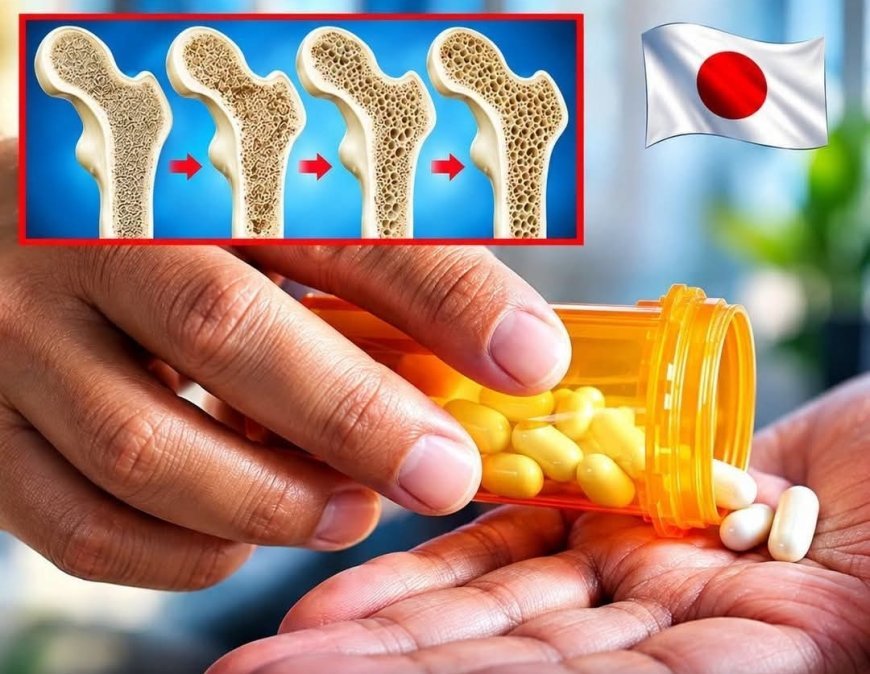


New Bone-Building Treatments Could Go Beyond Simply Slowing Bone Loss
Osteoporosis is a systemic skeletal disorder in which bones become weaker and more fragile because of reduced bone density and deterioration of bone tissue. The condition significantly increases the risk of fractures, particularly among older adults.


Scientists are exploring new approaches in regenerative medicine that aim to address the cellular mechanisms responsible for bone loss. Rather than focusing only on slowing the breakdown of bone, researchers are investigating therapies that could stimulate the body's natural ability to build new bone.


Bone remodeling depends on a balance between osteoclasts, which break down old bone tissue, and osteoblasts, which produce new bone. When bone loss outpaces bone formation, skeletal strength gradually declines. Newer treatments seek to enhance bone-forming activity and restore bone mass.
Some experimental and emerging oral therapies use biological signaling pathways to encourage bone formation. However, the term “regenerative pill” should be treated cautiously: there is currently no universally established oral medicine that can simply reverse osteoporosis and fully regenerate damaged bone.
Researchers are continuing to study whether newly formed bone can remain strong and durable over the long term, as well as how effectively such treatments can reduce fracture risk.
If regenerative approaches prove safe and effective in clinical trials, they could complement existing osteoporosis treatments and provide additional options for people with severe skeletal fragility.
The development of targeted molecular therapies represents an important direction in bone medicine. For millions of people affected by osteoporosis, the ultimate goal is not merely to slow bone loss but to restore bone strength, reduce fractures and preserve mobility and independence.