‘Jailed For Hoisting The Tricolour?’: The Case Of Abhijeet, Ashutosh And Saurav Sparks Debate On Patriotism, Protest And The Law
 frame and share


NEW DELHI: The Indian national flag is more than just a piece of cloth. For millions of Indians, the Tricolour represents independence, unity, sacrifice, and the countless people who fought for India’s freedom. It is a powerful symbol of patriotism and national identity.
That is why any controversy involving the national flag immediately attracts public attention and raises strong emotions.
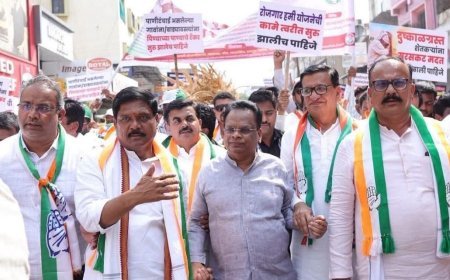
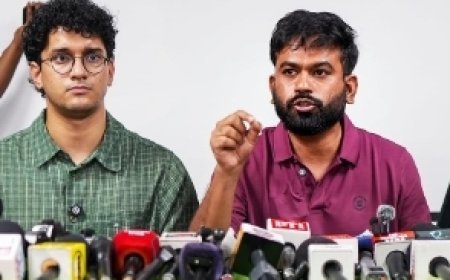
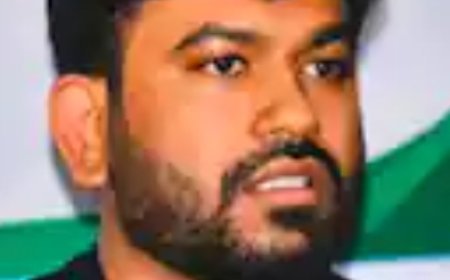
The case involving Cockroach Janta Party (CJP) founder Abhijeet Dipke, and leaders Ashutosh Ranka and Saurav Das has drawn attention because of the claim that they became the first Indians since 1947 to be jailed for hoisting the national flag.
What The Case Is About:
Dipke, Ranka and Das are linked to the ongoing CJP protests over alleged electoral fraud and the Special Intensive Revision (SIR) of voter rolls.
Ranka and Das are currently in judicial custody after trespass at Jantar Mantar, which was denotified as a protest site last week.
Dipke was detained on Oct 16 ahead of the planned ‘Lehra Do Tiranga’ march at Connaught Place, where the plan was to wave the Tricolour. He was released on Oct 17 after a Delhi court granted conditional bail on a Rs 50,000 peace bond.
Supporters and party social media pages are now framing the arrests as a case of people being jailed for hoisting the flag, while police records cite trespass, breach of peace, and violation of protest norms as the grounds.
Why It Matters:
For many people, the Tricolour represents the freedom and rights that India gained after independence. They believe that respect for the national flag should go hand in hand with protecting the fundamental freedoms and democratic values enshrined in the Constitution.
At the same time, the specific circumstances and legal grounds of any arrest are important when evaluating what happened.
The incident has become a topic of discussion about patriotism, civil liberties, and the meaning of national symbols in a democracy. It also raises an important question: what circumstances led to this controversy, and what does the case mean for the relationship between national pride and freedom of expression?
India’s Tricolour belongs to the nation and holds a special place in the hearts of its people. Every incident involving the flag reminds us of the importance of understanding the facts, respecting the national symbol, and protecting democratic values.
The Debate:
Should hoisting the national flag during a protest be protected as an expression of patriotism, subject to the law? That is the question now being discussed widely online and in political circles.