Oil Jumps 6% As US-Iran Clashes Threaten Global Shipping Lane.
 frame and share


TRUMP DECLARES APRIL CEASEFIRE OVER, ORDERS NEW STRIKES ON IRAN.
US President Donald Trump declared the shaky ceasefire agreed in April and MoU signed in June as "over" during the NATO summit in Ankara.


Hours later, US forces launched new strikes on multiple targets in Iran, including coastal areas of Bandar Abbas and Sirik.


CENTCOM said the strikes were to "further degrade their ability to threaten freedom of navigation in the Strait of Hormuz"
TIT-FOR-TAT ATTACKS IN STRAIT OF HORMUZ:
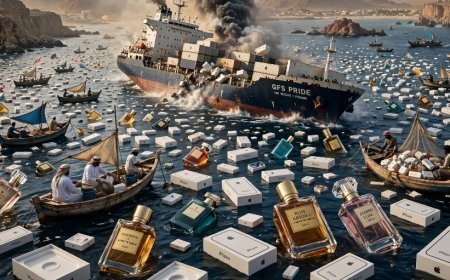
The escalation began after Iran fired missiles and drones at 3 ships transiting the Strait of Hormuz, including an LNG tanker.
Iran then struck 85 American military sites in Bahrain and Kuwait, and the US hit more than 80 targets in and near the strait.
Trump called Iran’s leaders “cuckoo,” “scum,” “liars,” and “vicious, violent people”.
Tehran responded: “If you strike, you’ll get hit”.
OIL PRICES SOAR, GLOBAL MARKETS SHAKEN:
The renewed fighting pushed oil up 6% to $78.70 a barrel. Global stocks and bond prices tumbled as Trump declared the peace deal dead.
The Strait of Hormuz remains “precarious” and experts say attacks likely won’t remove Iran’s ability to threaten shipping.
TRUMP THREATENS BLOCKADE + "KNOCK DOWN EVERY BRIDGE"
Trump threatened to reimpose a naval blockade on Tehran, “knock down every bridge in Iran in one day” and take over Kharg Island, Iran’s strategic oil hub.
JD Vance warned the US would “punch back harder than ever”if Iran keeps shooting at ships.
Iran has also repaired hundreds of missiles since the April ceasefire and now has more than half of its pre-war capability.
DIPLOMACY ON HOLD:
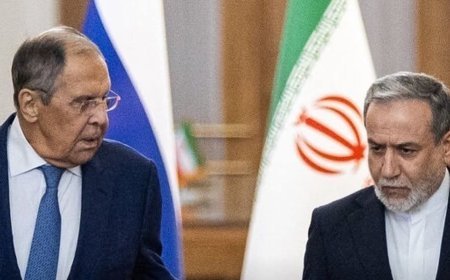
Trump had earlier proposed a 2-week ceasefire if Iran reopened the Strait of Hormuz, but talks collapsed.
Iran refused to attend US-led talks in Pakistan, citing the US blockade. Pakistan mediators asked Trump to hold off strikes, but he extended the ceasefire only until Iran submitted a new proposal.
The April ceasefire has collapsed. Both US and Iran are hitting dozens of targets, oil markets are volatile, and diplomacy is stalled. The Strait of Hormuz remains the main flashpoint.