CHINA TEST-LAUNCHES BALLISTIC MISSILE IN SOUTH PACIFIC NUCLEAR-FREE ZONE, DRAWS GLOBAL CONCERN.
 frame and share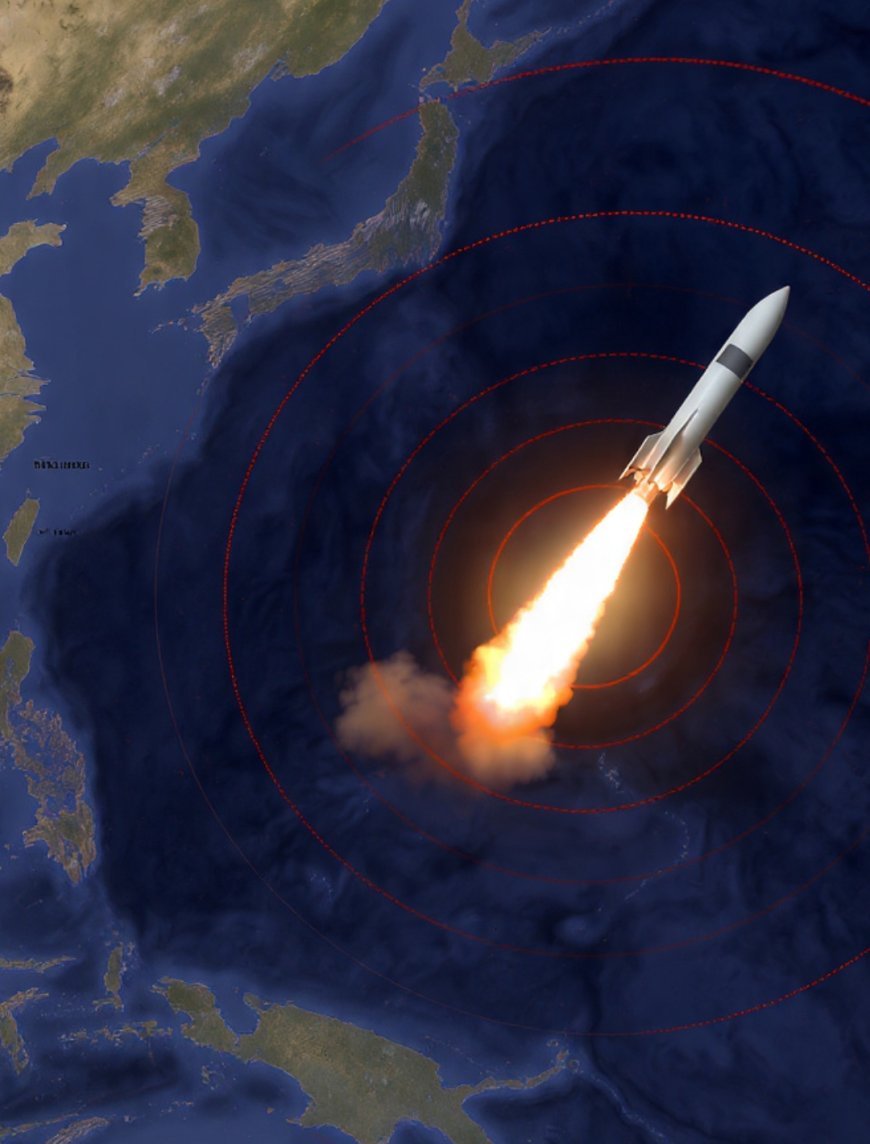


#China #BallisticMissile #SouthPacific #NuclearFreeZone #Geopolitics #US #Australia #NewZealand.
WHAT HAPPENED:


On Monday, July 6, 2026, China's military test-launched a long-range ballistic missile from one of its nuclear-powered submarines into the South Pacific Ocean .The missile was launched at 12:01 p.m. and carried a dummy warhead. According to experts, it was most likely a JL-2 submarine-launched ballistic missile with a range of about 8,000 km. The missile likely overflew parts of the Philippines before landing in the designated area.


This marks China’s most significant long-range ballistic missile test since September 2024 and only the second time since 1980 that China has fired a ballistic missile into international waters.
LOCATION: SOUTH PACIFIC NUCLEAR-FREE ZONE:
The missile landed in the South Pacific Nuclear Free Zone, established under the 1986 Treaty of Rarotonga.The treaty prohibits the testing and deployment of nuclear explosive devices in the region. China ratified the protocols in 1987, pledging not to test nuclear weapons within the zone.
While the test did not involve a nuclear warhead, Pacific nations raised concerns about whether such launches are consistent with the "spirit of the treaty".
GLOBAL REACTION:
United States: Expressed concern, saying Beijing's "rapid and opaque nuclear weapons buildup is of great concern". The US said the few hours’ notice it received fell "considerably short" of standards and urged China to enter arms control talks.
Australia: Foreign Minister Penny Wong called the test "destabilizing to the region".
New Zealand: Said it was informed hours beforehand but troubled by a "recurring pattern". FM Winston Peters said China carried out the test "within hours of informing us".
Japan: Voiced "serious concerns" over Beijing's growing military activity.
China: The PLA Navy called it a "routine arrangement of annual training" and said relevant countries were informed in advance. The Defense Ministry said efforts to modernize nuclear forces are to "safeguard national strategic security".
Analysts say the test shows China is moving toward a more survivable sea-based nuclear deterrent and demonstrates capability to target from submarines close to Chinese waters.