7 Countries That Could Be Better Prepared to Survive a Global Catastrophe
 frame and share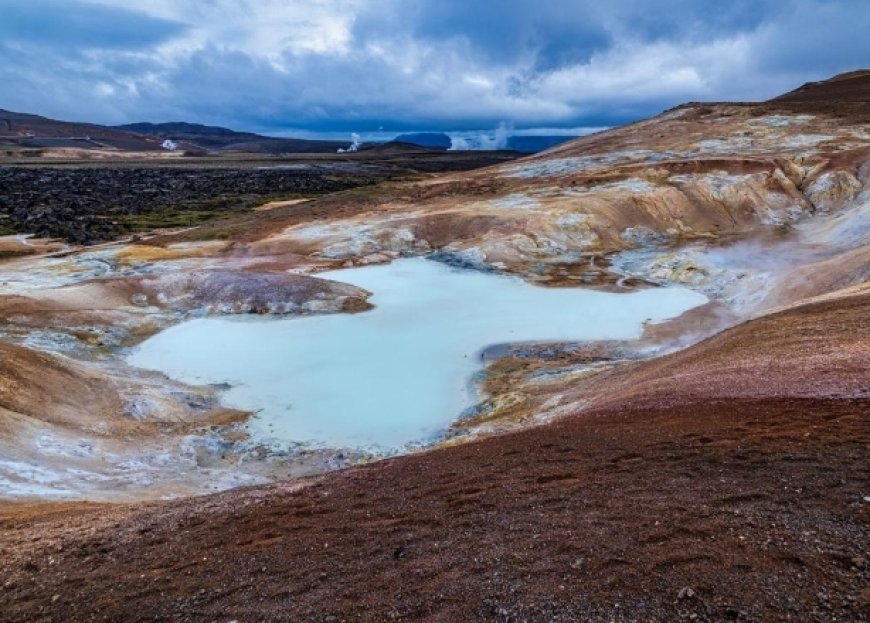


What if a massive global catastrophe disrupted food supplies, energy systems, international trade and modern infrastructure? Could some countries manage to keep their societies functioning while much of the world struggles to cope?
Research into global catastrophic risks suggests that certain countries may have better starting conditions than others because of their geographical isolation, food production, renewable energy resources, governance and ability to maintain essential infrastructure.


A 2021 study published in the journal Sustainability examined the possibility of “nodes of persisting complexity” — places that could potentially retain elements of modern society even if global systems underwent widespread collapse. The study shortlisted New Zealand, Iceland, the United Kingdom, Australia and Ireland, with New Zealand considered the strongest candidate.


The Five Countries Identified in the 2021 Study
1. New Zealand
New Zealand emerged as the strongest candidate because of its geographical isolation, agricultural capacity and access to renewable energy. Its distance from major global population centres could also reduce exposure to some worldwide disruptions.
2. Iceland
Iceland has abundant geothermal and hydropower resources, giving it significant domestic energy advantages. Its relatively small population and isolated location are additional factors considered favourable.
3. United Kingdom
The UK was included because of its infrastructure, energy resources and ability to maintain complex systems. However, the researchers noted that its position was more complicated than that of the other shortlisted nations.
4. Australia
Australia's large landmass, agricultural production and substantial energy resources could provide important advantages during a severe global disruption. Tasmania was also highlighted for its favourable combination of agriculture, climate and energy resources.
5. Ireland
Ireland's agricultural potential, relatively temperate climate and geographic position contributed to its inclusion among the countries assessed as having favourable conditions.
Why Are These Countries Considered More Resilient?
Researchers looked at factors such as food production, energy availability, manufacturing capability, geographical isolation and vulnerability to environmental changes. The basic idea is that a country less dependent on fragile international supply chains may have a better chance of keeping essential systems running during a prolonged global crisis.
Where Do the Other Two Countries Come From?
A later study examining abrupt sunlight-blocking catastrophes, such as nuclear winter, major volcanic eruptions or asteroid impacts, highlighted additional locations that could potentially remain comparatively resilient. Research in this area has identified places including Solomon Islands and Vanuatu because of their food-producing capacity under certain extreme scenarios.
However, scientists stress that no country is completely safe from a global catastrophe. Different disasters produce very different effects, and a country that performs well in one scenario may face serious vulnerabilities in another.
The broader lesson is that survival would depend not only on geography, but also on food security, energy independence, infrastructure, governance, local manufacturing and the ability of communities to adapt when global supply chains fail.