Fragile Ceasefire Shatters: U.S. Strikes Iran After Cargo Ship Attack; IRGC Says It Hit American Bases in Retaliation.
 frame and share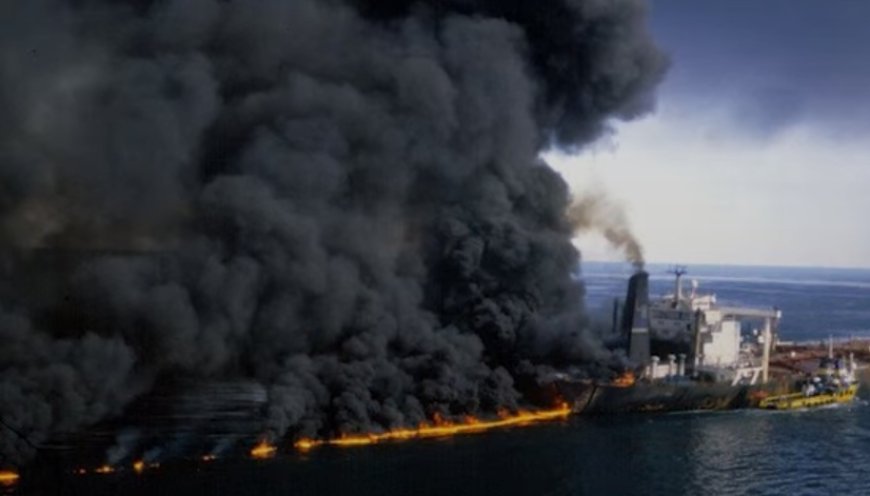


Washington/Tehran, June 27, 2026.


What Triggered the New Round.


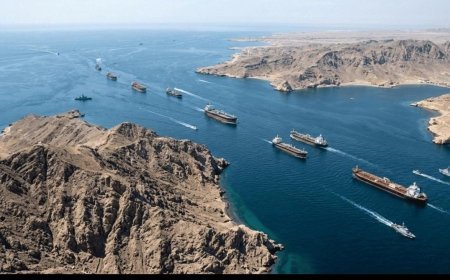
The fragile U.S.ran ceasefire broke down Friday Saturday after a drone strike hit a cargo vessel in the Strait of Hormuz on June 25. President Donald Trump said Iran launched “at least four One Way Attack Drones”at ships, with one hitting the “upper deck of a large and very expensive Cargo Carrying Ship.” He called it a “foolish violation of our Ceasefire Agreement”.
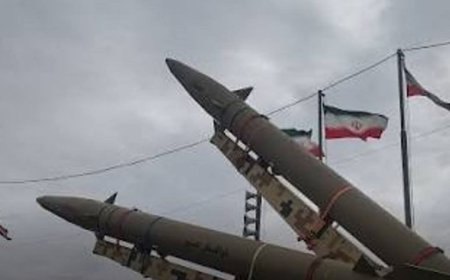
In response, U.S. Central Command said U.S. forces “conducted strikes against Iran, June 26, as a powerful response”. Targets included Iranian missile and drone storage locations and coastal radar sites.
Iran’s Retaliation: IRGC Claims Base Attacks.
On Saturday June 27, Iran’s Islamic Revolutionary Guard Corps said its naval forces had “targeted U.S. military positions across the region” in retaliation for American airstrikes on Iranian coastal areas.
Iranian state TV reported the IRGC said they “hit U.S. sites in the Gulf” and warned “if the aggression is repeated, our response will be broader than this”.
Earlier IRGC claims in the 120-day war included:
Attacking the U.S. Fifth Fleet headquarters in Bahrain and an airbase and helicopters with missiles and drones
Targeting a U.S. airbase after strikes near Bandar Abbas Airport.
Missile/drone strikes on U.S. Al-Azraq Air Base in Jordan and Ali Al Salem Air Base in Kuwait.
U.S. response: CENTCOM has repeatedly denied successful Iranian strikes, calling IRGC claims “FALSE” and saying “All Iranian attacks on American forces failed”. It said 7 Iranian ballistic missiles launched toward Kuwait and Bahrain were either intercepted or “fell short or broke apart”.
Damage and Casualties.
Bahrain: Satellite imagery shows damaged buildings at a U.S. base after Iranian strikes in February and June. Rebuilding could cost $400 million.
Strait of Hormuz: U.K. Maritime Trade Operations reported a tanker “struck by an unidentified projectile” with damage to the bridge, but “all crew are reported safe”.
Kuwait: Debris from a downed Iranian Fateh-110 missile fell on Ali Al Salem Air Base, injuring American soldiers and contractors and destroying a U.S. Reaper drone.
No new Pentagon-confirmed U.S. military deaths reported as of June 26.
Both Sides Blame Each Other.
U.S.: CENTCOM said strikes were “self-defense” against “unwarranted aggression against commercial shipping”. VP JD Vance posted: “Violence will be met with violence”.
Iran: IRGC accused the U.S. of violating ceasefire commitments. MP Ebrahim Azizi said: “This is not a violation of the ceasefire; it is ceasefire management”. He added the U.S. “attacked Iran in the middle of negotiations”.
Strategic Fallout.
The Strait of Hormuz, carrying a fifth of the world’s oil, remains largely blocked with 80 naval mines yet to be cleared. The IMO paused seafarer evacuations after the cargo ship strike.
Analysts say the exchange “has transformed long-standing concerns over Iran’s missile and drone capabilities into an urgent strategic challenge”for Washington.
After a brief MoU and ceasefire in April, direct U.S.Iran strikes resumed June 26-27. Both claim retaliation and blame the other for breaking the deal. The IRGC says it destroyed/damaged U.S. bases ,CENTCOM says all Iranian attacks failed. The conflict now threatens Gulf shipping, oil prices, and regional bases from Bahrain to Jordan. Diplomatic efforts are “under fresh strain”.