Poor vs Rich: The Real Divide Isn’t Just Money.
 frame and share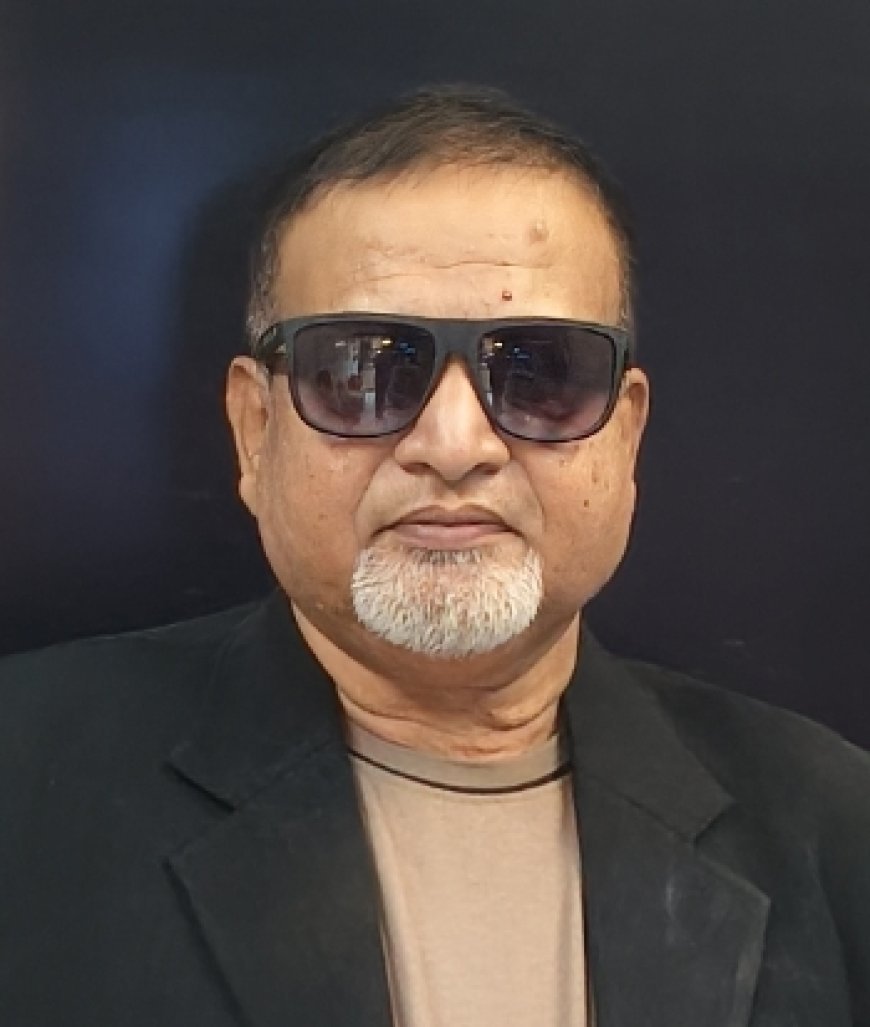


Nobel laureate Abhijit Banerjee says GDP growth misses the point income, health, education and opportunity define who gets ahead.
The gap between rich and poor isn’t only about bank balances. It’s about how different the rules feel depending on which side you’re born on.


Money Compounds. So Does Poverty.


For the rich, money makes more money. Investments, assets, networks, and access to credit turn capital into more capital. For the poor, small shocks compound too a medical bill, a lost job, a failed crop. One setback can wipe out years of progress. The rich have buffers. The poor have cliffs.
Time Costs Differ.
A rich person buys time — private transport, domestic help, better healthcare that prevents long waits. A poor person spends time — in queues for rations, on crowded buses, waiting months for hospital beds. That lost time can’t be spent earning, learning, or resting. Nobel laureate Abhijit Banerjee argues this is why GDP growth alone doesn’t capture lived reality.
Risk vs Security.
The wealthy can afford to take risks: start a business, switch careers, invest in a new skill. If it fails, they have a safety net. The poor play defense. One bad bet means no rent, no food, no school fees. So they stick to “safe” low-return work, which keeps them poor.
Knowledge Is the New Currency.
Banerjee also flags that intellectual property and knowledge-based assets now drive economic opportunity. The rich have early access to quality education, digital tools, and mentors who teach the rules of the game. The poor often get rote learning and outdated skills. The gap widens every time the economy shifts to something new.
What Actually Closes the Gap?
It’s not just redistribution. The data points to four levers:
Income: Stable, dignified jobs over handouts
Healthcare: Preventing one illness from becoming bankruptcy
Education: Skills that match today’s economy, not yesterday’s
Opportunity: Credit, legal help, and networks that aren’t gated by birth
GDP can rise while people’s lives don’t. As Banerjee put it, “An increase in GDP does not mean that the lives of ordinary people have also improved.” The real measure is whether a kid born poor has a realistic shot at not dying poor.
The rich-poor divide is a divide in shock absorption, time, risk tolerance, and access to knowledge. Money is the symptom. Opportunity is the disease.