"From Khejarli To Narmada: The 4 Grassroots Movements That Shaped India's Environmental Activism"
 frame and share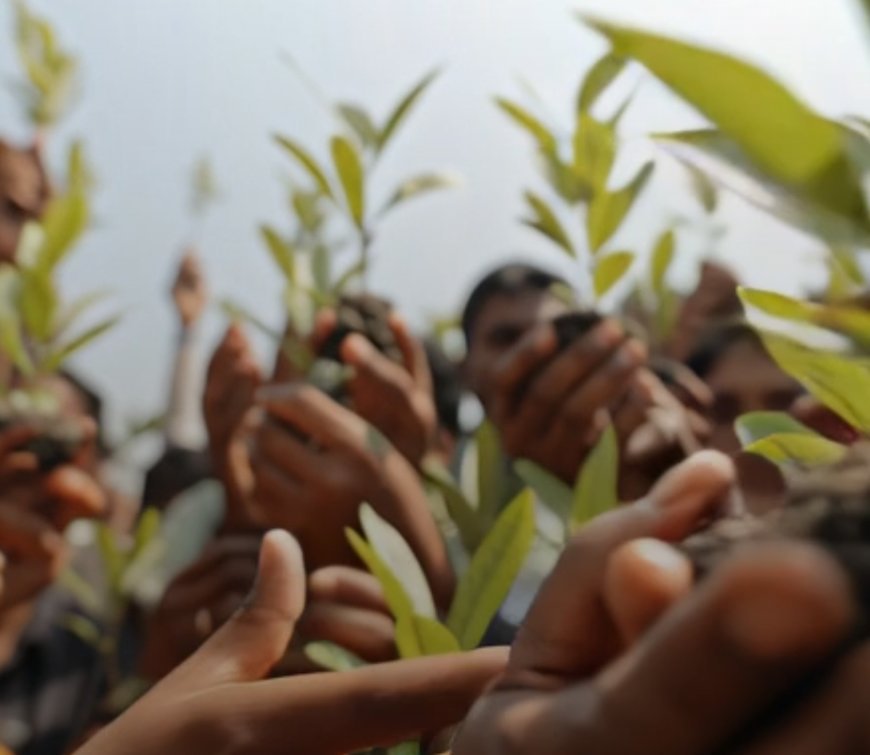


THE REPORT.
NEW DELHI: Long before climate marches and global summits, India’s environmental activism was built on the ground by villagers, women, farmers and adivasis protecting forests, water and livelihoods.Experts point to four foundational movements that each introduced a completely different idea of what protest can look like in India.


. BISHNOI SACRIFICE, 1730 - KHEJARLI, RAJASTHAN:


The world’s first recorded mass environmental protest.
When Maharaja Abhay Singh’s men came to cut *Khejri trees for a new palace, Amrita Devi Bishnoi and 363 people from 84 villages hugged the trees one by one and gave up their lives.That sacrifice is where the phrase "tree hugger"is believed to originate.
The king then declared all Bishnoi villages a protected area a rule that still exists nearly 300 years later.
CHIPKO MOVEMENT, 1970s - CHAMOLI, UTTARAKHAND:
Centuries later, the same tactic was revived.
Led by Sunderlal Bahuguna, Chandi Prasad Bhatt and in Reni village by Gaura Devi and a group of women, villagers stopped commercial loggers by literally embracing the trees.
It was Gandhian, non-violent, and rooted in women’s daily dependence on forests for fuel and fodder.
Impact: Led to a 15-year ban on commercial felling in the Himalayas in 1980 and later the Forest Conservation Act.
APPIKO MOVEMENT, 1983 - UTTARA KANNADA, KARNATAKA:
Inspired directly by Chipko, but in the Western Ghats.
Appiko means "to hug" in Kannada. Led by Panduranga Hegde with youth and women, it began when natural forests were replaced by monoculture timber plantations.Unlike Chipko, Appiko added a second layer: protect, plant, and rational use. It pushed for sustainable forestry, not just stopping felling.
NARMADA BACHAO ANDOLAN, 1985 ONWARDS - NARMADA VALLEY:
This shifted the focus from forests to water and displacement. Led by Medha Patkar, Baba Amte* and adivasi/farmer communities, it questioned Sardar Sarovar and a chain of 30 large dams.Through padyatras, hunger strikes, court cases and testimony at the World Bank, the movement brought the human cost of big dams into national debate.
Impact: Helped push the World Bank to withdraw funding in 1993.
WHAT TIES THEM TOGETHER:
None of these started with big NGOs.
They all began with local people protecting livelihood and ended up changing national policy.From hugging trees to fighting dams, these movements showed protest could be both deeply spiritual and deeply political.
#Environment #India #Bishnoi #Chipko #Appiko #Narmada BachaoAndolan #MedhaPatkar #Sunderlal Bahuguna #Climate #Grassroots