Khamenei Assassination Plot: Leaks, Tracing & Shifted Plans Revealed
A New York Times report exposes the alleged Israeli plot to assassinate Iran's Ayatollah Ali Khamenei, detailing how intelligence on his every move was leaked, his location traced, and why strike plans were changed at the last minute.
 frame and share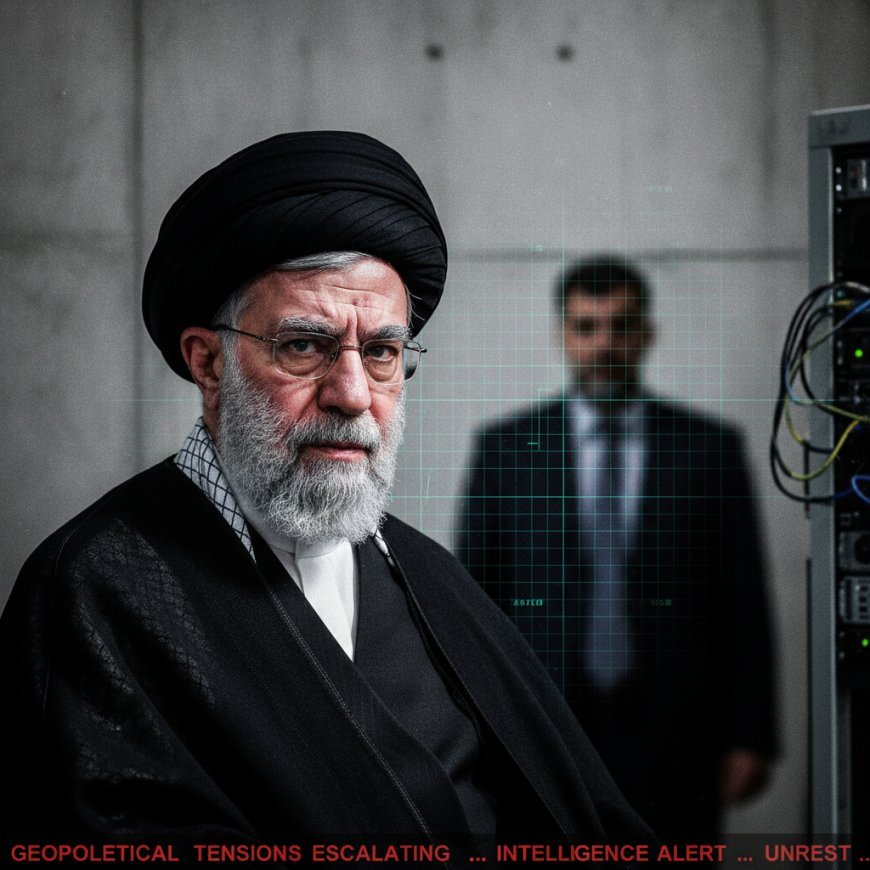


A bombshell report from the New York Times has ripped open the veil of secrecy surrounding an alleged Israeli plot to assassinate Iran's Supreme Leader, Ayatollah Ali Khamenei. The startling revelations detail an operation so intricate, it raises critical questions: Who was feeding Israel information on Khamenei's every breath? How was his location meticulously traced? And what led to a last-minute change of heart in a meticulously planned strike?
The report, which has sent shockwaves through geopolitical circles, paints a picture of unparalleled intelligence penetration. It suggests that Israeli intelligence had access to real-time, granular details of Khamenei's movements and activities. This level of access indicates a deep-seated mole or a sophisticated surveillance operation, providing insights into his daily routines, his whereabouts, and even his health effectively monitoring his 'every breath'.


Tracing Khamenei's location, a formidable challenge given his protected status, appears to have been a critical component of the alleged plot. The New York Times report delves into how this logistical puzzle was solved, enabling Israel to pinpoint his exact position at crucial moments. Such precision would have been vital for any targeted strike, underscoring the advanced capabilities and extensive network at play.


Furthermore, the report uncovers the full details of the proposed attack planning. It reveals that the timing of the strike was predetermined, outlining when and how the operation was meant to unfold. However, one of the most intriguing aspects brought to light is why Israel ultimately changed its mind at the eleventh hour. The intelligence community is now grappling with the question of who made the final decision to alter or postpone the attack, and what factors influenced such a pivotal call after extensive preparations.
The New York Times' exposé promises to ignite further debate and scrutiny into the shadowy world of covert operations and the ongoing tensions between Iran and Israel. It not only highlights the audacity of the alleged plot but also the fragility of security at the highest levels of power, leaving many to ponder the identity of the sources and the true extent of the intelligence breach.