
NRI Sends Money to Parents: Why Documentation Is Crucial to Avoid Tax Trouble
 frame and share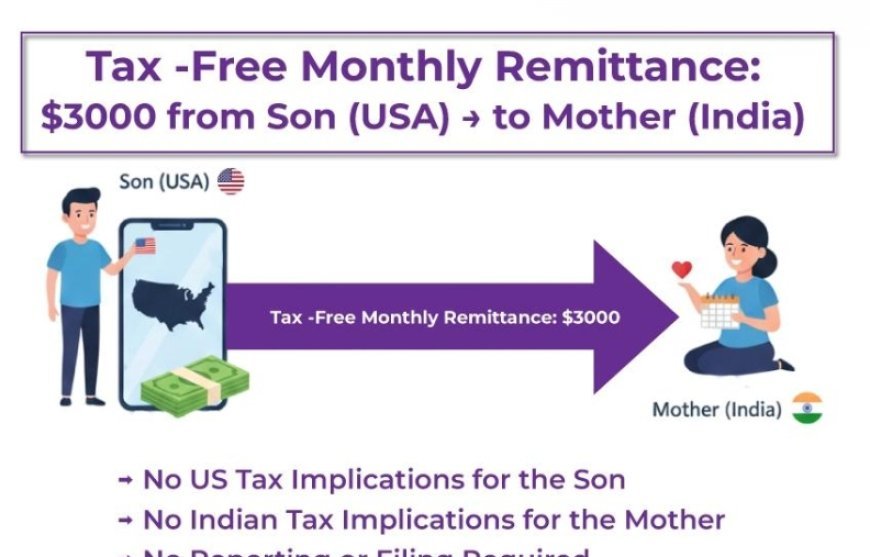


NRI Money Transfers to Parents: When Can You Get an Income Tax Notice?
Sending money to parents in India is common among Non-Resident Indians (NRIs), but large or poorly documented transfers can attract questions from the Income Tax Department.


Many NRIs regularly send money to their parents in India to support household expenses, medical needs, education or other family requirements. While genuine family remittances are generally not taxable merely because money is transferred from abroad, inadequate documentation can create tax complications.


A recent case involving an NRI who transferred ₹11 lakh to his parents highlights the importance of maintaining proper records. The Income Tax Appellate Tribunal eventually accepted bank records showing that the money was a genuine gift/remittance and cancelled the tax dispute.
Under Indian tax rules, gifts received from specified relatives, including parents and children, generally receive an exemption. However, the tax authorities may still seek an explanation regarding the source and nature of a large transaction, particularly when the money is deposited or received without supporting records.
Experts therefore advise NRIs and their families to maintain bank statements, remittance receipts and other documents showing where the money came from and why it was transferred. Proper documentation can help establish that the funds are genuine family support or a gift rather than unexplained income.
The key point is that sending money to parents does not automatically make the transfer taxable. However, maintaining a clear financial trail is important to avoid unnecessary tax notices and prolonged disputes.