US Fuel Prices Rise: Trump Blames Russian Refinery Attacks and California Closures
 frame and share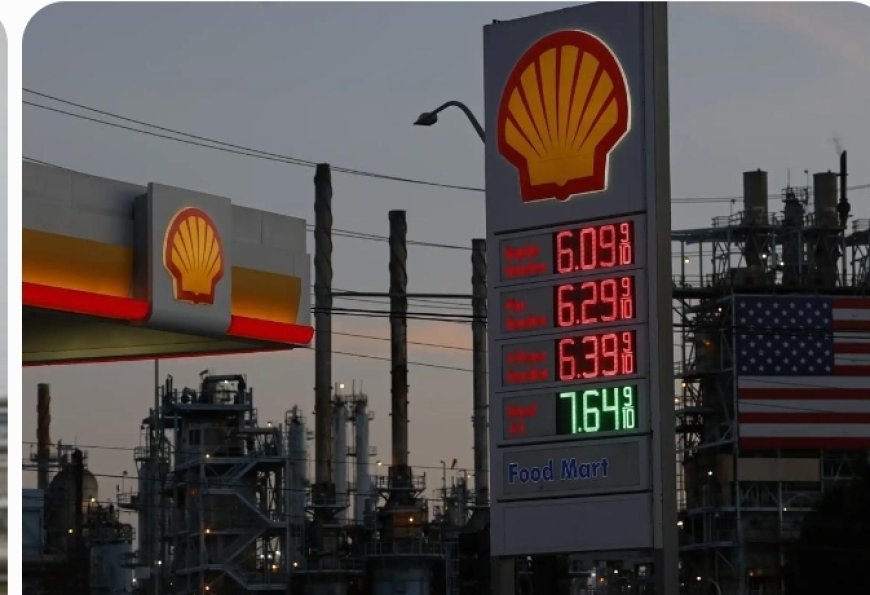


Trump Blames Ukraine, California Refinery Closures for Rising US Petrol Prices
Trump Rejects Strait of Hormuz as Main Cause of Fuel Price Surge


US President Donald Trump has attributed the recent rise in petrol prices to Ukrainian attacks on Russian oil refineries and refinery closures in California, rejecting the view that disruptions around the Strait of Hormuz are the main driver.


In a post on Truth Social on October 5, Trump said that gasoline prices were being pushed higher by problems at refineries. He argued that record volumes of crude oil were now entering the market and therefore claimed that the Strait of Hormuz was no longer the principal factor behind rising prices.
Trump specifically pointed to Ukrainian strikes on Russian energy infrastructure, saying that Russian refineries were being damaged by Ukraine. He also criticised refinery closures in Democratic-led states, particularly California, blaming Democratic policies for contributing to tighter refining capacity.
The comments come amid continued volatility in global energy markets linked to the conflict involving Iran and disruptions around the Strait of Hormuz, a critical oil transit route. Reuters reported that the waterway normally handles roughly one-fifth of global oil supplies and that the conflict has contributed to higher energy prices.
Ukraine's attacks on Russian refineries have also affected fuel supplies. Ukrainian officials have claimed that more than half of Russia's oil-refining capacity has been disabled, although that figure has not been independently verified.
Meanwhile, refinery capacity in California has declined following closures, with S&P Global estimating that the shutdowns reduced the state's refining capacity by about 17 percent.
Trump's remarks have therefore shifted the focus of the US fuel-price debate toward refining capacity, Ukrainian strikes and domestic refinery policy, rather than solely blaming the geopolitical crisis around the Gulf.