Shiv Sena Dispute: Shinde Faction’s Lawyers Present Arguments Before Supreme Court
 frame and share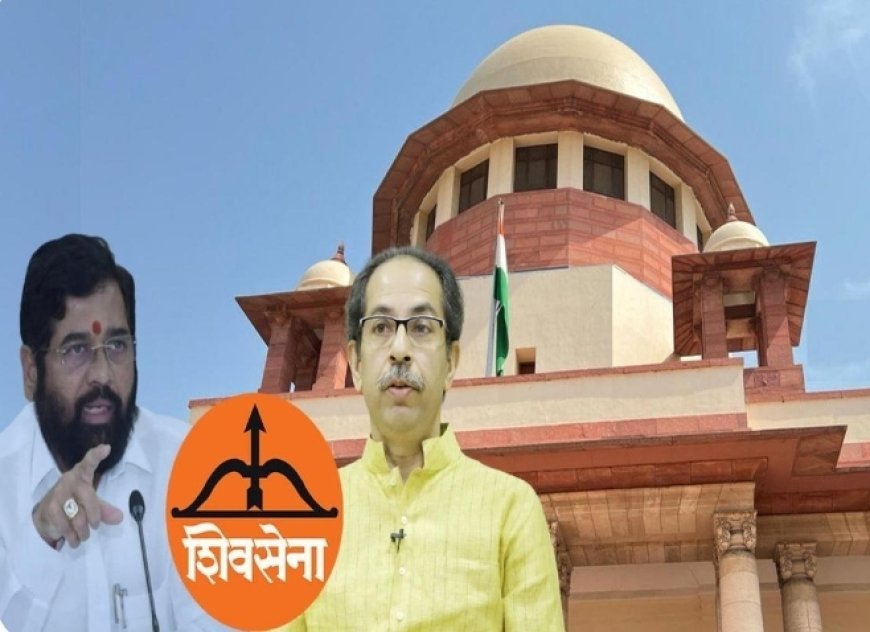


Shiv Sena Name and Symbol Dispute: Supreme Court Hearing Continues Between Uddhav Thackeray and Eknath Shinde Factions
The Supreme Court on Wednesday, September 30, 2026, continued hearing the long-running dispute over the Shiv Sena party name and the ‘bow and arrow’ election symbol, involving the factions led by Uddhav Thackeray and Eknath Shinde. The matter is part of a larger batch of petitions challenging the Election Commission’s decision to recognise the Shinde faction as the official Shiv Sena.
The case was listed for hearing on September 30 after the Supreme Court’s September 24 proceedings directed that the matter be taken up on this date.
Shinde faction’s lawyers to present arguments
During Wednesday’s proceedings, lawyers representing the Eknath Shinde faction were scheduled to advance their arguments before the bench. The case is being heard by a bench headed by Chief Justice of India Surya Kant, along with Justice Joymalya Bagchi and Justice V. Mohana.
The dispute centres on the Election Commission’s February 2023 decision to recognise the Shinde-led faction as the Shiv Sena and allot it the party’s traditional bow-and-arrow symbol. The Uddhav Thackeray faction has challenged that decision before the Supreme Court.
What is the central legal issue?
One of the major questions before the court is how the Election Commission should determine which faction represents the original political party when a recognised party splits.
The Thackeray faction has argued that merely having a numerical majority among elected legislators should not determine control of the political party. It has stressed the importance of the party’s organisational structure, constitution, office-bearers and membership.
The Shinde faction, meanwhile, has defended the Election Commission’s approach, including its reliance on legislative strength. During earlier hearings, the Supreme Court examined whether subsequent political developments and organisational support could be considered while deciding a dispute under Paragraph 15 of the Election Symbols (Reservation and Allotment) Order, 1968.
Supreme Court had questioned ECI's handling of symbol
In September, the Supreme Court also questioned why the Election Commission had not denied the reserved symbol to both rival factions if the applicable tests did not clearly establish which group should receive it. Justice Joymalya Bagchi raised the issue while hearing arguments from the Shinde camp.
The proceedings are significant because the court’s eventual decision could clarify the legal principles governing party splits, legislative majorities, organisational control and allocation of election symbols.
The Supreme Court’s final determination in the Shiv Sena name-and-symbol dispute is still awaited.