Ujjain Mosque Demolition Triggers Debate Over Due Process and Religious Structures
 frame and share


Ujjain Shahi Masjid Demolition Row: Muslim Body Leader Questions Action, Cites Legal Process
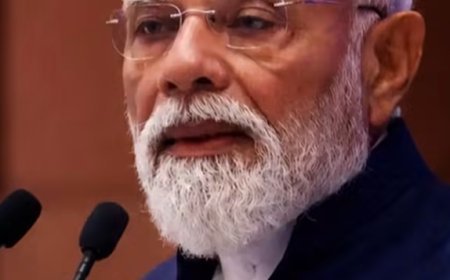
The partial demolition of the Shahi Masjid in Ujjain has triggered a political and legal controversy, with Maulana Shahabuddin Razvi, national president of the All India Muslim Jamaat, questioning the manner in which the action was carried out.


Razvi said the mosque issue was before the court and argued that authorities should follow the required legal process before taking action against a religious structure. He also described the development as a setback to Hindu-Muslim harmony.


The dispute, however, has a significant legal development. The Madhya Pradesh High Court's Indore Bench had earlier allowed the Ujjain Municipal Corporation to proceed with removal of a portion of the mosque as part of a road-widening project linked to preparations for the 2028 Simhastha Kumbh.
On September 28, the High Court disposed of two appeals after the mosque side and the Ujjain Municipal Corporation informed the court that they had reached a settlement. The court said assurances given by the civic body in its response and notices would remain binding.
The controversy centres on a road-widening plan under which portions of structures falling within the proposed alignment are being removed or modified. The mosque's management had challenged the municipal notices, arguing against the proposed demolition.
Tensions escalated at the site on Monday, with clashes between protesters and police after demolition work began. Police used tear gas to disperse the crowd, and several people were detained or booked in connection with the violence.
What does the legal debate involve?
The central issue is due process: whether authorities have complied with applicable laws, notices, hearings, court orders and other procedural safeguards before removing any portion of a religious structure.
In the Ujjain case, the available court record shows that the demolition issue was judicially challenged and the Madhya Pradesh High Court had already passed orders permitting the municipal action, followed by a later settlement between the parties.
Therefore, the question is not simply whether legal procedure should be followed—it is whether the specific statutory and judicial requirements applicable to this case were followed before the action was taken. The competing claims and the implementation of the settlement remain matters of legal and factual scrutiny.