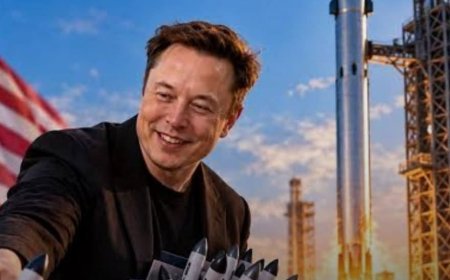
Elon Musk’s Stark Climate Warning: ‘We Have About 50 Years’ to Save Earth
 frame and share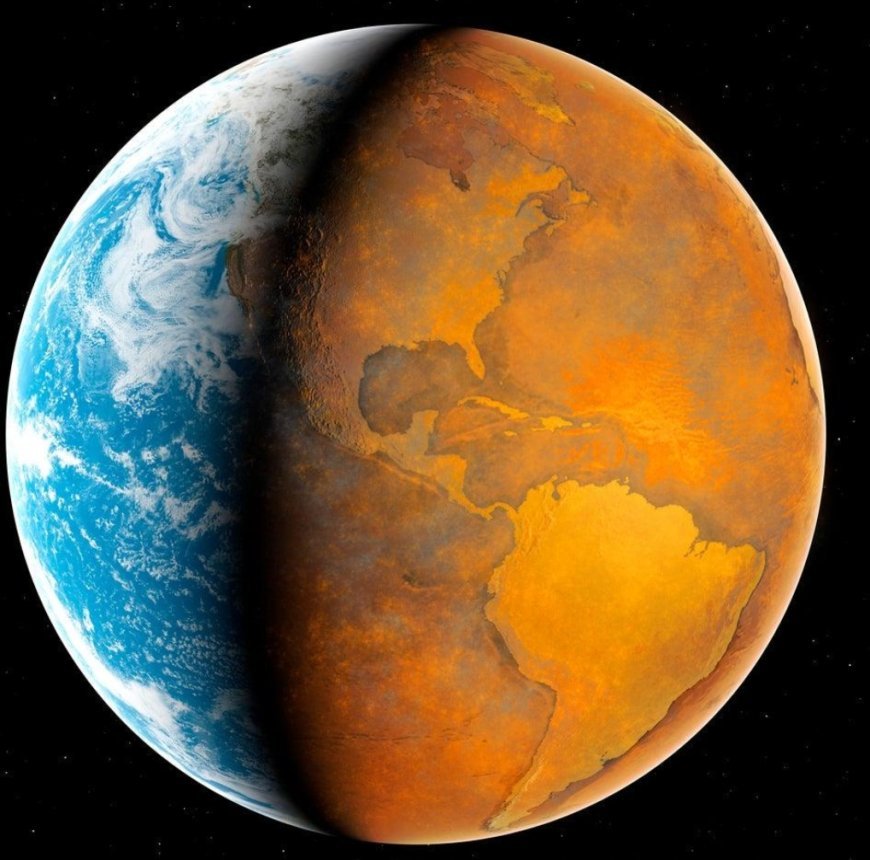


Elon Musk Warns Earth Has ‘About 50 Years’ to Act on Climate Threats
Musk Proposes Space-Based Satellites to Control Earth’s Temperature for Up to 1 Billion Years


Recent natural disasters, including floods in Nepal and earthquakes in Japan and Venezuela, have renewed concerns over the planet’s vulnerability to extreme environmental events. Against this backdrop, Tesla and SpaceX CEO Elon Musk has issued a stark warning about the long-term threats facing Earth.


Musk argued that simply shifting to sustainable energy may not be enough to protect the planet from future climate and extinction risks. In a post on X, he suggested that humanity may eventually need large-scale space-based geoengineering to regulate Earth's temperature.
According to Musk, solar-powered “sentient satellites” positioned at Earth-Sun Lagrange points could one day make extremely precise adjustments to the amount of solar energy reaching Earth. He suggested that such a system could potentially address global warming for as long as one billion years.
Musk said humanity faces a much shorter window if people want to continue living in coastal areas affected by rising temperatures and sea levels. He estimated that there are around 50 years to take action, arguing that this should be sufficient time to develop and deploy space-based systems capable of addressing heat-related threats.
Musk also warned that major extinction events have occurred repeatedly over geological timescales and argued that sustainable energy alone would not be sufficient to prevent every future threat to human civilisation.
His comments come amid renewed debate over climate research and funding in the United States. The Trump administration has faced criticism over changes to federal climate programs, including a decision to stop supporting the annual Arctic Report Card, which tracks environmental changes in the rapidly warming Arctic.
While Musk's proposal represents a highly futuristic approach to climate intervention, space-based solar-radiation management remains a largely theoretical concept and would face enormous technological, economic and environmental challenges.