
From Sikkim to Himachal, India’s Himalayan Valleys Under Rising Flood Threat
 frame and share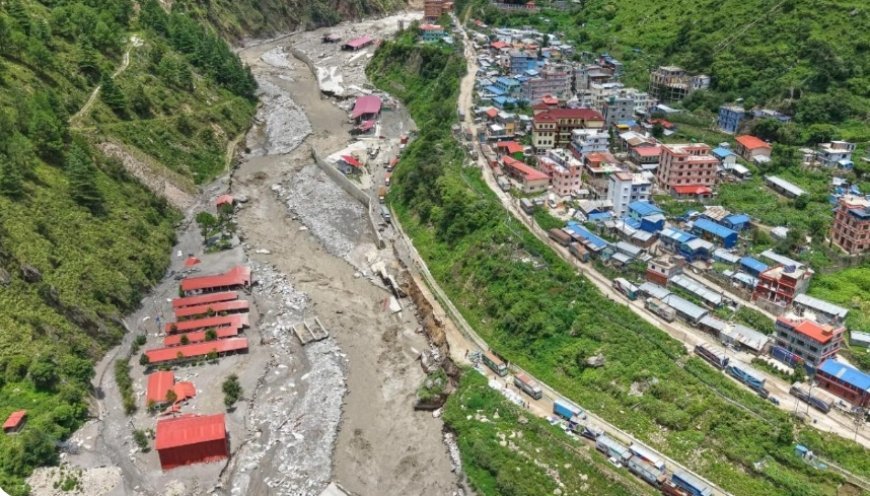


Nepal-Tibet Floods Raise Alarm Over India’s Himalayan Valleys
The catastrophic floods along the Nepal-Tibet border have renewed concerns over the vulnerability of India’s Himalayan valleys. The August 26 disaster was linked to an ice-rock/glacial collapse that sent a powerful surge of water, mud and debris downstream.


India’s most exposed regions include Sikkim, Uttarakhand, Himachal Pradesh and Arunachal Pradesh, where steep terrain, retreating glaciers, glacial lakes, landslides and intense rainfall can combine to produce sudden flash floods. Research has identified particularly significant glacial-lake hazards in Sikkim, while Himachal Pradesh has seen a sharp increase in the number of glacial lakes.


The warning is particularly relevant because India is already monitoring thousands of Himalayan glacial lakes, including dozens classified as very high risk.
What needs to happen? Experts and disaster-management agencies need to strengthen real-time glacier and lake monitoring, expand early-warning systems, map downstream evacuation routes, restrict high-risk construction in flood corridors, and improve coordination across state and international borders. The Himalayan risk cannot be treated as a single-hazard problem: glacier collapse, landslides, natural dams and extreme rainfall can trigger cascading disasters.