Why Are Young People Suffering Sudden Cardiac Events? ICMR Study Identifies Major Risk Factors
 frame and share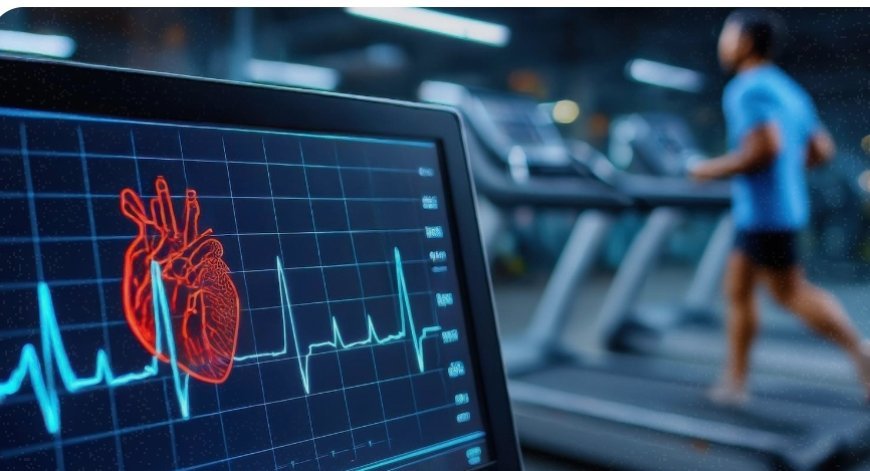


ICMR Study Reveals Key Risk Factors Behind Sudden Cardiac Events in Young Adults
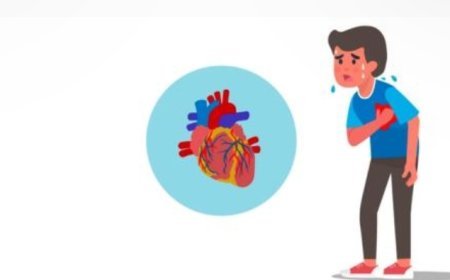
An ICMR study involving 767 young adults has shed light on several factors associated with heart attacks and blood clots among people aged 18 to 45, challenging the perception that sudden cardiac events among young people are always unexplained.


The study, conducted across 25 hospitals, identified a history of blood clotting, pre-existing medical conditions, smoking and a family history of blood clots as important risk factors.


According to the findings, people with a previous history of blood clotting faced a significantly higher risk of heart attack. Pre-existing health conditions and smoking were also associated with increased risk, while a family history of blood clotting emerged as another important warning factor.
The findings are particularly relevant amid growing concerns over reports of young people collapsing during workouts, dancing or other strenuous activities. However, the study does not establish that gym exercise itself causes sudden death. Instead, it highlights the importance of identifying underlying cardiovascular and clotting risks before undertaking intense physical activity.
The research also examined the relationship between COVID-19 and cardiovascular events. Previous hospitalization for COVID-19 was associated with a higher likelihood of blood-clotting events. At the same time, the study found no evidence that COVID-19 vaccination increased the risk of unexplained sudden death among young adults.
Doctors and researchers therefore emphasize the importance of paying attention to warning signs, controlling lifestyle-related risks and seeking medical advice when there is a personal or family history of heart disease or blood-clotting disorders.
For young people planning intense workouts, especially those with known medical conditions or a family history of early cardiac events, appropriate medical evaluation can help identify potential risks.