Greenland Iceberg Collapse: Viral Video Shows Massive Glacier Calving, Sparks Climate Change Alarm.
 frame and share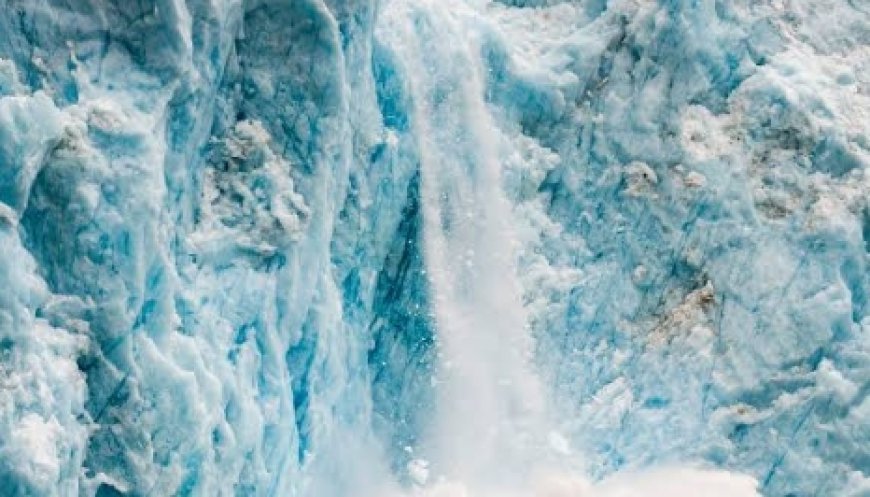


Towering wall of ice crashes into sea, unleashes giant waves; scientists warn of accelerating Arctic melt and rising sea levels.
Nuuk, Greenland:- A dramatic video of a massive iceberg breaking off a Greenland glacier has gone viral, showing thousands of tons of ice collapsing into the ocean and sending enormous waves rolling across the fjord. The footage has reignited global concern over climate change and Arctic ice loss.


The Viral Footage.


What Happened: A towering wall of ice suddenly gave way from a Greenland glacier on June 6, captured by glacier tour operator Diskoline Explorer near Ilulissat. Within seconds, thousands of tons of ice crashed into the water, sending a surge racing outward as stunned onlookers watched from nearby boats.
Tour Operator Reaction: “Maybe the biggest one we have seen on an Icefjord Cruise yet,” wrote Diskoline Explorer. “In situations like this we turn the boat and surf the waves formed by the calving. Might need to hold on for a minute, but no need to worry”.
Why It Matters – The Science Behind Calving.
Natural but Accelerating: Iceberg calving is a natural process where chunks break from glaciers. Greenland’s glaciers produce 15,000 to 30,000 icebergs per year. However, scientists say Greenland’s “big three” glaciers Helheim, Jakobshavn/Ilulissat and Kangerdlussuaq have sped up in recent years due to climate change.
Sea Level Impact: Icebergs falling into the sea contribute to increasing ocean volume and rising sea levels. Global sea levels are creeping up by about 3 millimetres per year, with Greenland melt a particularly strong contributor.
Recent Heatwaves: During a May 2025 heatwave, Greenland’s ice sheet experienced a melt rate 17 times higher than its historical average. More than 10 billion tons of ice was lost to the oceans by surface melt in a single day.
Environmental Warning.
Tsunami Risk: Large calving events can trigger dangerous waves. In 2023, a 25.5 million cubic metre rockslide in Greenland’s Dickson Fjord caused a 200-metre megatsunami, making the entire planet vibrate every 90 seconds for nine days.
Village Threats: In Innaarsuit, a 100-metre high iceberg drifted metres offshore, forcing evacuations over tsunami fears. Locals said it was the biggest iceberg they’d ever seen.
Hidden Melting: Scientists found that falling ice triggers massive underwater waves that mix glacial meltwater with warmer seawater, accelerating melt from below and amplifying glacier collapse.
Experts warn Greenland’s ice sheet holds enough water to dramatically reshape global coastlines. Events like this aren’t isolated they’re part of a larger system responding to rising temperatures and shifting ocean patterns.