Tanushree Dutta Revives #MeToo Controversy After Nana Patekar’s Death; Son Malhar Responds
 frame and share
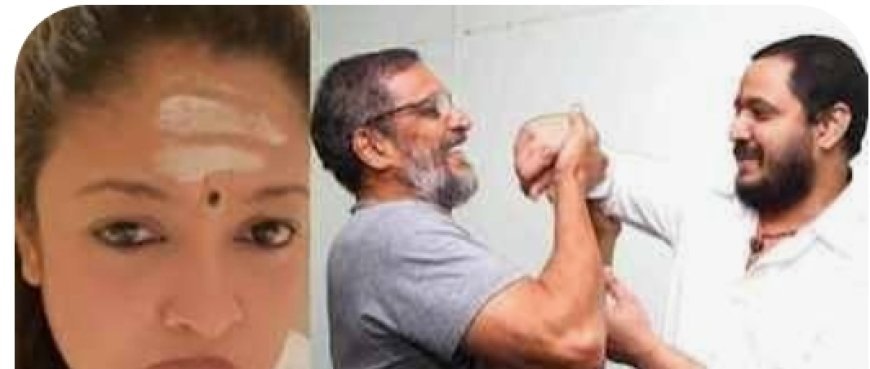


Malhar Patekar Responds to Tanushree Dutta’s Allegations Against Father Nana Patekar
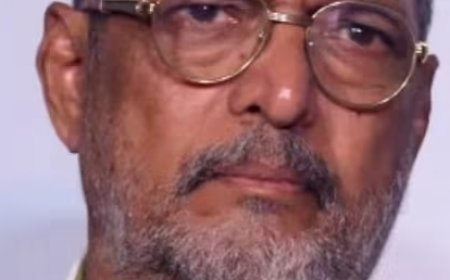
New Delhi: Malhar Patekar, son of veteran Bollywood actor Nana Patekar, has responded to the renewed discussion surrounding the sexual harassment allegations made against his father by actress Tanushree Dutta during India’s #MeToo movement.
According to The Times of India, Malhar addressed the controversy following renewed public attention after Nana Patekar’s reported death on October 8, 2026. Without directly naming Dutta, he maintained that the legal matter had already been concluded and questioned why the issue was being brought up again.
‘The Case Is Already Over,’ Says Malhar
Speaking to Hindustan Times, Malhar reportedly said that the case was already over, suggesting that the matter should not be repeatedly revisited.
His remarks come amid renewed discussion of the allegations that emerged during India’s #MeToo movement, which prompted several women to speak publicly about alleged sexual harassment and misconduct in the workplace.
Background to the #MeToo Controversy
Tanushree Dutta accused Nana Patekar of sexual harassment in connection with the filming of the 2008 movie Horn 'OK' Pleassss. Her allegations became a major talking point in India in 2018, helping bring renewed attention to the #MeToo movement in the Indian film industry.
Nana Patekar denied the allegations. The controversy generated widespread media coverage and discussions about workplace safety, accountability and the treatment of women in the entertainment industry.
Malhar’s latest comments have brought the matter back into public discussion, with renewed attention on the earlier allegations and the legal proceedings associated with them.
The legal status of the case should be confirmed through official records before describing it as conclusively closed. The allegations and the responses to them should be reported with appropriate attribution.