Trump’s Iran War Policy May Have Unintended Nuclear Consequences for South Korea
 frame and share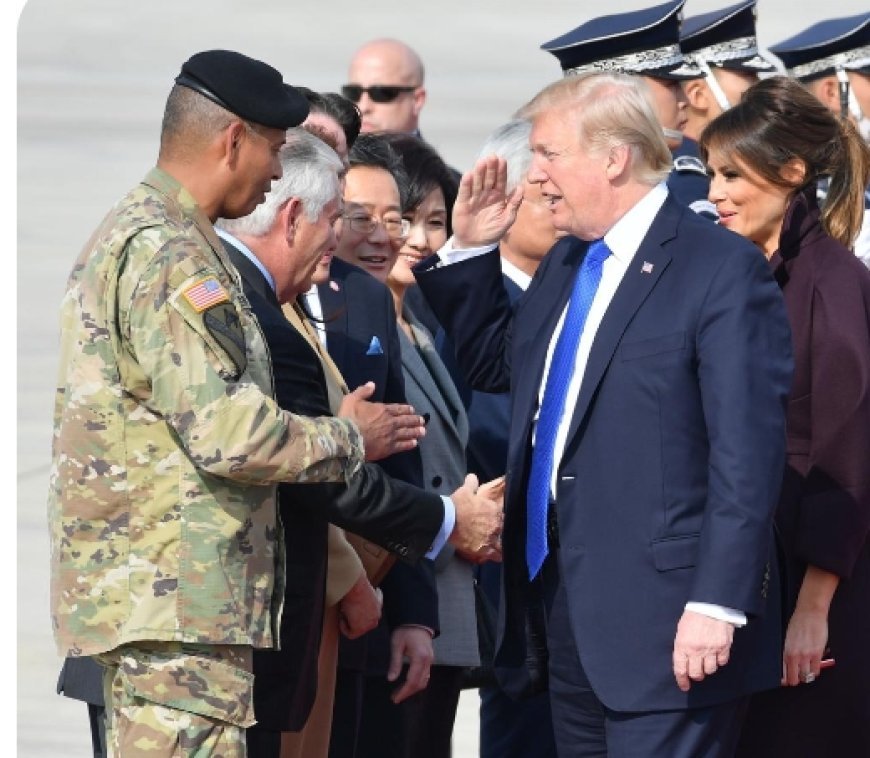


Trump’s Iran Policy Could Push South Korea Towards Nuclear Arms: Growing Security Concerns
US President Donald Trump has repeatedly said that preventing Iran from acquiring nuclear weapons is a key objective of Washington’s military campaign against Tehran. However, critics argue that some of Trump’s policies toward US allies could have the unintended consequence of encouraging nuclear proliferation elsewhere.


South Korea, a close US ally and a signatory to the Treaty on the Non-Proliferation of Nuclear Weapons (NPT), has long relied on the American security umbrella to deter threats from North Korea. But growing uncertainty over Washington’s military commitment could intensify calls within South Korea for developing an independent nuclear deterrent.


According to reports cited by the Eurasian Times, Trump has ordered the Pentagon to reduce joint military exercises with South Korea and has demanded that Seoul contribute significantly more towards the cost of stationing US troops on the Korean Peninsula. Trump has previously pushed for substantially higher payments from allies hosting American forces.
The developments have raised concerns that a perceived weakening of the US-South Korea security partnership could increase Seoul’s sense of vulnerability. With North Korea already possessing nuclear weapons, any reduction in US military support could strengthen arguments among South Korean policymakers and the public for acquiring nuclear capabilities of their own.
The situation presents a potential contradiction for Washington: while the US seeks to prevent countries such as Iran from obtaining nuclear weapons, uncertainty surrounding American security guarantees could encourage some allies to consider nuclear deterrence as a means of protecting themselves.