Popular Painkiller Under Scanner: Can Daily Ibuprofen Affect Fertility?
 frame and share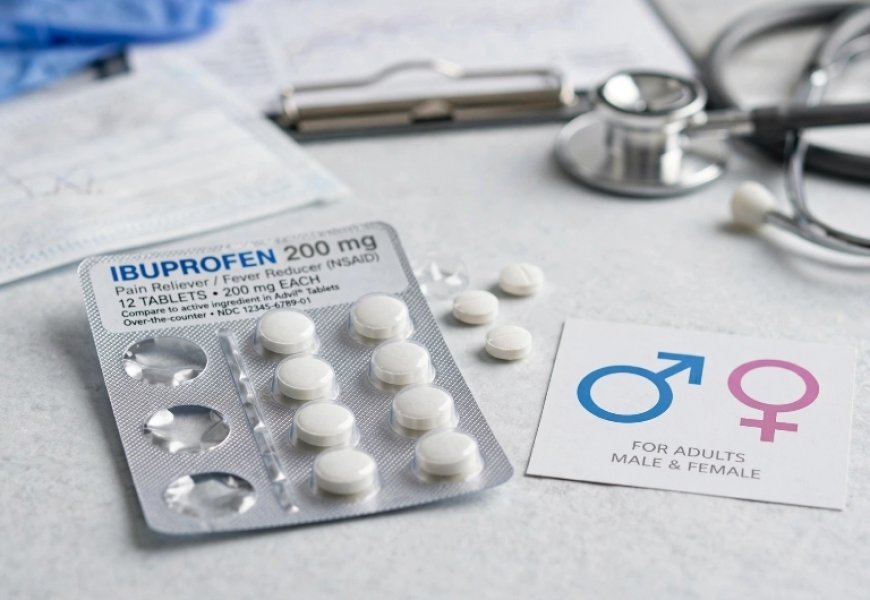


UK's Go-To Pain Relief Linked To Temporary Hormonal Changes In Men And Women
LONDON - Ibuprofen is one of the UK's most commonly used painkillers. Many people take it for weeks or months for back pain, sports injuries or period pain, without considering themselves regular medicine users. But two separate areas of research are raising questions about its effect on reproductive hormones.


WHAT THE STUDIES FOUND:


In Men - Compensated Hypogonadism:
A study published in Proceedings of the National Academy of Sciences tested 31 healthy men aged 18-35. They took 1200mg per day - the maximum recommended dose for 6 weeks.
Within just 14 days, researchers found an increase in luteinizing hormone (LH), which the body uses to regulate testosterone production.
The result was compensated hypogonadism the body had to work harder to keep testosterone levels normal because the testicles were producing less. Testosterone remained stable short-term, but the body was over-stressing to compensate.
Researchers said this condition is usually seen in about 10% of elderly men and is associated with reduced libido, muscle mass and fatigue. The effect was mild and temporary in the study, but they warned it could become permanent with long-term use.
In Women - Ovulation and Progesterone:
A US study the BioCycle Study of 259 healthy premenopausal women - looked at over-the-counter painkiller use. 68% of women reported use, with 45% using ibuprofen.
Follicular phase use was linked to a lower odds of sporadic anovulation (OR 0.36) and higher luteal progesterone, with no major effect on estradiol, LH or FSH.
The authors concluded OTC use is likely not harmful and may even improve ovulatory function.
However, other smaller trials where women took high dose ibuprofen (800mg three times daily) just before ovulation have shown it can temporarily delay or block ovulation, because ovulation depends on COX enzymes and prostaglandins that NSAIDs inhibit.
WHAT EXPERTS SAY:
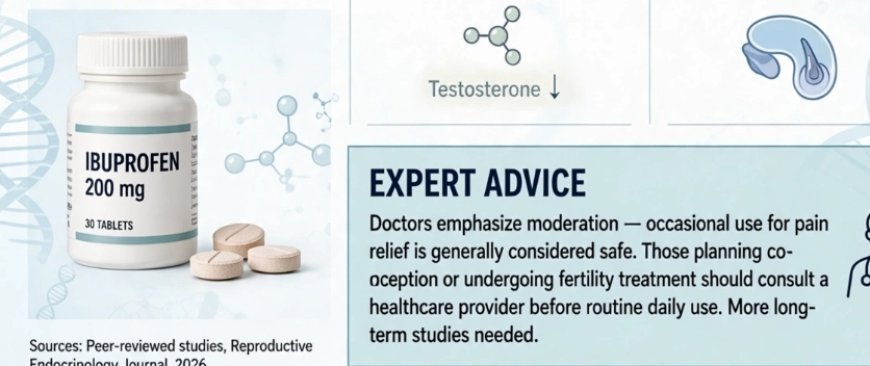
Experts stress the male study was small and used high doses for longer than typically recommended. Occasional use for a headache or short-term pain is not a concern. The concern is for subpopulations who take it daily for months, like high-level athletes.
If you take ibuprofen regularly, especially for a chronic condition, it's worth talking to your pharmacist or GP about the lowest effective dose and duration, and about alternatives.
This is general information only, not medical advice.