Stroke Warning: Every Minute Matters, Seek Emergency Care Immediately
 frame and share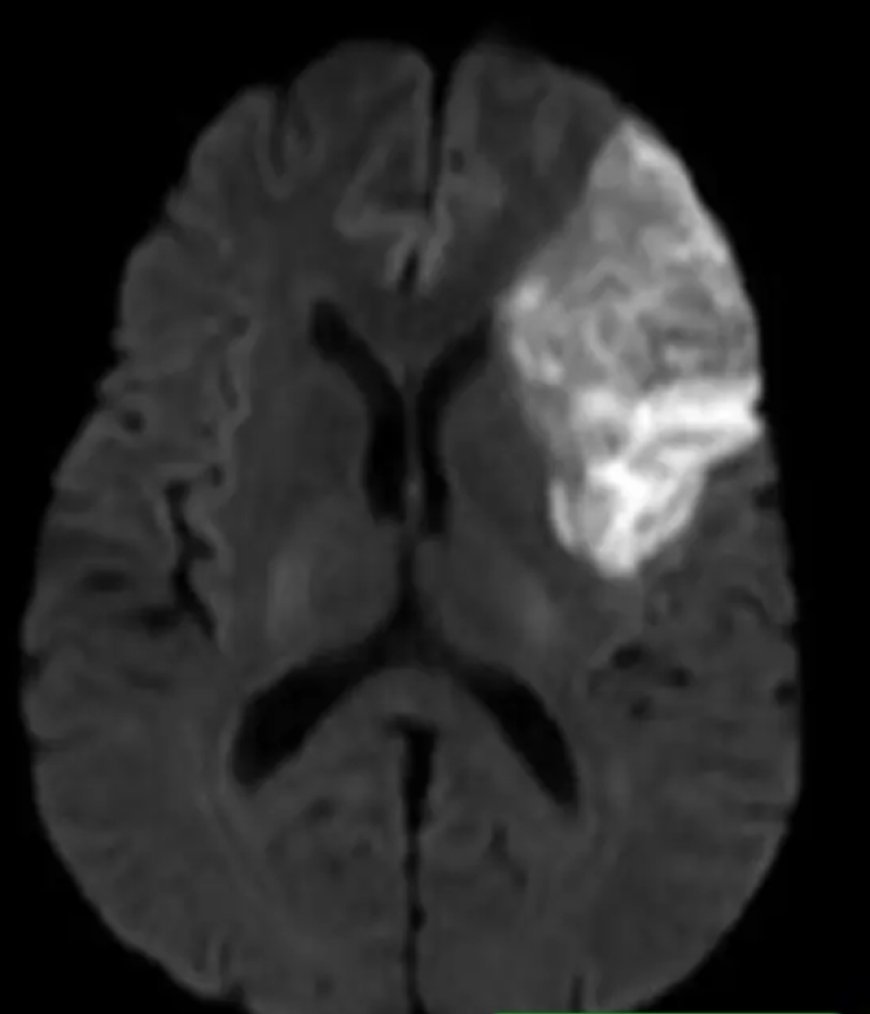


Stroke Emergency: Every Minute Counts as Early Treatment Can Help Reduce Brain Damage
A stroke is a medical emergency that requires immediate medical attention. When blood flow to part of the brain is blocked or a blood vessel in the brain ruptures, brain cells can begin to suffer damage. The faster a person is assessed and, when appropriate, receives treatment, the better the chances of limiting the impact of the stroke.


The period immediately after the onset of symptoms is particularly important. It is often described as the “golden hour”, although the exact treatment window depends on the type of stroke, the time symptoms began, the patient's condition and medical assessment.


Recognise the warning signs
Stroke symptoms often develop suddenly. Key warning signs include:
Sudden weakness or numbness in the face, arm or leg, particularly on one side of the body.
Facial drooping, such as one side of the face appearing uneven when smiling.
Difficulty speaking or understanding speech, including slurred or confused speech.
Sudden loss of balance or coordination, including difficulty walking.
Sudden vision problems in one or both eyes.
In some cases, a sudden, severe headache may occur, particularly with certain types of stroke.
A useful way to remember the major warning signs is FAST: Face drooping, Arm weakness, Speech difficulty and Time to seek emergency medical help.
Do not wait for symptoms to disappear
Even if symptoms improve or disappear after a short period, medical attention is still important. Temporary stroke-like symptoms can be associated with a transient ischemic attack (TIA), which can serve as a warning of a potential future stroke.
People should not attempt to diagnose the condition themselves or wait for symptoms to resolve. Emergency medical evaluation is essential, because doctors need to determine whether the event is caused by a blocked blood vessel or bleeding in the brain before deciding on treatment.
Why timing matters
Some treatments for an ischemic stroke, which is caused by a blood clot blocking blood flow, are most effective when given as quickly as possible and within specific eligibility windows. In selected patients, doctors may also consider procedures to remove a clot from a blocked large blood vessel.
Treatment is different for a hemorrhagic stroke, which occurs when a blood vessel bleeds in or around the brain. This is another reason why urgent medical assessment and brain imaging are necessary.
Act immediately
If someone suddenly develops facial drooping, weakness, speech difficulties, loss of balance or vision problems, seek emergency medical assistance immediately and note the time the symptoms first appeared. This information can be important for doctors when determining appropriate treatment.
The key message in stroke care is simple: “Time is brain.” Recognising symptoms early and getting the patient to appropriate medical care without delay can be critical in reducing the potential consequences of a stroke.