Professor Mukesh Kumar Flags ‘Double Standards’ in Treatment of Muslims, Cites Khan Sir Row.
 frame and share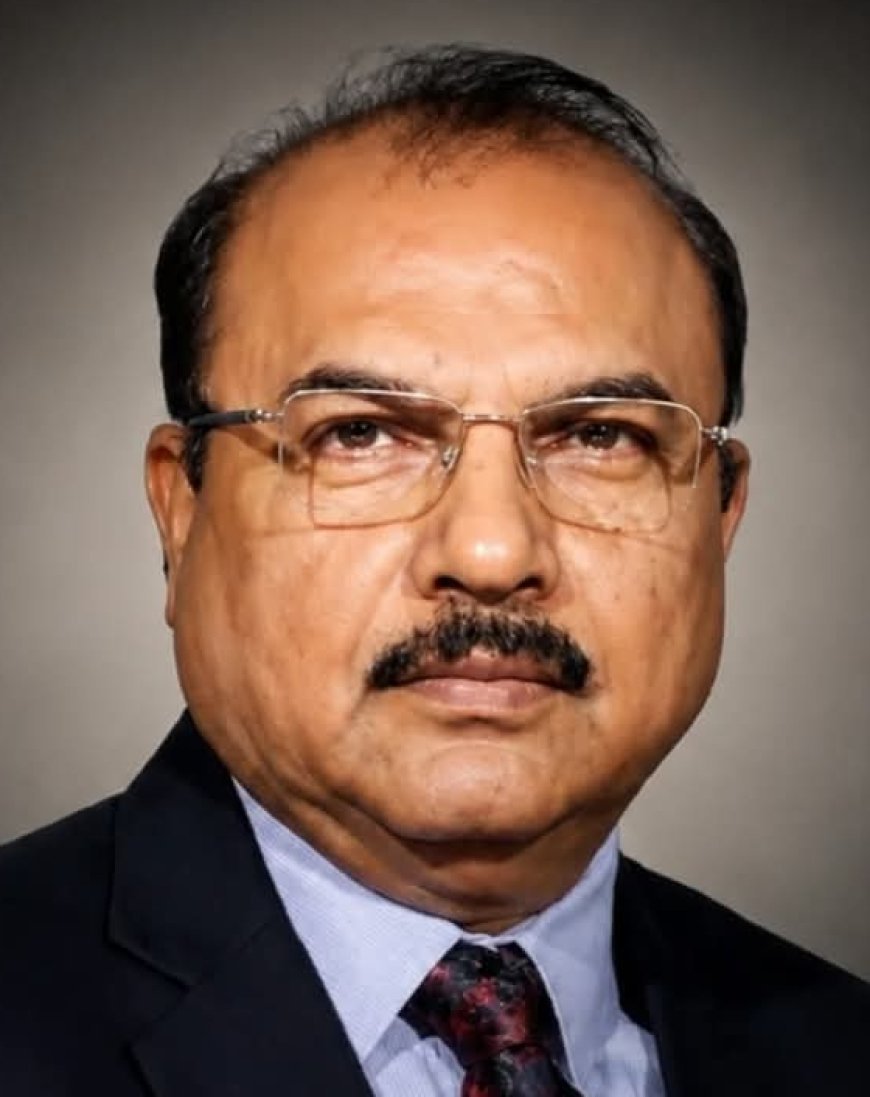


Says minor mistakes draw disproportionate scrutiny; criticises Hindutva politics for marginalising Muslim leadership
New Delhi – Professor Mukesh Kumar has alleged that Muslims in India are often subjected to a different standard of accountability, stating that minor errors can lead to severe consequences including media scrutiny, police action, and public vilification.
Referring to the recent controversy involving educator ‘Khan Sir’, Professor Kumar claimed that sections of the media and political ecosystem were targeting Muslims while overlooking similar actions by others.


‘Different Standard’ Allegation.
According to Professor Kumar, “even a minor mistake by a Muslim can trigger severe consequences,” which he said include “media scrutiny, police action and public vilification.” He argued that this reflects a pattern of differential treatment.
Criticism of Hindutva Politics.
Professor Kumar also criticised Hindutva politics, alleging that attempts were being made to marginalise Muslim social and political leadership. He urged the public “not to view every issue through a communal lens,”calling for a broader perspective on controversies involving public figures.
Khan Sir Controversy.
The comments come amid ongoing debate around educator Faizal Khan, popularly known as ‘Khan Sir’, who has faced criticism from some quarters over remarks and content. Supporters have defended him, while critics have called for action. Professor Kumar cited the episode as an example of what he described as selective targeting.
No Official Response Yet.
There has been no immediate response from government officials or from media organisations referenced in Professor Kumar’s remarks. Political leaders associated with Hindutva groups have previously rejected claims of communal bias, stating that law and enforcement act based on facts, not identity.
The remarks add to a wider public debate on media coverage, law enforcement, and communal representation in India’s public discourse.