Tata Trusts Plans Cross-Subsidy Hospital Model to Help Patients Unable to Afford Treatment
 frame and share
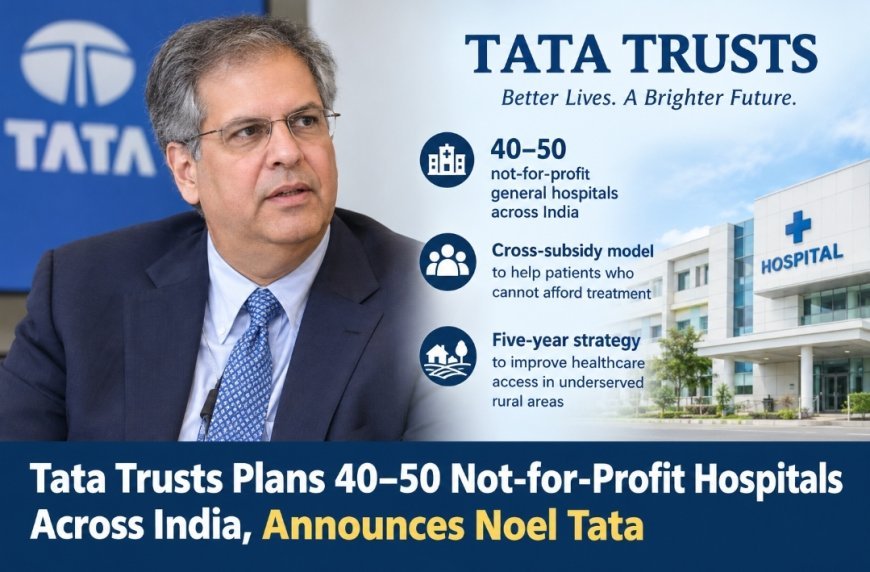


Tata Trusts Plans 40–50 Not-for-Profit Hospitals Across India, Announces Noel Tata
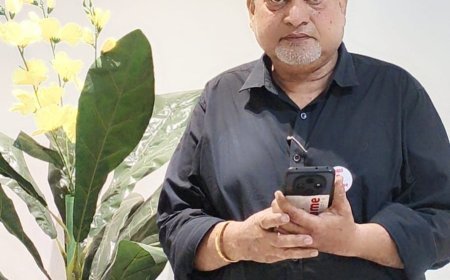
Tata Trusts Chairman Noel Tata has announced plans to establish a network of 40 to 50 not-for-profit general hospitals across India as part of a major initiative to expand access to affordable healthcare.
The proposed initiative aims to make medical treatment more accessible, particularly for people from economically weaker backgrounds and communities in underserved rural areas.


Cross-Subsidy Model to Support Patients
According to the announcement, the hospitals will follow a cross-subsidy model under which patients who can afford to pay for medical services will help subsidise treatment for those who cannot afford the full cost.
The approach is intended to balance financial sustainability with the organisation’s broader philanthropic objectives, allowing hospitals to provide medical care to patients across different income groups.
Five-Year Strategy to Improve Rural Healthcare
Tata Trusts has also outlined a five-year strategy focused on improving healthcare access in underserved rural regions. The initiative seeks to address gaps in medical infrastructure and make essential treatment more accessible to communities that often face difficulties accessing quality healthcare.
The planned hospital network could become a significant component of the Trusts’ efforts to strengthen healthcare delivery and reduce financial barriers to treatment.
Focus on Inclusive Healthcare
The proposed initiative reflects a broader emphasis on inclusive healthcare, with the aim of ensuring that a patient’s financial circumstances do not become an insurmountable obstacle to receiving medical attention.
Further details about the hospitals’ locations, construction timelines, specialties and implementation schedule are yet to be specified in the information provided.
If implemented as planned, the initiative could expand access to affordable medical services and support a more inclusive healthcare system across India.