Prophet Muhammad’s(PBUH )ﷺ Teachings Emphasize Mercy, Justice, and Social Responsibility.
 frame and share


From environmental care to workers’ rights, Islamic tradition highlights ethical living as worship.
Makkah/Madinah – The teachings of Prophet Muhammad (PBUH)ﷺ, recorded in the Quran and Hadith, continue to guide over 1.9 billion Muslims worldwide on matters of faith, ethics, and community life.


Core Message: Worship God Alone.


Central to his message was Tawheed the oneness of God. “Say, He is Allah, One,” states the Quran (112:1). He emphasized prayer, sincerity of intention, and personal accountability: “Actions are judged by intentions”_ (Bukhari).
Character as Foundation of Faith.
Prophet Muhammad (PBUH)ﷺ said, “I was sent only to perfect good character” (Musnad Ahmad). Known as Al-Amin The Trustworthy even before prophethood, he stressed truthfulness, humility, and forgiveness. After the conquest of Makkah, he pardoned former enemies, saying: “Go, you are free.”
“The merciful are shown mercy by the Most Merciful,” he taught (Tirmidhi), extending kindness to children, animals, and strangers alike.
Equality and Social Justice.
In his Farewell Sermon of 632 CE, he declared: “No Arab has superiority over a non-Arab… except by piety.”His teachings prohibited racism, female infanticide, and exploitation. Women were granted rights to inheritance, education, and consent in marriage. “The best of you are those who are best to their women”(Tirmidhi).
He also championed the vulnerable: “I and the one who cares for an orphan will be together in Paradise like this,”holding two fingers together (Bukhari). On labor rights, he instructed: “Pay the worker his wages before his sweat dries”(Ibn Majah).
Environment and Animal Welfare.
His sayings link environmental stewardship to faith. “If the Hour is about to be established and one of you is holding a palm shoot, let him plant it” (Musnad Ahmad). He forbade wasting water, even at a flowing river, and condemned harming animals for sport.
Business Ethics and Peace.
In trade, he tied honesty to piety: “The truthful, trustworthy merchant will be with the prophets” (Tirmidhi). Usury, fraud, and hoarding were prohibited.
While permitting self-defense, his rules of war forbade targeting civilians, women, children, or destroying trees and crops. Treaties were to be honored: “Whoever kills a person under covenant will not smell Paradise” (Bukhari).
Farewell Sermon: A Universal Charter.
His final sermon outlined key principles: sanctity of life and property, racial equality, women’s rights, prohibition of interest, and adherence to the Quran and his example.
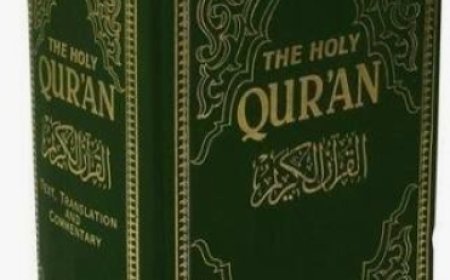
Scholars note that Muslims derive these teachings from two primary sources: the Quran and the Sunnah — the Prophet’s recorded sayings and actions. Interpretations may vary across schools of thought, but the core values of mercy, justice, and responsibility remain central.