Dollar Under Pressure? BRICS Steps Up Push for Local-Currency Trade
 frame and share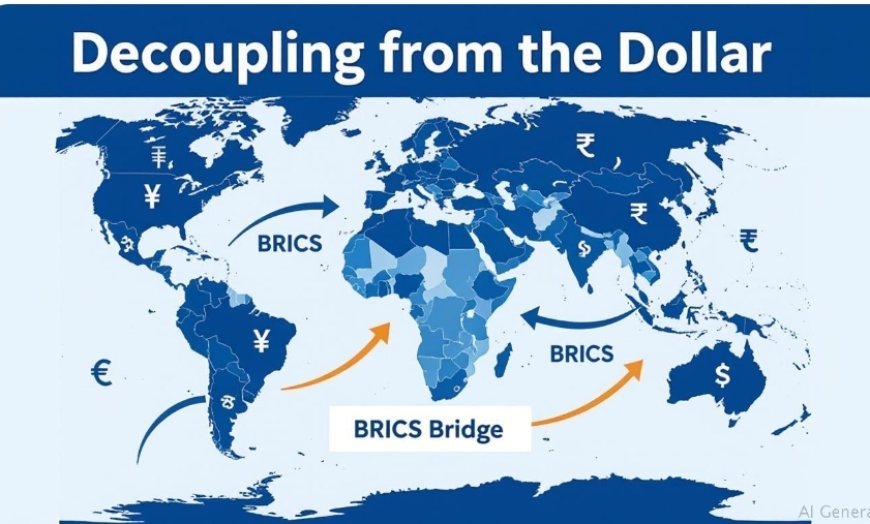


BRICS Pushes to Reduce Dollar Dependence: Who Wins If the US Dollar Loses Dominance?
As BRICS leaders meet in New Delhi, the bloc is stepping up efforts to reduce its dependence on the US dollar and strengthen financial cooperation among member countries.


BRICS nations are promoting greater use of their national currencies in cross-border trade and exploring alternative payment mechanisms to make transactions less dependent on the dollar-dominated global financial system.


The push for de-dollarisation is aimed at building stronger financial links within the bloc and reducing exposure to US monetary policy, sanctions and fluctuations in the dollar.
But a major question remains: who actually benefits if the dollar's global dominance begins to weaken?
BRICS countries could gain greater financial autonomy and lower their reliance on dollar-based transactions. At the same time, a significant decline in global demand for the dollar could challenge the United States' long-standing financial advantages.
However, replacing the dollar's dominant role would be a complex and gradual process. The US currency remains deeply embedded in global trade, financial markets and international reserves.
The BRICS push therefore represents not an immediate end to dollar dominance, but a broader attempt to create a more diversified global financial system.